
Sports Cards as Alternative Investments: A Comprehensive Guide
In an era where traditional investment vehicles like stocks and bonds face increasing volatility, many investors are exploring alternative assets to diversify their portfolios and seek potentially higher returns. One such alternative that has surged in popularity, particularly since 2020, is sports cards as alternative investments. Once considered merely a hobby for enthusiasts, high-grade sports cards featuring legendary athletes are now recognized as tangible assets with significant appreciation potential. This guide will delve into the world of sports card investing, explaining how these collectibles can fit into a modern investment strategy, the risks involved, and how to navigate this unique market.
Sports Cards as Alternative Investments Definition: Investing in sports cards involves purchasing graded or raw collectible cards featuring athletes, with the expectation that their value will appreciate over time due to factors like rarity, condition, player performance, and market demand, thereby serving as a non-traditional asset class.
The Rise of Sports Cards in the Investment Landscape
The sports card market has experienced a dramatic transformation, moving from hobby shops and collector shows to mainstream financial news. This shift is driven by several factors, including increased liquidity through online marketplaces, growing awareness of historical price appreciation, and a general trend towards tangible assets. Understanding this evolution is crucial for any potential investor.
From Childhood Hobby to Serious Asset Class
For decades, sports cards were primarily associated with childhood nostalgia and casual collecting. Kids would rip open packs, trade with friends, and fill binders with their favorite players. The concept of these paper rectangles holding significant financial value was largely confined to a niche community of dedicated collectors. However, the internet and the rise of professional grading services began to change this perception.
The accessibility of information and global marketplaces like eBay transformed how cards were bought and sold. Suddenly, a rare card from a small town could be seen and purchased by a collector anywhere in the world. This increased exposure and liquidity laid the groundwork for cards to be viewed through an investment lens. The COVID-19 pandemic further accelerated this trend, as people sought new ways to invest, collect, and engage with their passions from home. This period saw unprecedented growth, with some cards appreciating by hundreds or even thousands of percent in a short span.
Key Drivers Behind Market Growth
Several interconnected factors have fueled the recent boom in the sports card market, cementing its position as a viable alternative investment. Understanding these drivers helps investors assess future potential and identify opportunities.
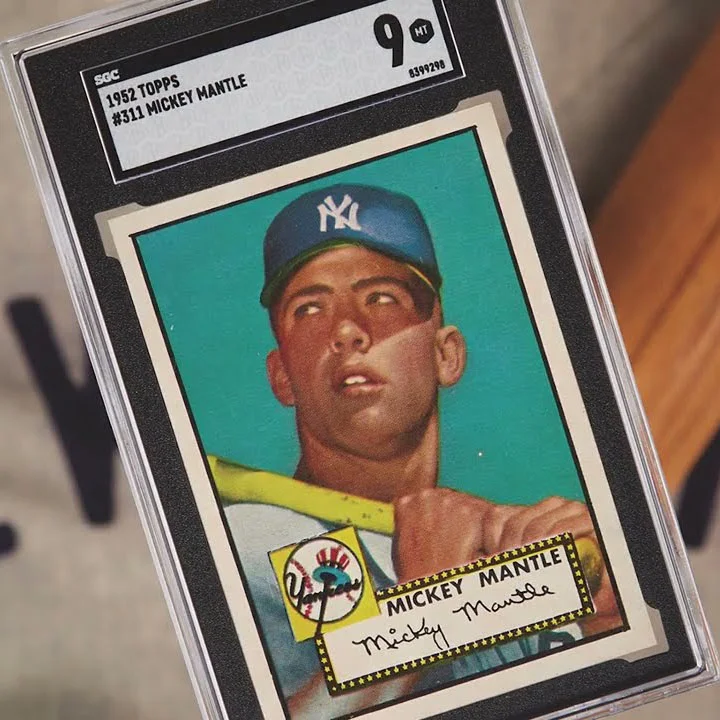
One significant driver is scarcity and rarity. Many of the most valuable cards are from limited print runs, feature iconic players from past eras, or are extremely difficult to find in high condition. For instance, a 1952 Topps Mickey Mantle card in gem-mint condition is incredibly rare, with only a handful known to exist. This inherent scarcity, combined with high demand, drives prices skyward. Another factor is historical performance. Data from platforms like Card Ladder and PWCC shows that certain blue-chip sports cards have outperformed traditional assets like the S&P 500 over various timeframes. This track record, even with its volatility, attracts investors looking for assets with strong growth potential.
The professional grading system has also been instrumental. Companies like PSA (Professional Sports Authenticator), BGS (Beckett Grading Services), and SGC (Sportscard Guaranty Corporation) provide impartial authentication and condition assessment, assigning a numerical grade (typically 1-10). This standardization creates trust and transparency, allowing buyers to confidently assess a card's quality and value without needing to be an expert themselves. A higher grade significantly increases a card's value, making grading a critical step for serious investors. Finally, the cultural significance of sports and athletes plays a role. Legendary figures like Michael Jordan, Tom Brady, and Babe Ruth transcend sports, becoming cultural icons. Their cards tap into a deep well of fandom and nostalgia, ensuring sustained demand beyond pure financial speculation.
Understanding Sports Card Valuation and Grading
Investing in sports cards requires a nuanced understanding of what drives their value. Unlike stocks with clear financial statements, card valuation is a blend of objective criteria and subjective market sentiment. The cornerstone of this valuation is professional grading.
The Importance of Professional Grading
Professional grading is arguably the most critical aspect of sports card investing. It provides an objective, third-party assessment of a card's condition, authenticity, and overall quality. Without grading, valuing a card is highly subjective and prone to disputes.
Grading companies use a standardized 1-10 scale, with 10 being "Gem Mint" – a card with perfect centering, sharp corners, no surface flaws, and pristine edges. A grade of 9 (Mint) is also highly desirable, while lower grades reflect various imperfections. The difference in value between a card graded 9 and one graded 10 can be exponential. For example, a 1986 Fleer Michael Jordan rookie card graded PSA 9 might sell for $10,000, while the same card graded PSA 10 could fetch $100,000 or more. This dramatic price difference underscores why investors prioritize high-grade cards. Authentication is another vital service provided by graders; they verify that a card is genuine and not a counterfeit, a growing concern in the high-value segment of the market.
Key Factors Influencing Card Value
Beyond the numerical grade, several other factors contribute to a sports card's market value. Investors must consider these elements collectively to make informed decisions.
- Player Popularity and Legacy: The most valuable cards feature iconic athletes with established legacies. A player's career achievements, cultural impact, and enduring popularity directly correlate with their card values. Rookie cards of Hall of Fame players are often the most sought-after.
- Rarity and Scarcity: Limited print runs, short prints, serial-numbered cards (e.g., #/100), and cards with unique variations (like autographed or patch cards) are inherently rarer and thus more valuable. The fewer copies available, especially in high grades, the higher the price tends to be.
- Condition (Grade): As discussed, condition is paramount. Even a slight imperfection can drastically reduce a card's grade and, consequently, its value. Centering, corners, edges, and surface are the four main criteria graders assess.
- Set and Year: Certain card sets are more iconic or desirable than others. Vintage sets from the 1950s and 60s (e.g., 1952 Topps) are highly prized, as are specific modern sets known for their design or scarcity. Rookie cards from a player's first major set are almost always the most valuable.
- Subgrades and Eye Appeal: Some grading companies (like BGS) offer subgrades for centering, corners, edges, and surface. A card with strong subgrades, even if its overall grade isn't a perfect 10, can command a premium. "Eye appeal" refers to how visually appealing a card is, which can sometimes influence its market price beyond its technical grade.
- Market Trends and Hype: The market can be influenced by current events, player performance, and even social media trends. A player having a breakout season or winning a championship can temporarily boost their card values. However, investors should be wary of chasing short-term hype.
Understanding the Grading Scale
The grading scale is standardized across the industry, though each company has its nuances. Here's a general overview:
| Grade | Description | Key Characteristics |
|---|---|---|
| 10 | Gem Mint | Perfect centering, sharp corners, no surface flaws, pristine edges. |
| 9 | Mint | Near-perfect, very minor flaws detectable only under close inspection. |
| 8 | Near Mint-Mint | Slight imperfections, perhaps minor corner wear or slight off-centering. |
| 7 | Near Mint | Minor wear on corners, edges, or surface; still visually appealing. |
| 6 | Excellent-Mint | Noticeable wear, light creasing, or more significant off-centering. |
| 5 | Excellent | Moderate wear, creasing, or surface issues; still collectible. |
| 4 | Very Good-Excellent | Significant wear, multiple creases, rounded corners. |
| 3 | Very Good | Heavy wear, prominent creases, major corner rounding. |
| 2 | Good | Major flaws, heavy creasing, paper loss, or significant damage. |
| 1 | Poor/Authentic | Severely damaged, may have missing pieces, or be altered. "Authentic" means genuine but too damaged to grade numerically. |
Investors primarily target cards graded 8 or higher, with 9s and 10s being the most sought-after for their investment potential.
Building a Sports Card Investment Portfolio
Approaching sports card investing strategically is essential for long-term success. It involves careful research, diversification, and a clear understanding of your investment goals. Treating it like any other asset class will yield better results than treating it as a speculative gamble.
Research and Due Diligence
Before purchasing any card, thorough research is paramount. This goes beyond simply identifying a popular player. Investors need to delve into specific card issues, population reports, and historical sales data.
- Player Research: Focus on established Hall of Famers or rising stars with high potential. For active players, consider their career trajectory, injury history, and market sentiment. Rookies are often speculative but can offer significant upside.
- Card Specifics: Understand the specific card you're targeting. Is it a true rookie card, an insert, or a parallel? What year is it from? What set? These details significantly impact value.
- Population Reports: Check population reports from grading companies (PSA, BGS, SGC). These reports show how many copies of a specific card exist at each grade level. A low population count for a high-grade card indicates rarity and higher potential value. For example, if only 50 copies of a specific card exist in PSA 10, it's far rarer than a card with 5,000 PSA 10 copies.
- Sales Data: Utilize platforms like eBay's "sold listings," Card Ladder, and PWCC's auction archives to track historical sales prices. This data provides insights into market demand and price trends for specific cards and grades. Card Ladder, for instance, offers detailed price charts and market indices for thousands of cards, allowing investors to track performance over time.
- Marketplace Research: Understand where to buy and sell. Major auction houses (Heritage Auctions, Goldin Auctions), online marketplaces (eBay, MySlabs), and fractional ownership platforms (Collectable, Rally) all have different fees, audiences, and types of inventory.
Diversification Strategies
Just like traditional portfolios, a diversified sports card portfolio can mitigate risk and enhance returns. Don't put all your eggs in one basket, even if that basket holds a legendary player.
- Diversify by Player: Instead of owning 10 cards of one player, consider owning 2-3 cards each of 3-5 different blue-chip players across various sports. This protects against a single player's performance or market sentiment negatively impacting your entire portfolio.
- Diversify by Sport: While basketball and baseball often dominate the high-end market, consider cards from football, soccer, hockey, or even non-sports categories. Different sports have different market cycles and fan bases.
- Diversify by Era: A mix of vintage (pre-1980), modern (1980-2000), and ultra-modern (2000-present) cards can balance stability with growth potential. Vintage cards often have established value and scarcity, while ultra-modern cards can offer rapid appreciation but also higher volatility.
- Diversify by Grade: While high grades (PSA 9s and 10s) are generally preferred, selectively acquiring lower-grade, iconic cards (e.g., a PSA 3 of a rare Babe Ruth card) can still be a valuable investment, especially if the higher-grade versions are prohibitively expensive. These lower-grade iconic cards often have a strong floor value.
- Fractional Ownership: For extremely high-value cards, fractional ownership platforms allow investors to buy shares of a single card, similar to buying shares of a company. This enables diversification into ultra-rare assets with smaller capital outlays. Platforms like Collectable and Rally have made this possible, allowing investors to own a piece of a million-dollar card for a few hundred dollars.
Understanding Market Cycles and Trends
The sports card market, like any other, experiences cycles and trends. Recognizing these can help investors buy low and sell high.
- Player Performance: A player's performance directly impacts their card values. A hot streak, a championship win, or a major award can cause prices to spike. Conversely, injuries or poor performance can lead to dips.
- Rookie Hype: Rookie cards of highly touted prospects often surge before their professional debut or during their first strong season. This can be a high-risk, high-reward area.
- Anniversaries and Milestones: Major anniversaries of iconic moments or players (e.g., 50 years since a championship) can generate renewed interest and drive up card values.
- Economic Factors: Broader economic conditions can influence discretionary spending on collectibles. During economic downturns, luxury items like high-end cards might see price corrections.
- Liquidity Events: Large collections coming to market can sometimes temporarily depress prices for specific cards if supply suddenly increases.
Risks and Challenges of Sports Card Investing
While sports cards offer exciting investment opportunities, they are not without risks. Investors must be aware of the potential pitfalls and challenges inherent in this alternative asset class.
Market Volatility and Illiquidity
Unlike publicly traded stocks, the sports card market can be highly volatile and, at times, illiquid, especially for ultra-high-end pieces.
- Price Swings: Card values can fluctuate dramatically based on player performance, market sentiment, and broader economic conditions. A star player's injury or a scandal can cause a significant drop in their card values overnight. The overall market can also experience boom-and-bust cycles, as seen with the post-COVID-19 market correction in late 2021 and early 2022.
- Illiquidity: Selling a high-value card might take time. Finding the right buyer at the desired price can be challenging, especially for niche items. Auction house consignment processes can take weeks or months, and private sales require networking. This contrasts with stocks, which can be sold instantly on an exchange. Investors should not expect to quickly liquidate their sports card assets in an emergency.
- Niche Market: While growing, the sports card market is still relatively niche compared to traditional financial markets. This means fewer buyers and sellers, which can exacerbate volatility and illiquidity.
Storage, Insurance, and Authenticity Concerns
Physical assets come with unique challenges related to their care, protection, and verification.
- Storage: Proper storage is crucial to maintain a card's condition. Cards need to be protected from light, humidity, temperature fluctuations, and physical damage. This often involves specialized storage solutions like secure vaults, acid-free sleeves, and top-loaders or graded slabs. Improper storage can lead to degradation, reducing value.
- Insurance: High-value cards should be insured against theft, damage, or loss. Standard homeowner's insurance policies may not cover high-value collectibles, requiring specialized coverage. The cost of insurance can eat into potential returns.
- Authenticity and Counterfeits: The rise in card values has unfortunately led to an increase in counterfeiting and card doctoring (altering a card to improve its grade). While professional grading mitigates this risk, investors must be vigilant when buying raw cards or from unverified sources. Always buy graded cards from reputable dealers or auction houses.
Grading Standards and Fees
The grading process itself presents challenges and costs that investors must consider.
- Subjectivity in Grading: While grading companies strive for objectivity, there can be slight variations between graders or even within the same company over time. A card submitted twice might receive slightly different grades, impacting its value.
- Grading Fees and Turnaround Times: Submitting cards for professional grading incurs fees, which can range from $15 to several hundred dollars per card, depending on the declared value and desired turnaround time. Expedited services are significantly more expensive. Turnaround times can also be lengthy, sometimes extending to several months or even over a year during peak demand, tying up capital.
- "Cracking Slabs": Some investors "crack" open graded slabs to resubmit a card to a different company or hope for a higher grade from the same company. This is a risky endeavor that can damage the card and invalidate its previous grade.
Integrating Sports Cards into a Diversified Portfolio
For sophisticated investors, sports cards can serve as a valuable component of a broader, diversified investment portfolio. They offer unique characteristics that can complement traditional assets.
Correlation with Traditional Assets
One of the primary appeals of alternative investments like sports cards is their potential for low correlation with traditional financial markets.
- Diversification Benefits: When the stock market experiences a downturn, sports card values may not necessarily follow suit. Their value drivers are often distinct, tied more to cultural relevance, scarcity, and collector demand than corporate earnings or interest rates. This low correlation can help reduce overall portfolio volatility and improve risk-adjusted returns. For example, during the market downturn of early 2020, many sports card values surged as people sought alternative investments and hobbies.
- Inflation Hedge: Tangible assets like sports cards, real estate, and precious metals can sometimes act as a hedge against inflation. As the cost of goods and services rises, the value of physical assets, particularly scarce ones, may also increase, preserving purchasing power. This is not guaranteed, but it's a potential benefit.
Strategic Allocation and Exit Strategies
Treating sports cards as a serious investment requires a strategic approach to portfolio allocation and clear exit strategies.
- Portfolio Allocation: Financial advisors typically recommend allocating a small percentage of a total investment portfolio to alternative assets – often 5% to 15%. This percentage should be carefully considered based on an individual's risk tolerance, financial goals, and liquidity needs. It's crucial not to over-allocate to such a volatile and illiquid asset class.
- Long-Term vs. Short-Term: While some investors chase short-term gains, the most successful sports card investors often adopt a long-term "buy and hold" strategy, similar to investing in blue-chip stocks. Identifying iconic cards of legendary players and holding them for years or decades allows for compounding appreciation and weathering market fluctuations.
- Exit Strategies: Before buying, consider how you plan to sell. Will you use a major auction house for high-value items, an online marketplace for mid-tier cards, or a private sale? Each option has different fees, timelines, and target audiences. Understanding these channels beforehand ensures a smoother liquidation process when the time comes.
- Tax Implications: Be aware of the tax implications. In many jurisdictions, collectibles are taxed differently than stocks, often at higher capital gains rates. Consult a tax professional to understand how sales of sports cards will impact your tax liability. As of 2026, long-term capital gains on collectibles in the U.S. are generally taxed at a maximum rate of 28%, which is higher than the typical long-term capital gains rates for stocks.
Consulting a Financial Advisor
Given the unique nature of sports card investing, consulting a qualified financial advisor is highly recommended, especially one with experience in alternative assets.
- Risk Assessment: An advisor can help you assess your personal risk tolerance and determine an appropriate allocation to sports cards within your overall financial plan.
- Portfolio Integration: They can guide you on how to integrate this asset class into your existing portfolio, ensuring it aligns with your long-term goals and diversification strategy.
- Tax Planning: Advisors can provide crucial insights into the tax implications of buying, holding, and selling collectibles, helping you optimize your tax strategy.
- Expert Network: Some advisors may have connections to reputable dealers, appraisers, or auction houses, providing valuable resources for your investment journey.
Practical Steps for Getting Started
Ready to explore sports cards as an investment? Here's a practical guide to help you begin your journey, focusing on smart, informed decisions.
1. Education and Research
Before spending any money, immerse yourself in the world of sports cards.
- Read Books and Articles: Learn about the history of the hobby, key players, iconic sets, and market dynamics.
- Follow Industry News: Stay updated on player performance, market trends, and grading company announcements.
- Join Online Communities: Engage with forums, social media groups, and Discord servers dedicated to sports card investing. Learn from experienced collectors and investors.
- Understand Grading: Familiarize yourself with the grading scales of PSA, BGS, and SGC. Look at examples of cards at different grades to train your eye.
2. Set a Budget and Investment Goals
Define how much capital you are willing to allocate to sports cards, ensuring it's an amount you can afford to lose without impacting your financial stability.
- Determine Allocation: Decide on a specific percentage of your overall investment portfolio you're comfortable dedicating to alternative assets like cards (e.g., 5-10%).
- Define Goals: Are you looking for long-term appreciation, short-term flips, or a blend of both? Your goals will dictate your buying strategy.
- Consider Costs: Factor in potential costs for grading, insurance, and secure storage.
3. Focus on Blue-Chip Assets
For beginners, starting with established, high-demand cards is generally safer than speculating on unproven players.
- Iconic Players: Target rookie cards of Hall of Fame athletes from major sports (e.g., Michael Jordan, Tom Brady, Wayne Gretzky, Babe Ruth, Willie Mays). These cards have a proven track record of value retention and appreciation.
- High Grades: Prioritize cards graded 8, 9, or 10 by reputable companies (PSA, BGS, SGC). The higher the grade, the lower the population, and generally, the stronger the investment.
- Rookie Cards: Rookie cards are almost always the most desirable and valuable cards for any given player.
4. Utilize Reputable Marketplaces and Resources
Where you buy and sell matters significantly for authenticity and fair pricing.
- Online Auctions: eBay (for a wide range), Goldin Auctions, Heritage Auctions, PWCC Marketplace (for high-end items) are leading platforms. Always check seller ratings and authenticity guarantees.
- Online Marketplaces: MySlabs offers a direct-to-collector platform with lower fees.
- Fractional Ownership Platforms: Collectable, Rally, and Alt allow you to invest in shares of ultra-high-value cards.
- Local Card Shops (LCS): While less common for investment-grade cards, some LCS can be good sources for raw cards to be graded or for networking.
- Price Tracking Tools: Use Card Ladder, PSA's Auction Prices Realized, and eBay's "sold listings" to research current market values before making a purchase.
5. Proper Storage and Insurance
Protecting your investment is non-negotiable.
- Secure Storage: Keep graded cards in a secure, climate-controlled environment, away from direct sunlight and extreme temperatures. Consider a home safe or a third-party vault service for very high-value items.
- Insurance: Obtain specialized collectibles insurance. Document your collection with photos and purchase receipts.
6. Monitor and Rebalance
Like any investment, sports card portfolios require ongoing attention.
- Track Performance: Regularly monitor the market values of your cards using price tracking tools.
- Stay Informed: Keep up with player news, market trends, and industry developments.
- Rebalance: Periodically review your portfolio. If certain cards have appreciated significantly, you might consider selling a portion to realize gains or reallocate to other opportunities.
Frequently Asked Questions
What is the best way to start investing in sports cards?
The best way to start is by educating yourself thoroughly on grading, player legacies, and market trends. Begin with a small budget, focus on blue-chip rookie cards of Hall of Fame players in high grades (PSA 9 or 10), and purchase from reputable sources like major auction houses or established online marketplaces.
How much should I invest in sports cards?
Financial advisors generally recommend allocating a small percentage, typically 5% to 15%, of your total investment portfolio to alternative assets like sports cards. This should be discretionary capital that you are comfortable potentially losing, as the market can be volatile.
Are sports cards a good investment for 2026?
As of 2026, sports cards continue to be a viable alternative investment, especially for long-term growth and diversification. While the market saw a correction after its 2020-2021 boom, blue-chip cards of iconic players in high grades have historically demonstrated strong appreciation. However, like any investment, future performance is not guaranteed and depends on market demand, player legacy, and economic conditions.
What are the biggest risks of investing in sports cards?
The biggest risks include market volatility and illiquidity, the potential for counterfeits or altered cards, the subjectivity and cost of professional grading, and the need for proper storage and insurance. Player performance and career trajectory can also significantly impact card values.
Which sports cards are the best to invest in?
The best sports cards to invest in are generally rookie cards of Hall of Fame-caliber players from major sports (baseball, basketball, football, soccer) in high grades (PSA 9 or 10). Examples include cards of Michael Jordan, Tom Brady, LeBron James, Babe Ruth, and Mickey Mantle. Rarity, condition, and player legacy are key drivers of long-term value.
How do I know if a sports card is authentic?
To ensure authenticity, always purchase professionally graded cards from reputable grading companies like PSA, BGS, or SGC. These companies authenticate the card as part of their grading process. When buying raw (ungraded) cards, exercise extreme caution and only buy from trusted dealers with strong reputations.
What is "fractional ownership" in sports cards?
Fractional ownership allows investors to buy shares of extremely high-value sports cards, similar to buying stock in a company. Platforms like Collectable and Rally acquire iconic cards and then offer equity shares to multiple investors, making ultra-rare assets accessible to those with smaller capital.
Key Takeaways
- Sports cards have evolved into a legitimate alternative investment: They offer diversification and potential for significant returns beyond traditional assets.
- Professional grading is paramount for valuation: Grades from PSA, BGS, and SGC establish authenticity and condition, critically impacting a card's market value.
- Research and due diligence are essential: Understand player legacies, card specifics, population reports, and historical sales data before investing.
- Diversification mitigates risk: Spread investments across different players, sports, eras, and grades to build a resilient portfolio.
- Be aware of inherent risks: Market volatility, illiquidity, authenticity concerns, and storage requirements are significant challenges.
- Treat cards as a long-term investment: Focus on blue-chip assets and be prepared for potential market fluctuations.
- Consult a financial advisor: Integrate sports cards into your overall financial plan strategically and understand the tax implications.
Conclusion
The world of sports cards has transformed from a nostalgic hobby into a dynamic alternative investment class. For those willing to conduct thorough research, understand market nuances, and manage risks effectively, sports cards as alternative investments can offer compelling opportunities for portfolio diversification and capital appreciation. By focusing on iconic players, high-grade cards, and reputable sources, investors can build a valuable collection that blends passion with financial strategy. While not without its challenges, the tangible nature and cultural significance of these assets provide a unique avenue for wealth creation in a constantly evolving financial landscape. Always remember to invest within your means and consider the long-term horizon for the best potential outcomes.
Disclaimer: This article is for informational and educational purposes only and does not constitute financial, investment, or tax advice. Always consult a qualified financial advisor before making investment decisions.
The information provided in this article is for educational purposes only and does not constitute financial, investment, or legal advice. Always consult with a qualified financial advisor, tax professional, or legal counsel for personalized guidance tailored to your specific situation before making any financial decisions.
Comments
No comments yet. Be the first to comment!
More from Investing



Explore Related Guides
Expert reviews of Gold IRA companies, rollover guides, fees, and IRS rules.
Compare banking products, interest rates, and strategies to maximize your savings.
Master budgeting, debt management, taxes, and financial planning for your situation.