Pokemon Cards as Alternative Investments: A Comprehensive Guide
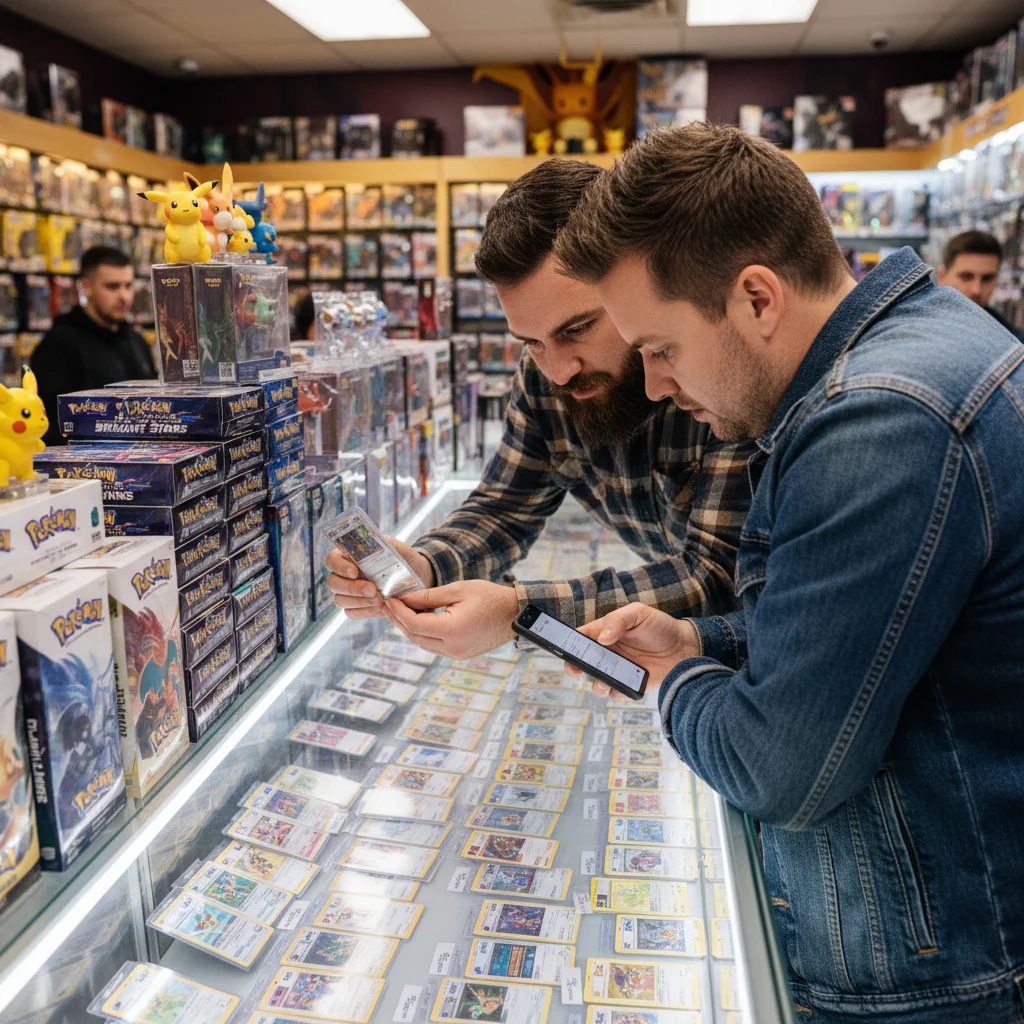
In an era where traditional investment avenues face increasing volatility and lower yields, many individuals are exploring unconventional assets to diversify their portfolios. Once considered mere childhood collectibles, Pokemon cards as alternative investments have emerged as a surprisingly lucrative, albeit niche, market. From rare first-edition Charizards to sealed booster boxes, these vibrant pieces of cardboard have demonstrated remarkable appreciation, capturing the attention of both seasoned investors and nostalgic collectors.
However, navigating the world of collectible card investing requires a deep understanding of market dynamics, authentication, grading, and storage. It's not simply about buying any card; strategic acquisition and meticulous care are paramount. This comprehensive guide will delve into the intricacies of treating Pokemon cards as a serious investment, offering insights into their historical performance, risk factors, and best practices for building a valuable collection in 2026 and beyond.
Pokemon Cards as Alternative Investments Definition: Pokemon cards, originally designed as a collectible card game, are increasingly viewed as alternative investments due to their potential for significant value appreciation, driven by rarity, condition, and market demand among collectors and enthusiasts.
The Rise of Pokemon Cards in the Investment Landscape
The journey of Pokemon cards from playground currency to valuable assets is a fascinating case study in alternative investments. What began in 1996 as a Japanese trading card game quickly exploded into a global phenomenon, captivating millions. Today, the most sought-after cards command prices once reserved for fine art or rare artifacts. This surge in value is not accidental; it's a confluence of nostalgia, scarcity, and a growing appreciation for pop culture collectibles.
Historical Performance and Market Trends
The investment potential of Pokemon cards truly began to accelerate in the mid-2010s, reaching unprecedented peaks during the COVID-19 pandemic. With more people at home and disposable income available, many reconnected with childhood hobbies, driving demand for vintage cards. For instance, a PSA 10 (Gem Mint) 1st Edition Shadowless Charizard, often considered the holy grail of Pokemon cards, sold for over $420,000 in March 2021. While such extreme highs have somewhat normalized, the overall market for high-grade, rare cards remains robust.
According to data from PWCC Marketplace, a leading auction house for trading cards, the overall market for rare trading cards, including Pokemon, saw an average annual return of 18.5% between 2008 and 2023, outperforming traditional asset classes like the S&P 500 over the same period. This trend highlights the growing legitimacy of collectibles as an asset class. The market is driven by several factors: scarcity (limited print runs), condition (graded cards fetch significantly higher prices), and cultural significance (iconic Pokemon like Charizard, Blastoise, and Venusaur).
Factors Driving Value Appreciation
Several key elements contribute to a Pokemon card's investment value. Understanding these factors is crucial for making informed purchasing decisions.
- Rarity: This is perhaps the most significant driver. First Edition cards, especially those from the original Base Set, Jungle, and Fossil expansions, are inherently rare due to limited print runs. Promotional cards, error cards, and cards with unique stamps also fall into this category.
- Condition: The physical state of a card is paramount. Professional grading services like PSA (Professional Sports Authenticator) and Beckett (BGS) assign a numerical grade (typically 1-10) based on factors like centering, corners, edges, and surface. A Gem Mint 10 card can be worth exponentially more than a Near Mint 7 or 8.
- Popularity of the Pokemon: Iconic Pokemon characters like Charizard, Pikachu, Mewtwo, and Lugia consistently command higher prices due to their widespread appeal and nostalgic value.
- Set and Edition: Original sets, particularly the 1st Edition Shadowless Base Set, are the most valuable. Later sets can also hold value, especially if they contain rare alternate art cards or highly sought-after full arts.
- Authentication: Knowing a card is genuine is non-negotiable. Professional grading services not only assess condition but also authenticate the card, protecting against counterfeits.
Identifying Investment-Grade Pokemon Cards
Not all Pokemon cards are created equal when it comes to investment potential. While any card can be a collectible, only a select few truly qualify as investment-grade assets. Strategic investors focus on specific characteristics that indicate long-term value and appreciation.
Understanding Rarity and Scarcity
The foundation of a valuable Pokemon card lies in its rarity. This isn't just about the symbol at the bottom of the card (common, uncommon, rare, holographic rare); it's about the print run and availability.
- 1st Edition Cards: These are the earliest print runs of a set, identifiable by a "1st Edition" stamp on the card. The 1st Edition Base Set cards, especially "shadowless" variants (lacking a shadow border around the artwork box), are among the most coveted. Their limited initial distribution makes them inherently scarce.
- Promotional Cards: Cards distributed through special events, movies, or limited promotions can be extremely rare. Examples include the Black Star Promos or specific event-exclusive cards.
- Error Cards: Cards with printing mistakes, such as misprints, missing symbols, or incorrect text, can become highly valuable due to their uniqueness and scarcity. However, not all errors are equally desirable; some are more recognized and sought after by collectors.
- Secret Rares and Alternate Arts: Modern sets often feature "secret rare" cards (numbered beyond the official set count) and highly stylized "alternate art" cards. These are printed in much smaller quantities than standard cards and can achieve significant value, especially if they feature popular Pokemon.
The Importance of Card Condition and Grading
For investment purposes, a card's condition is paramount. Even a rare card will see its value severely diminished if it's not in pristine shape. This is where professional grading comes into play.
- Grading Services: The two most reputable grading companies are PSA (Professional Sports Authenticator) and Beckett Grading Services (BGS). CGC (Certified Guaranty Company) is also gaining traction. These companies encapsulate cards in tamper-proof slabs and assign a numerical grade from 1 to 10, with 10 being "Gem Mint" or "Pristine."
- Grading Scale:
- 10 (Gem Mint/Pristine): Perfect centering, sharp corners, no surface wear, perfect edges. This is the holy grail for investors.
- 9 (Mint): Nearly perfect, with perhaps one very minor flaw.
- 8 (Near Mint-Mint): Excellent condition with minor wear.
- 7 (Near Mint): Slight wear visible upon close inspection.
- Lower grades (e.g., Excellent, Played, Poor) significantly reduce value.
- Value Multiplier: A card graded PSA 10 can be worth 5x, 10x, or even 100x more than the same card graded PSA 8 or 9. The difference between a 9 and a 10 is often substantial, making meticulous care and handling critical. The population report, which indicates how many copies of a specific card exist at each grade, also influences value. A card with a low population count at a PSA 10 grade will be more valuable.
Key Investment Targets for 2026
As of 2026, the market continues to favor vintage, high-grade, and culturally significant cards.
- Vintage Holos (1st Edition & Shadowless Base Set): Charizard, Blastoise, Venusaur, Raichu, Alakazam, Zapdos, Mewtwo, Clefairy, Gyarados, Machamp, Magneton, Ninetales, Chansey, Hitmonchan. These remain the bedrock of high-value Pokemon card investing.
- WOTC Era Promos: Cards like the Black Star Promos, especially those featuring popular Pokemon or unique artwork, can be valuable in high grades.
- Early Japanese Exclusives: Some Japanese cards, particularly those from early sets or promotional releases, were printed in lower quantities and can be highly sought after.
- Modern Alternate Arts & Full Arts: From sets like Evolving Skies, Fusion Strike, and Silver Tempest, certain alternate art cards (e.g., Umbreon VMAX Alt Art, Rayquaza VMAX Alt Art) have shown strong performance due to their stunning artwork and rarity. These are more accessible entry points for newer investors.
- Sealed Product: Vintage sealed booster boxes (especially Base Set, Jungle, Fossil, Team Rocket) are highly prized. Modern sealed products with high-chase cards can also appreciate, but this is a longer-term hold with higher storage requirements.
The Mechanics of Investing in Pokemon Cards
Treating Pokemon cards as an investment requires a structured approach, much like investing in stocks or real estate. It involves research, strategic acquisition, proper storage, and understanding market liquidity.
Research and Due Diligence
Before making any purchase, extensive research is essential.
- Market Prices: Use reputable platforms like eBay (filter by "Sold Listings"), PWCC Marketplace, Goldin Auctions, and Heritage Auctions to track recent sales data. Websites like PriceCharting.com and TCGPlayer.com also provide pricing trends for raw and graded cards.
- Population Reports: Check PSA, BGS, and CGC population reports to understand the scarcity of a card at a specific grade. A low population at a Gem Mint 10 grade indicates higher rarity and potential value.
- Set Knowledge: Familiarize yourself with different Pokemon sets, their release dates, and the key chase cards within each. Understand the differences between 1st Edition, Shadowless, Unlimited, and various print runs.
- Seller Reputation: When buying from online marketplaces, always check seller reviews and ratings. Look for sellers with a long history of positive feedback.
Acquiring Investment-Grade Cards
There are several avenues for acquiring Pokemon cards, each with its own advantages and risks.
- Online Marketplaces: eBay is the largest platform, offering a wide range of cards. Dedicated trading card marketplaces like TCGPlayer and Card Kingdom also exist. Always use buyer protection.
- Auction Houses: For high-value, graded cards, reputable auction houses like PWCC Marketplace, Goldin Auctions, and Heritage Auctions provide a secure and authenticated buying experience. These platforms often handle the most expensive transactions.
- Local Card Shops/Conventions: These can be great places to find raw cards at potentially lower prices, but require expertise to assess condition on the spot. Conventions also offer opportunities to network with other collectors and sellers.
- Direct from Collectors: Building relationships within the collecting community can lead to off-market deals for rare cards.
Authentication and Grading Process
Once you acquire a card, especially a raw one, getting it professionally graded is crucial for validating its condition and authenticity, thereby maximizing its investment potential.
Preparation: Carefully inspect the card for any flaws. Use a microfiber cloth to gently clean the surface. Place the card in a penny sleeve, then a semi-rigid card saver or top loader.
Submission: Choose a reputable grading company (PSA, BGS, CGC). Fill out their submission form, declaring the card's value for insurance purposes.
Shipping: Package your cards securely and insure your shipment. Follow the grading company's specific shipping instructions.
Grading Turnaround: The grading process can take weeks to months, depending on the service level chosen and current demand.
Return: Your graded cards will be returned in their protective slabs with their assigned grade.
Cost of Grading: Grading fees vary based on the declared value of the card and the desired turnaround time. For high-value cards, premium services can cost hundreds of dollars per card, but this investment often pays off significantly in increased market value. As of early 2026, PSA's value service (cards up to $499) costs around $25-$30, while higher-tier services for cards valued over $5,000 can range from $100 to several hundred dollars.
Proper Storage and Preservation
Protecting your investment is paramount. Improper storage can quickly degrade a card's condition and value.
- Graded Slabs: Graded cards are already protected in their sealed, tamper-proof plastic slabs. However, store these slabs in a cool, dry place away from direct sunlight and extreme temperature fluctuations.
- Raw Cards: For ungraded cards, use a combination of penny sleeves (soft plastic sleeves to prevent surface scratches) and top loaders (rigid plastic holders) or magnetic one-touch holders. Store these in acid-free storage boxes.
- Humidity Control: High humidity can cause cards to warp or develop mold. Consider using dehumidifiers or silica gel packets in storage areas.
- Security: For high-value collections, consider a fireproof safe or a safety deposit box. Ensure your collection is adequately insured.
Risks and Considerations of Investing in Pokemon Cards
While the potential for high returns exists, investing in Pokemon cards is not without its significant risks. It's crucial to approach this market with a clear understanding of its volatility and unique challenges.
Market Volatility and Speculation
The Pokemon card market, like many alternative asset markets, can be highly volatile.
- Hype Cycles: The market often experiences "hype cycles" driven by social media trends, celebrity endorsements, or major anniversaries (e.g., Pokemon's 25th anniversary in 2021). These can lead to rapid price increases followed by corrections.
- Liquidity: While popular cards are relatively liquid, selling high-value cards can still take time, especially if you're aiming for a specific price. The market for niche or less popular cards can be very illiquid.
- Speculation: A significant portion of the market is driven by speculation rather than intrinsic value or long-term collecting. This can lead to inflated prices that may not be sustainable.
Counterfeits and Fraud
The high value of rare Pokemon cards has unfortunately attracted counterfeiters.
- Sophisticated Fakes: Modern counterfeits can be extremely convincing, often mimicking the texture, print quality, and even holographic patterns of genuine cards.
- Graded Card Fraud: While less common, there have been instances of fake graded slabs or cards being swapped out of genuine slabs. Always verify the authenticity of a slab using the grading company's online verification tools.
- Due Diligence: Always purchase from reputable sources and, if buying raw cards, develop a keen eye for authenticity indicators (print quality, font, texture, light test).
Storage, Insurance, and Maintenance Costs
The ongoing costs associated with maintaining a valuable collection can impact overall returns.
- Storage: While basic storage is inexpensive, secure, climate-controlled storage for a large, high-value collection can incur costs.
- Insurance: Standard homeowner's insurance policies often have low limits for collectibles. You will likely need a separate rider or a specialized collectibles insurance policy to adequately cover your investment against theft, fire, or damage.
- Grading Fees: As mentioned, grading can be expensive, especially for multiple high-value cards.
- Market Research: Staying informed about market trends, new releases, and grading standards requires ongoing time and effort.
Lack of Regulation and Price Manipulation
Unlike traditional financial markets, the collectible card market is largely unregulated.
- No Central Authority: There is no governing body overseeing pricing or trading practices, leaving investors vulnerable to pump-and-dump schemes or artificial price inflation.
- Influencer Impact: High-profile collectors or influencers can significantly impact card prices through their purchases or endorsements, sometimes creating artificial demand.
- Subjectivity of Value: While rarity and condition are objective, the ultimate value of a collectible is subjective and driven by collector demand, which can shift over time.
Diversifying Your Alternative Investment Portfolio
Pokemon cards, while exciting, should ideally be just one component of a broader alternative investment strategy. Diversification is key to mitigating risk and enhancing overall portfolio stability.
Balancing Collectibles with Traditional Assets
Financial advisors generally recommend that alternative investments, including collectibles, constitute a small percentage of an overall portfolio – typically no more than 5-10%. The bulk of your investments should remain in traditional, more liquid assets like stocks, bonds, and real estate. This strategy ensures that your core financial security isn't overly exposed to the volatile and often illiquid collectible market.
Traditional vs. Alternative Investments
| Feature | Traditional Investments (Stocks, Bonds, ETFs) | Alternative Investments (Pokemon Cards, Art, Wine) |
|---|---|---|
| Liquidity | High (easily bought/sold) | Low (can take time to sell) |
| Volatility | Moderate to High | Often Higher |
| Regulation | Highly Regulated | Largely Unregulated |
| Income Potential | Dividends, Interest | Capital Appreciation (no regular income) |
| Storage/Care | Digital/Brokerage | Physical storage, maintenance, insurance |
| Entry Barrier | Low (fractional shares, ETFs) | Can be High (for investment-grade items) |
| Market Drivers | Economic data, company performance | Scarcity, nostalgia, cultural trends, speculation |
Other Alternative Investment Categories
Beyond Pokemon cards, a vast world of alternative investments exists, each with its own risk-reward profile.
- Fine Art: Historically a strong performer, but requires significant capital and expertise.
- Luxury Watches: Certain brands and models hold their value well or appreciate.
- Rare Coins and Stamps: Similar to trading cards, value is driven by rarity and condition.
- Wine and Spirits: Investment-grade wines and whiskies can appreciate significantly over time.
- Classic Cars: High maintenance costs but can offer substantial returns for rare models.
- Non-Fungible Tokens (NFTs): Digital assets on a blockchain, highly speculative and volatile.
- Real Estate (Crowdfunding/REITs): More accessible ways to invest in real estate without direct property ownership.
Including a mix of these alternatives, alongside your traditional investments, can create a more robust and resilient portfolio. The key is to thoroughly research each category and understand its unique risks and benefits before committing capital.
Selling Your Pokemon Card Investments
Knowing when and how to sell your Pokemon card investments is as crucial as knowing when and how to buy them. A well-executed exit strategy can maximize your returns and minimize potential losses.
Timing the Market
Timing the market in collectibles is notoriously difficult, but there are indicators to watch for:
- Market Peaks: Look for periods of intense hype, high trading volume, and rapidly escalating prices. The COVID-19 boom was a clear example. Selling into strength can lock in gains.
- Anniversaries/Major Releases: Pokemon anniversaries or major game/movie releases can temporarily boost interest and prices.
- Personal Financial Goals: Sometimes, the best time to sell is when you need the capital for other financial goals, regardless of market conditions.
- Long-Term Holds: Many investors treat highly rare, graded cards as long-term holds, similar to blue-chip stocks, anticipating continued appreciation over decades.
Sales Platforms and Strategies
Choosing the right platform and strategy depends on the card's value, your desired speed of sale, and your comfort level with different selling methods.
- eBay: Best for cards ranging from tens to thousands of dollars.
- Auction vs. Buy It Now: Auctions can create bidding wars for popular cards, potentially driving up the price. "Buy It Now" with "Best Offer" provides more control over the selling price.
- High-Quality Photos: Crucial for attracting buyers. Show front, back, and close-ups of any imperfections. For graded cards, clearly show the slab and grade.
- Detailed Description: Accurately describe the card, its grade, and any relevant details.
- Shipping & Insurance: For high-value cards, use tracked, insured shipping with signature confirmation.
- Consignment Services/Auction Houses: For cards valued at several thousand dollars or more, consigning to a reputable auction house (e.g., PWCC Marketplace, Goldin Auctions, Heritage Auctions) is often the best option.
- Benefits: They handle authentication, photography, marketing, buyer communication, and secure shipping. They have a vast network of high-net-worth collectors.
- Fees: They charge a commission (typically 10-20%) on the final sale price.
- Social Media Groups/Forums: Facebook groups, Reddit communities (e.g., r/PokemonTCG), and dedicated forums can be good for selling to a targeted audience.
- Risks: Higher risk of scams or disputes compared to regulated platforms. Exercise extreme caution and use secure payment methods (e.g., PayPal Goods & Services).
- Local Card Shops/Conventions: Can offer immediate cash, but typically at a discount to market value, as they need to resell for a profit.
Tax Implications
Remember that profits from the sale of collectibles, including Pokemon cards, are subject to capital gains tax.
- Short-Term vs. Long-Term: If you hold the card for less than one year, profits are taxed at your ordinary income tax rate. If held for more than one year, they are typically taxed at the long-term capital gains rate, which is often lower.
- Collectibles Tax Rate: In the U.S., collectibles are often subject to a higher long-term capital gains tax rate (up to 28%) than other long-term assets like stocks.
- Record Keeping: Maintain meticulous records of your purchase price, grading fees, shipping costs, and sale price to accurately calculate your cost basis and taxable gain. Consult with a tax professional for personalized advice, especially for significant sales.
Frequently Asked Questions
Are Pokemon cards a good investment in 2026?
Pokemon cards, particularly rare, high-grade vintage cards and select modern alternate arts, can be a good alternative investment in 2026, offering potential for significant appreciation. However, they are a volatile and illiquid asset class, best suited for a small portion of a diversified portfolio.
How much can a PSA 10 Charizard be worth?
A PSA 10 (Gem Mint) 1st Edition Shadowless Charizard from the original Base Set can be worth hundreds of thousands of dollars, with some sales exceeding $400,000 during peak market conditions. Its value depends heavily on the specific card, its population report, and current market demand.
What makes a Pokemon card valuable for investment?
A Pokemon card's investment value is primarily driven by its rarity (e.g., 1st Edition, limited promos), condition (especially professional grades of 9 or 10), and the popularity of the featured Pokemon. Authenticity and the set it belongs to also play crucial roles.
How do I get my Pokemon cards graded?
To get your Pokemon cards graded, you typically submit them to a professional grading service like PSA, Beckett Grading Services (BGS), or CGC. You'll prepare the cards in protective sleeves, fill out a submission form, and ship them securely according to the company's instructions.
What are the risks of investing in Pokemon cards?
Key risks include market volatility and speculation, the prevalence of counterfeits, high storage and insurance costs, and the lack of regulation in the collectibles market. Cards can also be illiquid, meaning they may take time to sell at your desired price.
Should I invest in sealed Pokemon products or single cards?
Both sealed products and single cards have investment potential. Vintage sealed booster boxes are highly sought after but require significant capital and storage. Single, high-grade, rare cards offer more focused investment but require expertise in identifying and acquiring them. Diversifying between both can be a strategy.
How do I protect my Pokemon card investments?
Protect your Pokemon card investments by storing them in a cool, dry place away from direct sunlight, using appropriate protective sleeves and holders (slabs for graded cards), and considering specialized collectibles insurance. For high-value items, a fireproof safe or safety deposit box is advisable.
Key Takeaways
- Pokemon cards are a legitimate alternative investment: Certain rare, high-grade cards have shown significant appreciation, outperforming traditional assets over specific periods.
- Rarity and condition are paramount: Focus on 1st Edition, shadowless, and highly sought-after modern alternate art cards, always aiming for professionally graded Gem Mint (PSA 10) condition.
- Thorough research is essential: Understand market prices, population reports, and seller reputations before making any purchase.
- Professional grading is crucial: Services like PSA and BGS authenticate cards and validate their condition, significantly impacting their market value.
- Storage and insurance are non-negotiable: Protect your physical assets from damage, theft, and environmental factors to preserve their value.
- Be aware of significant risks: The market is volatile, susceptible to speculation, and vulnerable to counterfeits. It's also largely unregulated.
- Diversify your portfolio: Pokemon cards should be a small, speculative portion of a broader investment strategy, complementing traditional assets and other alternative investments.
Conclusion
The journey of Pokemon cards from a children's game to a serious alternative investment class is a testament to the power of nostalgia, scarcity, and cultural impact. For those willing to navigate its unique challenges, the market for investment-grade Pokemon cards offers compelling opportunities for diversification and significant capital appreciation. However, success in this niche requires more than just a love for the franchise; it demands meticulous research, a keen eye for condition and authenticity, strategic acquisition, and diligent preservation.
As the market continues to mature in 2026, understanding the interplay of rarity, grading, and market sentiment will be crucial for any investor. By approaching Pokemon cards with the same rigor and due diligence applied to traditional assets, and by always remembering to diversify, enthusiasts can transform their passion into a potentially profitable financial endeavor. Always remember to consult with a financial advisor to ensure any investment aligns with your personal financial goals and risk tolerance.
Disclaimer: This article is for informational and educational purposes only and does not constitute financial, investment, or tax advice. Always consult a qualified financial advisor before making investment decisions.
The information provided in this article is for educational purposes only and does not constitute financial, investment, or legal advice. Always consult with a qualified financial advisor, tax professional, or legal counsel for personalized guidance tailored to your specific situation before making any financial decisions.
Comments
No comments yet. Be the first to comment!
More from Investing


Explore Related Guides
Expert reviews of Gold IRA companies, rollover guides, fees, and IRS rules.
Compare banking products, interest rates, and strategies to maximize your savings.
Master budgeting, debt management, taxes, and financial planning for your situation.