
Home Equity: Your Complete Personal Finance Guide
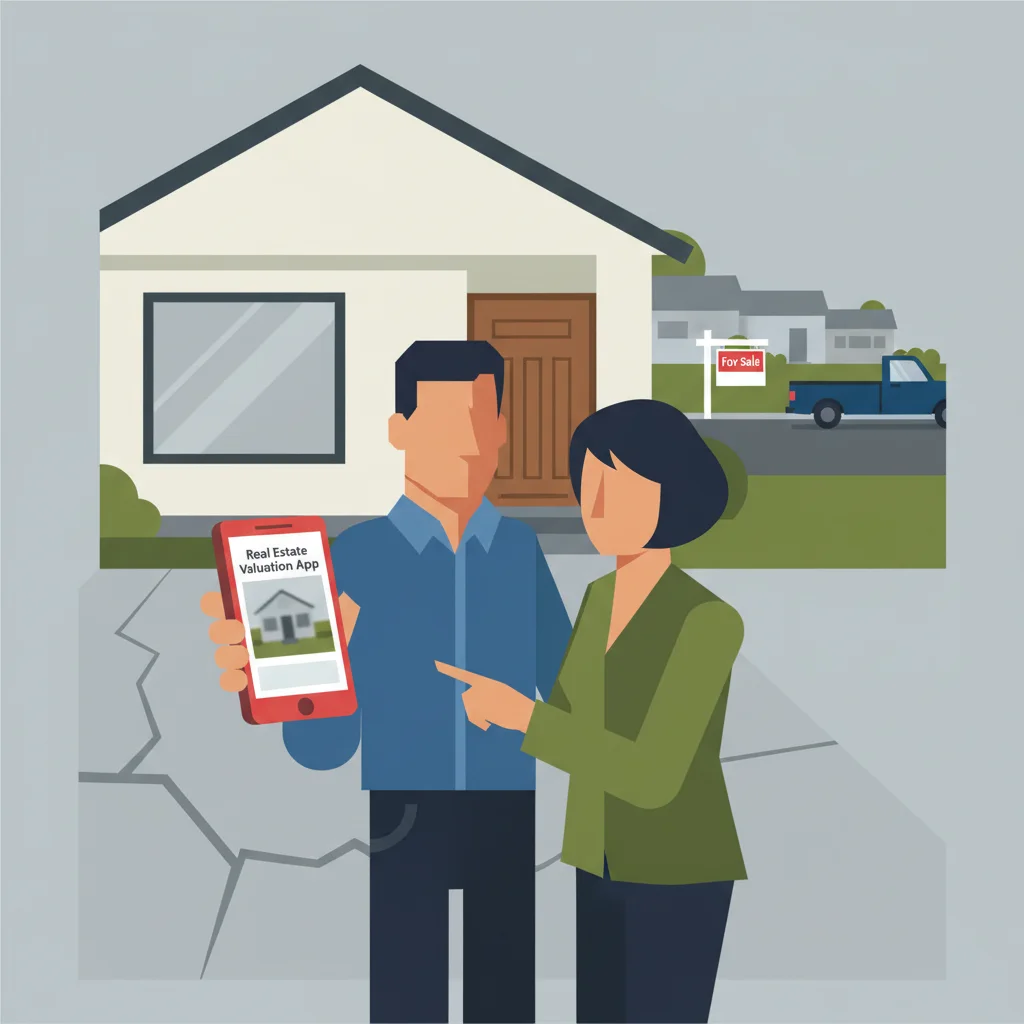
For many homeowners, their house is more than just a place to live; it's their single largest asset. But while the concept of homeownership is familiar, understanding and leveraging the power of home equity can be less straightforward. In today's economic climate, where interest rates are fluctuating and the cost of living continues to rise, unlocking the value tied up in your home can be a critical financial strategy. Whether you're looking to fund a major renovation, consolidate high-interest debt, or even finance your child's education, your home equity offers a powerful resource. This comprehensive guide will demystify home equity, explain how it works, and explore the various ways you can strategically use it to achieve your personal finance goals.
Home Equity Definition: Home equity is the portion of your home's value that you actually own, calculated by subtracting your outstanding mortgage balance from the current market value of your property. It represents a significant financial asset that can be leveraged for various personal finance needs.
Understanding Home Equity and How It Grows
Home equity is a fundamental concept for homeowners, representing the tangible value you've built in your property over time. It's not just an abstract number; it's a financial asset that can be accessed and utilized. Grasping how it's calculated and the factors that contribute to its growth is the first step in leveraging this powerful tool.
What is Home Equity?
At its core, home equity is the difference between your home's current market value and the amount you still owe on your mortgage. Think of it as the percentage of your home that you truly own outright. If your home is worth $400,000 and you have a mortgage balance of $250,000, your home equity is $150,000. This equity is not liquid cash sitting in a bank account, but rather a value embedded within your property that can be converted into cash through various financial products. It's a crucial component of your overall net worth.
Building equity is a gradual process that happens in two primary ways. First, as you make monthly mortgage payments, a portion goes towards reducing your principal balance, directly increasing your equity. Second, if your home's market value appreciates due to market conditions, improvements you make, or general economic growth, your equity also grows. For example, if your home value increases by 5% in a year, that directly adds to your equity, assuming your mortgage balance remains the same or decreases.
How Home Equity is Calculated
Calculating your home equity is a straightforward process, but it requires accurate figures. The formula is simple:
Current Market Value of Home - Outstanding Mortgage Balance = Home Equity
Let's break down each component:
- Current Market Value of Home: This is not necessarily what you paid for your home. It's what your home would sell for on the open market today. You can estimate this by looking at comparable sales in your neighborhood, using online valuation tools, or, most accurately, by getting a professional appraisal. A professional appraisal provides an unbiased, expert opinion on your home's value, which is often required by lenders when you apply for equity-based loans.
- Outstanding Mortgage Balance: This is the total amount you still owe on your primary mortgage. You can find this information on your most recent mortgage statement or by contacting your mortgage servicer. It's important to use the most up-to-date figure, as your balance decreases with each payment.
For instance, if your home was appraised at $500,000 and your mortgage statement shows an outstanding balance of $200,000, your home equity is $300,000. Lenders typically allow you to borrow against a certain percentage of your equity, often up to 80% or 85% of your home's value, minus your outstanding mortgage. This is known as your available equity.
Factors Influencing Home Equity Growth
Several key factors contribute to how quickly and significantly your home equity grows:
- Mortgage Principal Payments: Every time you make a mortgage payment, a portion goes towards reducing your principal balance. Over time, this steadily increases your equity. Early in your loan term, more of your payment goes to interest, but as the loan matures, more goes to principal. Making extra principal payments can significantly accelerate equity growth.
- Home Value Appreciation: This is often the most significant driver of equity growth. When property values in your area rise, your home's market value increases, directly boosting your equity. Factors like a strong local economy, limited housing supply, desirable amenities, and overall inflation can fuel appreciation. According to the National Association of Realtors (NAR), the median existing-home price in the U.S. in February 2026 was projected to be around $425,000, reflecting continued appreciation in many markets.
- Home Improvements: Strategic renovations can increase your home's market value, thereby increasing your equity. Kitchen and bathroom remodels, adding square footage, or enhancing curb appeal often yield a good return on investment. However, not all improvements add equal value, so research is key.
- Market Conditions: Broader economic trends, interest rates, and housing demand all play a role. A seller's market, characterized by high demand and low inventory, tends to drive up home values and equity. Conversely, a downturn in the housing market can reduce your home's value and, consequently, your equity.
Accessing Your Home Equity: Options and Considerations
Once you've built sufficient home equity, you have several avenues to access it. Each option comes with its own structure, benefits, and drawbacks. Understanding these differences is crucial for making an informed decision that aligns with your financial situation and goals.
Home Equity Loan (HEL)
A home equity loan is a second mortgage that allows you to borrow a fixed amount of money, typically as a lump sum, against the equity in your home. It functions much like a traditional mortgage, but instead of buying a home, you're borrowing against its existing value. The loan has a fixed interest rate and a fixed repayment schedule, meaning your monthly payments remain consistent throughout the loan term. This predictability can be a significant advantage for budgeting.
The interest rate on a home equity loan is generally lower than unsecured loans (like personal loans or credit cards) because your home serves as collateral. This lower interest rate can lead to substantial savings, especially when consolidating high-interest debt. The repayment period can range from 5 to 30 years. Lenders typically allow you to borrow up to 80-85% of your home's appraised value, minus your outstanding first mortgage balance. For example, if your home is worth $400,000 and you owe $200,000, you have $200,000 in equity. At an 80% loan-to-value (LTV) ratio, you could potentially borrow up to $120,000 ($400,000 * 0.80 - $200,000).
Home Equity Line of Credit (HELOC)
A Home Equity Line of Credit (HELOC) is a revolving line of credit, similar to a credit card, but secured by your home. Instead of a lump sum, you're approved for a maximum borrowing limit that you can draw from as needed over a specific period, known as the "draw period" (often 10 years). During the draw period, you typically make interest-only payments on the amount you've borrowed. Once the draw period ends, the "repayment period" begins (often 10-20 years), during which you must repay both principal and interest, usually at a higher monthly payment.
HELOCs typically come with a variable interest rate, meaning your payments can fluctuate with market rates. This flexibility can be attractive for ongoing expenses or projects with uncertain costs, such as a long-term renovation. However, the variable rate introduces risk, as rising rates can increase your monthly payments. Some HELOCs offer an option to convert a portion of the variable-rate balance to a fixed rate, providing a hybrid approach. The maximum LTV for HELOCs is also generally in the 80-85% range.
Cash-Out Refinance
A cash-out refinance involves replacing your existing mortgage with a new, larger mortgage. The difference between your old mortgage balance and the new, larger loan amount is paid to you in cash. This option is often considered when interest rates are lower than your current mortgage rate, as it allows you to potentially reduce your overall interest payments while also accessing equity.
For example, if you owe $200,000 on a home worth $400,000, you have $200,000 in equity. With an 80% LTV limit, you could refinance for up to $320,000 ($400,000 * 0.80). After paying off your existing $200,000 mortgage, you would receive $120,000 in cash. A key advantage is that you only have one mortgage payment. However, you will incur closing costs, similar to your original mortgage, which can be thousands of dollars. It also restarts your mortgage term, potentially extending the time it takes to pay off your home.
Reverse Mortgage
A reverse mortgage is designed specifically for homeowners aged 62 or older (as of 2026, this age requirement remains consistent for FHA-insured Home Equity Conversion Mortgages, or HECMs). It allows you to convert a portion of your home equity into cash without having to sell your home or make monthly mortgage payments. Instead, the lender pays you, either as a lump sum, a line of credit, or regular monthly payments. The loan balance grows over time as interest and fees are added, and it becomes due when the last borrower leaves the home permanently (e.g., sells, moves out, or passes away).
The primary benefit is tax-free cash flow and the ability to remain in your home. However, reverse mortgages come with significant costs, including high closing costs and ongoing fees. The loan balance can grow to consume a substantial portion of your home's value, leaving less for heirs. It's a complex product that requires careful consideration and often mandatory counseling.
Comparison of Equity Access Options
| Feature | Home Equity Loan (HEL) | Home Equity Line of Credit (HELOC) | Cash-Out Refinance | Reverse Mortgage (HECM) |
|---|---|---|---|---|
| Loan Type | Second mortgage | Revolving line of credit | New first mortgage | Special loan for seniors |
| Funds Received | Lump sum | As needed (draw period) | Lump sum | Lump sum, line of credit, or monthly payments |
| Interest Rate | Fixed | Variable (often) | Fixed (usually) | Variable or fixed |
| Payment Schedule | Fixed monthly payments | Interest-only during draw period, then principal + interest | New fixed monthly payments | No monthly payments (loan repaid when home is sold/vacated) |
| Closing Costs | Moderate | Low to moderate | High (like original mortgage) | High |
| Best For | Large, one-time expense (e.g., renovation, debt consolidation) | Ongoing expenses, uncertain costs (e.g., long-term renovation, emergency fund) | Lowering interest rate, consolidating debt, large lump sum | Seniors 62+ needing income/funds without selling home |
| Risk | Foreclosure if not repaid | Variable rate risk, foreclosure if not repaid | Higher total debt, restarts mortgage term, foreclosure if not repaid | High fees, loan balance grows, less equity for heirs, foreclosure if property taxes/insurance not paid |
Strategic Uses of Home Equity
Accessing your home equity should always be a strategic decision, not a casual one. Because your home acts as collateral, defaulting on an equity-based loan can lead to foreclosure. Therefore, it's essential to use these funds wisely for purposes that genuinely improve your financial standing or quality of life.
Home Improvement and Renovation
One of the most common and often recommended uses of home equity is for home improvement and renovation. Investing in your home can increase its market value, potentially boosting your equity even further. This creates a positive feedback loop. Projects like kitchen and bathroom remodels, adding a deck, or finishing a basement can yield significant returns. According to Remodeling Magazine's 2026 Cost vs. Value Report (projected based on historical trends), a minor kitchen remodel could recoup 70-80% of its cost, while a bathroom remodel might recoup 60-70%.
Using equity for renovations makes sense when:
- The improvements add tangible value to your home.
- You plan to stay in your home long enough to enjoy the benefits and potentially see the value increase.
- The cost of borrowing is less than the expected increase in home value.
It's crucial to differentiate between necessary upgrades (e.g., new roof, HVAC system) and purely aesthetic changes. Prioritize improvements that enhance functionality, energy efficiency, or appeal to a broad range of buyers if you anticipate selling in the future.
Debt Consolidation
Using home equity for debt consolidation can be a powerful strategy, particularly for high-interest debts like credit card balances or personal loans. The interest rates on home equity loans and HELOCs are typically much lower than those on unsecured debt because your home secures the loan. Consolidating multiple debts into one lower-interest payment can simplify your finances, reduce your total interest paid, and potentially shorten your repayment period.
Consider this example: A homeowner has $30,000 in credit card debt with an average interest rate of 20%. If they consolidate this into a home equity loan at 7% interest, they could save thousands in interest over the loan term.
However, this strategy comes with a significant caveat: you're converting unsecured debt into secured debt. If you fail to make payments on your home equity loan, you risk losing your home. It's vital to address the underlying spending habits that led to the original debt to avoid accumulating new high-interest debt after consolidation.
Education Funding
Financing higher education is another common use for home equity. Whether it's for your children's college tuition or your own continuing education, home equity loans or HELOCs can offer a more affordable alternative to private student loans, which often come with higher, variable interest rates and fewer consumer protections. Federal student loans are generally the first choice due to their borrower-friendly terms, but if those aren't enough, home equity can bridge the gap.
Benefits include:
- Potentially lower interest rates compared to private student loans.
- Flexible disbursement with a HELOC, drawing funds as tuition bills come due.
- Interest deductibility: The interest on home equity loans used for education can be tax-deductible under certain circumstances, though tax laws are complex and subject to change. Always consult a tax professional.
However, consider the long-term implications. You're putting your home at risk to fund education. If the student struggles to find employment after graduation, the burden of repayment falls on the homeowner, potentially jeopardizing their housing. Explore all federal student aid options first, including grants and federal loans, before tapping into home equity.
Starting a Business or Investment
Some entrepreneurs use home equity to fund a startup business or make investments. This can provide crucial seed money without having to rely on venture capitalists or high-interest business loans. The lower interest rates associated with home equity products can make the initial capital more affordable.
While potentially lucrative, this is generally considered a high-risk strategy. Businesses can fail, and investments can lose value. If your business venture doesn't succeed, you could lose your home. It's imperative to have a robust business plan, a clear understanding of the risks involved, and a solid backup repayment strategy before using your home equity for such purposes. Financial advisors often caution against using your primary residence as collateral for speculative ventures.
Risks and Downsides of Using Home Equity
While home equity offers a powerful financial resource, it's not without its risks. Before you tap into your home's value, it's critical to understand the potential downsides and how to mitigate them.
Risk of Foreclosure
The most significant risk associated with any home equity product is the risk of foreclosure. Your home serves as collateral for the loan. If you fail to make your payments, the lender has the legal right to seize your home to recover their money. This is true for home equity loans, HELOCs, and cash-out refinances. Unlike unsecured debt, where defaulting might damage your credit but not immediately threaten your housing, defaulting on an equity-based loan puts your primary asset at stake.
This risk is amplified if you use the funds for purposes that don't generate income or improve your financial stability, such as a speculative investment or discretionary spending. Always ensure you have a stable income and a realistic repayment plan before taking on additional debt secured by your home.
Increasing Your Overall Debt Burden
Accessing home equity means taking on more debt. While consolidating high-interest debt might seem like a reduction, it's actually replacing one form of debt with another. A cash-out refinance replaces your existing mortgage with a larger one, increasing your total outstanding loan amount. A HEL or HELOC adds a second layer of debt on top of your primary mortgage.
This increased debt burden translates to higher monthly payments or a longer repayment period. If your financial situation changes (e.g., job loss, medical emergency), these higher payments could become unmanageable, leading to financial strain and potentially default. It's crucial to assess your current and projected income, expenses, and overall debt-to-income ratio before committing to additional home-secured debt.
Variable Interest Rate Risk (HELOCs)
HELOCs are often attractive due to their flexibility and initially lower interest rates. However, most HELOCs come with a variable interest rate, which means the rate can change over time, typically tied to a benchmark like the prime rate. If interest rates rise, your monthly payments will increase, potentially significantly.
For example, if you have a HELOC with a rate of Prime + 1% and the prime rate increases from 5% to 8%, your HELOC rate would jump from 6% to 9%. This could add hundreds of dollars to your monthly payment, making it difficult to budget and potentially straining your finances. While some HELOCs offer caps on how high the rate can go, or the option to convert portions to a fixed rate, the initial variability is a major consideration. As of March 2026, the Federal Reserve's target federal funds rate has seen fluctuations, making variable rates a significant risk factor for borrowers.
Erosion of Equity and Potential for Negative Equity
Every time you borrow against your home equity, you reduce the amount of equity you own. If home values decline, or if you borrow a substantial amount, you could find yourself with negative equity, also known as being "underwater." This means you owe more on your home than it's currently worth.
Being in negative equity can have several consequences:
- Difficulty selling: You might not be able to sell your home for enough to cover your mortgage balances, requiring you to bring cash to the closing table.
- Difficulty refinancing: Lenders are reluctant to refinance homes with negative equity.
- Increased financial stress: The psychological burden of owing more than your home is worth can be significant.
This risk is particularly relevant in volatile housing markets. Always maintain a healthy equity cushion and avoid borrowing the maximum amount available, especially if market conditions are uncertain.
Tax Implications of Home Equity Loans
Understanding the tax implications of home equity loans and HELOCs is crucial for maximizing their benefits and avoiding unexpected costs. Tax laws are complex and can change, so always consult a qualified tax professional for personalized advice.
Interest Deductibility
Historically, interest paid on home equity loans and HELOCs was generally tax-deductible. However, the Tax Cuts and Jobs Act of 2017 significantly altered this. As of 2026, interest on home equity loans and HELOCs is only deductible if the funds are used to buy, build, or substantially improve the home that secures the loan. It is no longer deductible if the funds are used for other purposes, such as debt consolidation, education expenses, or starting a business.
For example, if you take out a HELOC to remodel your kitchen, the interest paid on that portion of the loan may be deductible. But if you use the same HELOC to pay off credit card debt, the interest on that portion is not deductible. The total amount of acquisition indebtedness (first mortgage plus home equity debt used for home improvement) on which interest can be deducted is capped at $750,000 for married couples filing jointly and $375,000 for single filers.
Other Tax Considerations
Beyond interest deductibility, there are a few other tax-related points to keep in mind:
- Loan Proceeds Are Not Taxable Income: The money you receive from a home equity loan or HELOC is considered borrowed money, not income. Therefore, it is generally not subject to income tax.
- Property Taxes: While not directly related to the equity loan itself, remember that you are still responsible for paying property taxes on your home. These are often deductible if you itemize, subject to the state and local tax (SALT) deduction cap of $10,000 per household.
- Closing Costs: The fees and closing costs associated with obtaining a home equity loan or HELOC are generally not tax-deductible, though some specific points might be considered deductible interest over the life of the loan.
Given the nuances of tax law, it is always recommended to consult with a tax advisor before making decisions based on potential deductions. They can provide guidance specific to your financial situation and ensure you comply with current IRS regulations.
Alternatives to Tapping Home Equity
Before committing to an equity-based loan, explore other financial strategies that might meet your needs without putting your home at risk. These alternatives can sometimes be more suitable depending on your financial situation and the purpose of the funds.
Personal Loans
A personal loan is an unsecured loan, meaning it doesn't require collateral like your home. Lenders assess your creditworthiness (credit score, income, debt-to-income ratio) to determine eligibility and interest rates. While personal loan interest rates are typically higher than home equity loan rates (ranging from 6% to 36% depending on creditworthiness, as of 2026), they carry no risk to your home.
Personal loans are suitable for:
- Smaller expenses.
- Debt consolidation when you prefer not to use your home as collateral.
- Situations where you have excellent credit and can qualify for a competitive rate.
The repayment terms are usually shorter (2-7 years), leading to higher monthly payments but faster debt payoff.
Refinancing with a Lower Interest Rate (No Cash-Out)
If your primary goal is to lower your monthly mortgage payment or reduce the total interest paid over the life of your loan, a rate-and-term refinance might be a better option than a cash-out refinance. This involves replacing your current mortgage with a new one that has a lower interest rate or a shorter term, but you don't take out any cash.
This strategy can save you a significant amount of money over the long term, especially if current interest rates are substantially lower than your existing mortgage rate. You'll still incur closing costs, but you avoid increasing your overall debt burden or tapping into your home equity.
Budgeting and Saving
For smaller expenses, or if you have time, the simplest and safest alternative is often budgeting and saving. By creating a detailed budget, identifying areas to cut expenses, and consistently setting money aside, you can fund your goals without incurring debt. This approach avoids interest payments, fees, and the risk to your home.
Steps include:
- Track your spending: Understand where your money is going.
- Create a realistic budget: Allocate funds for necessities, savings, and discretionary spending.
- Identify areas for cuts: Reduce non-essential spending.
- Set specific savings goals: Assign a target amount and timeline.
This method requires discipline and patience but is the most financially sound approach for many needs.
Selling Assets
If you have other valuable assets, such as investments (stocks, bonds, mutual funds), a second vehicle, or luxury items, selling these assets can provide cash without touching your home equity. This can be a good option if the asset is underperforming, no longer needed, or if the capital gains tax implications are manageable.
Consider the tax consequences of selling investments. Short-term capital gains (assets held for less than a year) are taxed at ordinary income rates, while long-term capital gains (assets held for over a year) are taxed at preferential rates. Consult a financial advisor to understand the best strategy for liquidating assets.
Frequently Asked Questions
What is the difference between a home equity loan and a HELOC?
A home equity loan provides a lump sum with a fixed interest rate and fixed monthly payments, while a HELOC is a revolving line of credit with a variable interest rate, allowing you to draw funds as needed during a draw period and typically make interest-only payments initially.
How much home equity do I need to access it?
Lenders typically require you to have at least 15-20% equity in your home to qualify for a home equity loan or HELOC. This means your loan-to-value (LTV) ratio should be 80-85% or less after taking out the equity product.
Are home equity loans tax deductible in 2026?
As of 2026, interest on home equity loans and HELOCs is only tax-deductible if the funds are used to buy, build, or substantially improve the home that secures the loan. It is not deductible if used for other purposes like debt consolidation or education. Always consult a tax professional.
Can I lose my home if I take out a home equity loan?
Yes, if you fail to make the required payments on a home equity loan, HELOC, or cash-out refinance, the lender can foreclose on your home, as your property serves as collateral for the loan.
What is a good credit score to get a home equity loan?
Most lenders prefer a credit score of 680 or higher for home equity loans and HELOCs. A higher score, typically 720+, will generally qualify you for the best interest rates and terms.
What is the current average interest rate for a home equity loan?
As of March 2026, average interest rates for home equity loans are typically in the range of 7.5% to 9.5% for borrowers with excellent credit, though these rates can fluctuate based on market conditions, the lender, and individual creditworthiness. HELOC rates are variable and often tied to the prime rate.
Should I use home equity to pay off credit card debt?
Using home equity to pay off high-interest credit card debt can save you money due to lower interest rates. However, it converts unsecured debt into secured debt, putting your home at risk. It's only advisable if you address the root causes of your debt and have a stable plan for repayment.
Key Takeaways
- Home Equity is an Asset: Your home equity is the portion of your home's value you own, calculated as market value minus mortgage balance. It grows through principal payments and home appreciation.
- Multiple Access Options: You can access equity via Home Equity Loans (lump sum, fixed rate), HELOCs (revolving credit, variable rate), Cash-Out Refinance (new, larger mortgage), or Reverse Mortgages (for seniors).
- Strategic Uses: Common uses include home improvements (which can increase value), debt consolidation (lower interest rates), and education funding.
- Significant Risks: The primary risk is foreclosure if you default on payments, as your home is collateral. Other risks include increased debt burden, variable rate fluctuations, and potential erosion of equity.
- Tax Implications: Interest deductibility for home equity loans is limited to funds used for buying, building, or substantially improving the secured home.
- Explore Alternatives: Consider personal loans, rate-and-term refinances, budgeting, saving, or selling other assets before tapping into home equity.
Conclusion
Home equity represents a significant financial asset for many homeowners, offering a powerful resource that can be strategically leveraged to achieve various personal finance goals. From funding impactful home renovations that further enhance your property's value to consolidating high-interest debt and potentially even financing education, understanding how to access and utilize your equity is a crucial skill.
However, tapping into your home's value is not a decision to be taken lightly. It involves securing debt against your primary residence, carrying inherent risks such as the potential for foreclosure, increased overall debt burden, and the volatility of variable interest rates. Before proceeding, carefully weigh the benefits against these risks, explore all available alternatives, and consult with financial and tax professionals. By approaching home equity with a clear strategy and a thorough understanding of its implications, you can make informed decisions that strengthen your financial foundation and help you achieve your long-term objectives.
Disclaimer: This article is for informational and educational purposes only and does not constitute financial, investment, or tax advice. Always consult a qualified financial advisor before making investment decisions.
The information provided in this article is for educational purposes only and does not constitute financial, investment, or legal advice. Always consult with a qualified financial advisor, tax professional, or legal counsel for personalized guidance tailored to your specific situation before making any financial decisions.
Comments
No comments yet. Be the first to comment!
More from Personal Finance



Explore Related Guides
Expert reviews of Gold IRA companies, rollover guides, fees, and IRS rules.
Comprehensive investment strategies covering stocks, bonds, ETFs, crypto, and real estate.
Compare banking products, interest rates, and strategies to maximize your savings.