Inflation: Your Complete Personal Finance Guide
Inflation is a silent force that chips away at your purchasing power, making everything from groceries to gasoline more expensive over time. In 2022, the U.S. saw its highest inflation rate in decades, peaking at 9.1% in June, a stark reminder of its impact on everyday finances. While rates have moderated since, understanding inflation is not just an academic exercise; it's a critical component of sound personal finance. Failing to account for inflation can erode your savings, diminish your retirement funds, and make long-term financial goals seem unattainable. This comprehensive guide will demystify inflation, explain its causes and effects, and provide actionable strategies to protect and grow your wealth in an inflationary environment.
Inflation Definition: Inflation refers to the rate at which the general level of prices for goods and services is rising, and subsequently, purchasing power is falling. It is typically measured as the percentage change in the Consumer Price Index (CPI) over a period.
Understanding Inflation: What It Is and How It's Measured
Inflation is a fundamental economic concept that impacts every aspect of your financial life. It's not just about prices going up; it's about the value of your money going down. A dollar today buys less than it did yesterday, and it will buy even less tomorrow if inflation persists. Grasping its mechanics is the first step toward building a resilient financial plan.
What Causes Inflation?
Inflation is a complex phenomenon driven by several factors, often working in conjunction. Economists generally categorize the causes into two main types: demand-pull inflation and cost-push inflation. Understanding these drivers helps to anticipate and respond to inflationary pressures.
Demand-pull inflation occurs when there is more money chasing too few goods. This happens when aggregate demand in an economy outpaces the available supply of goods and services. Common triggers include:
- Increased Money Supply: When central banks, like the Federal Reserve, print more money or lower interest rates, it becomes cheaper to borrow. This can lead to more spending by consumers and businesses, boosting demand.
- Government Spending: Large government expenditures, especially during economic stimulus programs or wartime, inject significant amounts of money into the economy, increasing overall demand.
- Consumer Confidence: High consumer confidence often translates into more spending and borrowing, further fueling demand.
- Strong Economic Growth: A booming economy with low unemployment typically means people have more disposable income, leading to higher demand for goods and services.
Cost-push inflation arises when the cost of producing goods and services increases, forcing businesses to raise their prices to maintain profit margins. Key factors contributing to cost-push inflation include:
- Supply Shocks: Unexpected events that disrupt the supply chain, such as natural disasters, geopolitical conflicts (like the war in Ukraine affecting energy prices), or pandemics, can limit the availability of raw materials or finished goods.
- Rising Wages: When workers demand and receive higher wages, businesses face increased labor costs. These costs are often passed on to consumers through higher prices.
- Increased Raw Material Costs: A surge in the price of essential commodities like oil, gas, metals, or agricultural products directly increases production costs for many industries. For example, a spike in crude oil prices directly impacts transportation costs for goods.
- Import Costs: If a country relies heavily on imported goods and the currency of the exporting country strengthens against its own, import costs rise, leading to higher domestic prices.
How Inflation is Measured: The CPI
The most widely recognized measure of inflation in the United States is the Consumer Price Index (CPI). The Bureau of Labor Statistics (BLS) calculates the CPI by tracking the average change over time in the prices paid by urban consumers for a market basket of consumer goods and services. This "market basket" includes a wide range of items, such as:
- Food and Beverages: Groceries, restaurant meals.
- Housing: Rent, owner's equivalent rent, utilities (electricity, natural gas).
- Apparel: Clothing, footwear.
- Transportation: Gasoline, vehicle purchases, public transit.
- Medical Care: Doctor visits, prescription drugs.
- Recreation: Entertainment, hobbies.
- Education and Communication: Tuition, internet services.
- Other Goods and Services: Personal care products, tobacco.
The BLS collects price data from thousands of retail establishments and service providers across the country. The CPI is then expressed as an index number, with a base period typically set to 100. A CPI of 130, for instance, means that prices have increased by 30% since the base period. The annual inflation rate is calculated by comparing the current CPI to the CPI from the same month a year prior. For example, if the CPI was 300 in March 2026 and 290 in March 2025, the annual inflation rate would be approximately 3.45% ((300-290)/290 * 100).
While the CPI is a robust measure, it has its limitations. It may not perfectly reflect every individual's spending patterns, and certain components, like energy and food, can be highly volatile. For this reason, economists often look at Core CPI, which excludes these volatile food and energy prices, to get a clearer picture of underlying inflation trends. The Federal Reserve often targets a 2% annual inflation rate, as measured by the Personal Consumption Expenditures (PCE) price index, which is another measure of inflation that tracks consumer spending.
The Impact of Inflation on Your Personal Finances
Inflation is not just an abstract economic concept; it has tangible effects on your daily life and long-term financial health. Understanding these impacts is crucial for making informed decisions about your money. From the cost of living to the value of your savings, inflation touches every financial corner.
Erosion of Purchasing Power
The most immediate and noticeable effect of inflation is the erosion of purchasing power. Simply put, your money buys less than it used to. If your income doesn't keep pace with inflation, your real (inflation-adjusted) income decreases, meaning you can afford fewer goods and services with the same amount of money.
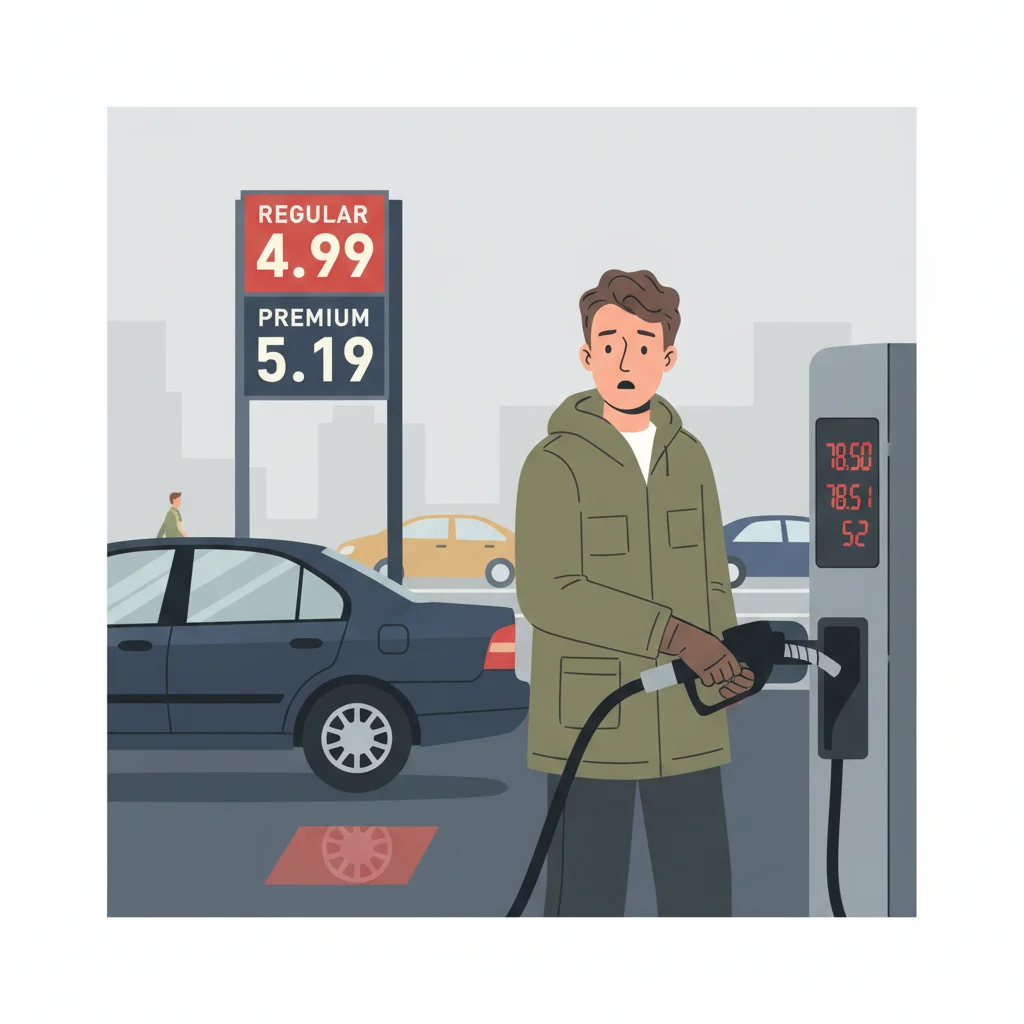
Consider this: if you earned $60,000 in 2025 and inflation was 3% for the year, you would need to earn $61,800 in 2026 just to maintain the same purchasing power. If your salary only increased by 1% to $60,600, you've effectively taken a pay cut in real terms. This phenomenon affects everyone, from retirees on fixed incomes to young professionals trying to save for a down payment. The cost of essential goods like groceries, housing, and transportation steadily climbs, making it harder to stretch your budget. For example, the average cost of a gallon of gasoline in the U.S. has fluctuated significantly, but generally trends upward over decades, illustrating how inflation impacts everyday expenses.
Savings and Investments
Inflation can be a silent thief of your savings. If your money is sitting in a low-interest savings account, its value is likely decreasing in real terms. For instance, if your savings account offers a 0.50% annual interest rate and inflation is 3.5% (as it was in early 2024), your money is losing 3% of its purchasing power each year. This means that after a year, the money in your account can buy 3% less than it could originally, despite earning interest.
For investments, the impact is more nuanced. Some investments perform better during inflationary periods than others.
- Cash and Bonds: Fixed-income investments like traditional savings accounts, certificates of deposit (CDs), and many bonds are particularly vulnerable to inflation. Their fixed interest payments lose value as prices rise. If a bond pays 2% interest and inflation is 4%, your real return is -2%.
- Stocks: Stocks can be a mixed bag. Companies with strong pricing power (the ability to raise prices without losing customers) or those in sectors that benefit from inflation (e.g., energy, commodities) may perform well. However, high inflation can also lead to higher interest rates, which can hurt corporate profits and stock valuations.
- Real Estate: Historically, real estate has been considered a good hedge against inflation. Property values and rental income tend to rise with inflation, providing a tangible asset that retains its value.
- Commodities: Raw materials like gold, silver, oil, and agricultural products often perform well during inflationary times because their prices are directly tied to the cost of goods.
- Treasury Inflation-Protected Securities (TIPS): These are U.S. Treasury bonds specifically designed to protect investors from inflation. Their principal value adjusts with the Consumer Price Index (CPI), so both the principal and interest payments rise with inflation.
Debt and Loans
The effect of inflation on debt is a double-edged sword. For borrowers, inflation can be beneficial if their income rises faster than their interest rates. The fixed payments on a loan, like a 30-year fixed-rate mortgage, become "cheaper" in real terms over time because you're paying back with dollars that are worth less than when you borrowed them. This is why many homeowners benefit from fixed-rate mortgages during periods of high inflation.
However, for lenders, inflation erodes the value of the money they are repaid. This is why interest rates on new loans tend to rise during inflationary periods to compensate lenders for the expected loss of purchasing power. Variable-rate loans, such as adjustable-rate mortgages (ARMs) or credit card debt, can become more expensive as interest rates climb in response to inflation. If you have significant variable-rate debt, rising interest rates can lead to higher monthly payments, putting a strain on your budget.
Retirement Planning
Inflation poses a significant challenge to retirement planning. The money you save today for retirement will need to stretch further in the future due to rising prices. A comfortable retirement income of $50,000 per year today might require $100,000 or more in 20-30 years, assuming a modest 2.5% annual inflation rate.
Many retirement plans, such as traditional pensions, may not fully adjust for inflation, leaving retirees with reduced purchasing power. Social Security benefits do include a cost-of-living adjustment (COLA), but this may not always keep pace with the actual inflation experienced by seniors, particularly regarding healthcare costs. For example, the Social Security Administration announced a 3.2% COLA for 2024, which was a decrease from the 8.7% COLA in 2023, reflecting moderating inflation.
It's crucial to factor in inflation when calculating your retirement needs. This means saving more than you might initially think and investing in assets that have a historical track record of outpacing inflation. Financial advisors often recommend using an inflation assumption of 3-4% when projecting future retirement expenses to ensure a conservative estimate.
Strategies to Protect Your Money from Inflation
Protecting your personal finances from the corrosive effects of inflation requires proactive planning and strategic adjustments. While you can't control the overall economy, you can control how you react to inflationary pressures. Implementing a robust financial strategy can help preserve and even grow your wealth.
Smart Budgeting and Expense Management
Effective budgeting is your first line of defense against inflation. When prices are rising, understanding where your money goes becomes even more critical. Regularly reviewing and adjusting your budget allows you to identify areas where you can cut back or optimize spending.
- Track Your Spending: Use budgeting apps or spreadsheets to meticulously track every dollar. This helps you see exactly how rising prices are impacting your categories like groceries, utilities, and transportation.
- Prioritize Needs vs. Wants: In an inflationary environment, it's essential to distinguish between necessities and discretionary spending. You might need to temporarily reduce spending on entertainment, dining out, or non-essential purchases to cover rising costs for essentials.
- Seek Out Deals and Discounts: Be a savvy shopper. Compare prices, use coupons, buy in bulk when appropriate, and look for sales. Loyalty programs can also offer significant savings over time.
- Reduce Energy Consumption: As energy prices are often a significant driver of inflation, finding ways to conserve energy at home (e.g., better insulation, smart thermostats, unplugging unused electronics) can lead to substantial savings.
- Renegotiate Services: Review your monthly subscriptions (streaming services, gym memberships, internet providers) and look for opportunities to negotiate lower rates or switch to more affordable alternatives.
Investing for Inflation Protection
Investing wisely is perhaps the most powerful tool for combating inflation. The goal is to ensure your investments generate returns that exceed the inflation rate, thereby increasing your real wealth.
Diversify Your Portfolio with Inflation-Resistant Assets
A diversified portfolio is key. Consider including assets that have historically performed well during inflationary periods:
- Stocks (Equities): Focus on companies with strong pricing power and those in essential industries. These businesses can pass on higher costs to consumers without significantly impacting demand. Look for companies with low debt, strong cash flow, and a history of dividend growth. Sectors like energy, materials, and consumer staples often fare better.
- Real Estate: Investing in physical real estate, either directly or through Real Estate Investment Trusts (REITs), can be a good hedge. Property values and rental income tend to rise with inflation. REITs offer a liquid way to invest in real estate without the complexities of direct ownership.
- Commodities: Assets like gold, silver, crude oil, and agricultural products can protect against inflation. They are often seen as a store of value when traditional currencies are losing purchasing power. You can invest in commodities through Exchange-Traded Funds (ETFs) or futures contracts.
- Treasury Inflation-Protected Securities (TIPS): These are U.S. government bonds whose principal value adjusts with the Consumer Price Index (CPI). This means both the principal and the interest payments rise with inflation, guaranteeing a real return. TIPS are one of the most direct ways to hedge against inflation.
- I Bonds (Series I Savings Bonds): These are another excellent inflation-protected savings vehicle offered by the U.S. Treasury. Their interest rate is a combination of a fixed rate and an inflation rate, adjusted every six months. The fixed rate for I bonds purchased between November 2025 and April 2026 is expected to be around 1.30%, with the variable rate adjusting based on inflation. They are limited to $10,000 per person per year, plus an additional $5,000 if purchased with a tax refund.
Review and Adjust Your Investment Strategy
Don't set and forget your investments, especially during periods of high inflation. Regularly review your portfolio's performance against inflation and make adjustments as needed.
- Rebalance Your Portfolio: Ensure your asset allocation remains aligned with your risk tolerance and financial goals. You might need to increase your exposure to inflation-hedging assets.
- Consider Shorter-Duration Bonds: If you hold bonds, shorter-duration bonds are less sensitive to interest rate hikes that often accompany inflation, reducing interest rate risk.
- Avoid Excessive Cash Holdings: While an emergency fund is crucial, holding too much cash beyond that can be detrimental during inflationary periods as its purchasing power erodes.
Managing Debt Strategically
Inflation impacts debt differently for borrowers and lenders. Strategic debt management can turn inflation into an advantage or mitigate its negative effects.
- Prioritize Fixed-Rate Debt: If you have fixed-rate loans (like a traditional mortgage or student loans), inflation can actually work in your favor. Your payments remain constant while the value of the money you're paying back decreases over time.
- Beware of Variable-Rate Debt: High inflation often leads central banks to raise interest rates to cool down the economy. This directly impacts variable-rate debt, such as credit cards, personal lines of credit, and adjustable-rate mortgages (ARMs). Your payments can increase significantly, making debt repayment more challenging.
- Pay Down High-Interest, Variable Debt: Focus on aggressively paying down credit card balances and other high-interest, variable-rate loans. This reduces your exposure to rising interest rates and frees up cash flow.
- Refinance if Possible: If interest rates are still relatively low (or if you can secure a lower fixed rate), consider refinancing variable-rate loans into fixed-rate alternatives. This locks in your payment and protects you from future rate hikes.
Income and Career Growth
Your ability to increase your income is a powerful defense against inflation. If your earnings grow faster than the rate of inflation, your purchasing power actually increases.
- Negotiate Salary Increases: Don't be afraid to negotiate for higher compensation, especially if your skills are in demand. Research average salaries for your role and industry, and be prepared to demonstrate your value. Aim for raises that at least match the inflation rate, plus an additional percentage for real growth.
- Skill Development: Invest in yourself by acquiring new skills or certifications that are valuable in the job market. This can make you more marketable and command higher wages.
- Side Hustles and Additional Income Streams: Consider starting a side hustle or exploring other avenues to generate additional income. This extra cash can help offset rising costs and accelerate savings.
- Job Hopping: Sometimes, the fastest way to a significant salary increase is by switching jobs. Be strategic about career moves to maximize your earning potential.
Protecting Your Retirement
Retirement planning needs to explicitly account for inflation. The money you save today must have sufficient purchasing power decades from now.
- Maximize Contributions: Contribute as much as possible to tax-advantaged retirement accounts like 401(k)s and IRAs. The power of compound interest, especially when invested in growth-oriented assets, is your best ally against long-term inflation. For 2026, the 401(k) contribution limit is expected to be $23,500 ($31,000 for those 50 and over), and the IRA contribution limit is expected to be $7,000 ($8,000 for those 50 and over).
- Invest in Growth Assets: While you should diversify, ensure a significant portion of your retirement portfolio is invested in assets with the potential for long-term growth that can outpace inflation, such as stocks and real estate. As you approach retirement, you might shift to a more conservative allocation, but don't become overly conservative too early.
- Consider Annuities with Inflation Riders: Some annuities offer inflation riders that increase your payments over time, providing a hedge against rising costs in retirement.
- Long-Term Care Insurance: Healthcare costs are a major component of inflation for seniors. Long-term care insurance can help protect your retirement savings from potentially devastating medical expenses.
Specific Financial Planning Considerations in an Inflationary Environment
Navigating inflation requires a nuanced approach to various aspects of personal finance. From tax planning to emergency funds, every component of your financial plan needs to be reviewed through an inflation lens.
Emergency Fund Management
Your emergency fund is critical, but inflation can erode its value. While it's generally recommended to keep 3-6 months of living expenses in an easily accessible, liquid account, consider where you hold this money.
- High-Yield Savings Accounts: While even the best high-yield savings accounts may not fully beat inflation, they will significantly outperform traditional checking or savings accounts. Look for accounts offering rates above 4.50% APY in early 2026, as some online banks do. This helps mitigate the loss of purchasing power.
- Short-Term CDs or Money Market Accounts: For funds beyond your immediate emergency needs (e.g., saving for a down payment in 1-2 years), short-term CDs or money market accounts can offer slightly higher rates than standard savings accounts while maintaining liquidity.
- Re-evaluate Your Emergency Fund Size: As your monthly expenses rise due to inflation, you may need to increase the total amount in your emergency fund to maintain the same coverage (e.g., 6 months of expenses).
Tax Planning and Inflation
Inflation can also impact your tax situation, sometimes in unexpected ways.
- Bracket Creep: If your income rises to keep pace with inflation, you might be pushed into a higher tax bracket, even if your real purchasing power hasn't increased. This is known as "bracket creep." Fortunately, the IRS typically adjusts tax brackets, standard deductions, and other provisions annually for inflation. For example, IRS tax brackets for 2026 are expected to see adjustments based on the CPI to prevent bracket creep.
- Capital Gains: Inflation can make capital gains taxes more burdensome. If you sell an asset that has appreciated in value, you'll pay taxes on the nominal gain. However, a portion of that gain might simply be due to inflation, not a real increase in value.
- Retirement Account Limits: Contribution limits for 401(k)s, IRAs, and other retirement accounts are typically adjusted for inflation each year, allowing you to save more tax-advantaged money. Stay updated on these limits.
Insurance Needs
Inflation also affects your insurance coverage. The cost to replace your home, car, or other insured assets will increase over time.
- Homeowners Insurance: Ensure your homeowners insurance policy has adequate coverage to rebuild your home at current construction costs. Consider adding an inflation guard endorsement, which automatically increases your dwelling coverage each year to keep pace with inflation.
- Auto Insurance: The cost of vehicle repairs and replacement parts can rise with inflation. Review your auto insurance coverage to ensure it's still sufficient.
- Life Insurance: If you have a term life insurance policy, consider if the death benefit would still provide adequate support for your family's needs in an inflationary future. You might need to increase coverage or purchase an additional policy.
- Disability Insurance: Your income replacement needs will also increase with inflation. Ensure your disability policy would provide enough income to maintain your lifestyle if you became unable to work.
Estate Planning
Inflation can impact the real value of your bequests and the effectiveness of your estate plan.
- Specific Bequests: If your will includes specific cash bequests (e.g., "$10,000 to my nephew"), inflation will erode the real value of that gift over time. Consider using percentages of your estate or adjusting amounts periodically.
- Trusts: Review the terms of any trusts to ensure they can adapt to inflationary environments, especially if they involve fixed income distributions.
- Asset Valuation: The value of your assets for estate tax purposes will also increase with inflation. Stay aware of estate tax exemption limits, which are also often adjusted for inflation. The federal estate tax exemption for 2026 is expected to be around $13.61 million per individual, a significant increase from previous years due to inflation adjustments.
| Financial Area | Impact of Inflation | Strategy to Mitigate Impact
The information provided in this article is for educational purposes only and does not constitute financial, investment, or legal advice. Always consult with a qualified financial advisor, tax professional, or legal counsel for personalized guidance tailored to your specific situation before making any financial decisions.
Comments
No comments yet. Be the first to comment!
More from Personal Finance



Explore Related Guides
Expert reviews of Gold IRA companies, rollover guides, fees, and IRS rules.
Comprehensive investment strategies covering stocks, bonds, ETFs, crypto, and real estate.
Compare banking products, interest rates, and strategies to maximize your savings.