
Silver IRA: A Comprehensive Guide to Investing in Physical Silver for Retirement
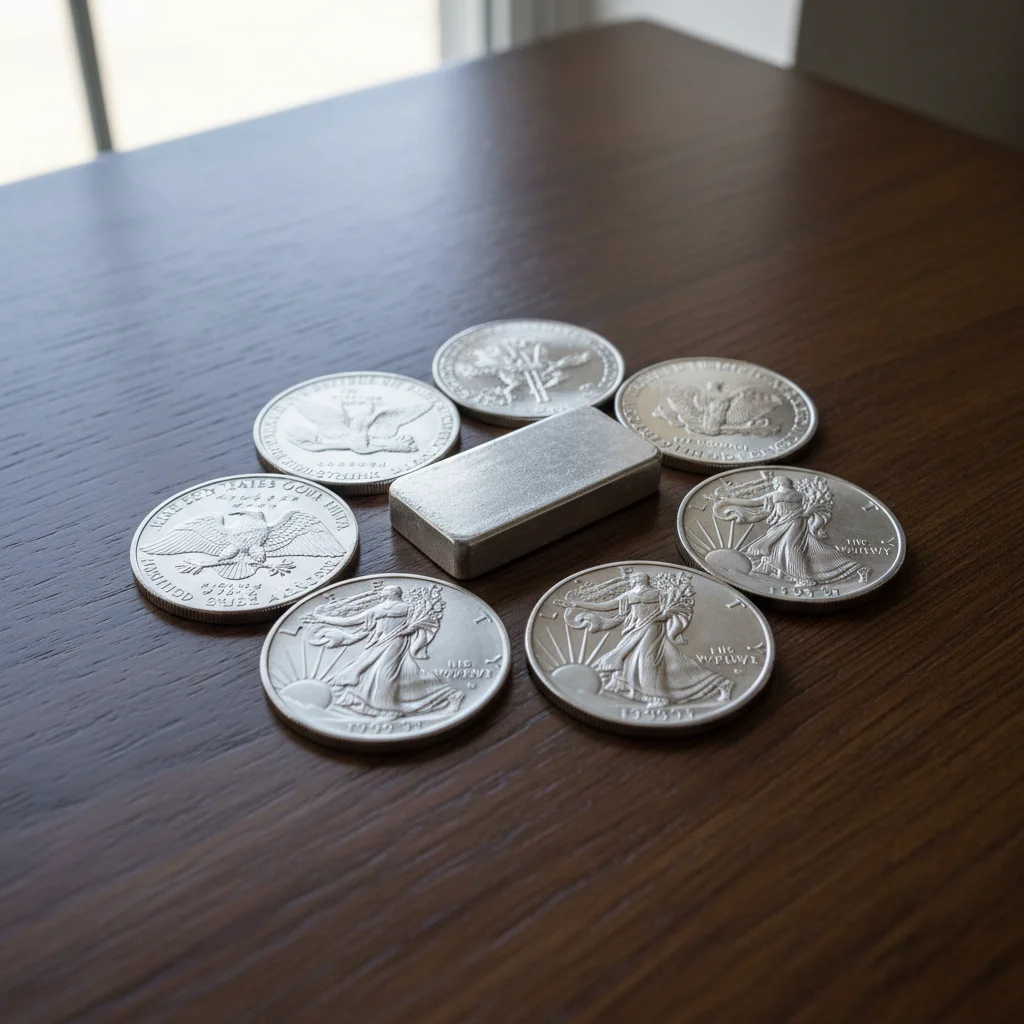
For decades, traditional retirement accounts like 401(k)s and IRAs have been the bedrock of financial planning, primarily investing in stocks, bonds, and mutual funds. However, the inherent volatility of these markets, coupled with concerns about inflation and economic instability, has led many savvy investors to seek alternative assets. According to a 2024 survey by Gallup, 26% of Americans believe gold is the best long-term investment, reflecting a growing interest in tangible assets. Among these, the Silver IRA is emerging as a powerful, yet often misunderstood, option for diversifying retirement portfolios with physical silver. This comprehensive guide will demystify the Silver IRA, explaining its benefits, risks, setup process, and how it can fortify your financial future against economic uncertainties.
Silver IRA Definition: A Silver IRA is a self-directed Individual Retirement Account (SDIRA) that allows investors to hold physical silver bullion, coins, or bars as qualified retirement assets, offering tax-deferred or tax-free growth similar to traditional IRAs.
Understanding the Silver IRA Landscape
A Silver IRA functions much like a traditional IRA, but with a crucial difference: it permits the holding of physical precious metals, specifically investment-grade silver. This unique feature allows investors to harness the potential benefits of silver, such as its role as an inflation hedge and a store of value, within a tax-advantaged retirement structure. Unlike paper assets, physical silver offers a tangible asset that is not subject to the same counterparty risks or market fluctuations as stocks and bonds.
What is a Self-Directed IRA?
The cornerstone of a Silver IRA is the Self-Directed IRA (SDIRA). Unlike conventional IRAs managed by brokerage firms that limit investment options to publicly traded securities, an SDIRA grants the account holder direct control over a broader range of assets. This includes real estate, private equity, and, critically, precious metals like silver. The Internal Revenue Service (IRS) permits SDIRAs to hold these alternative assets, provided they meet specific criteria.
The primary advantage of an SDIRA is the flexibility it offers. Investors can choose their own assets, custodians, and even storage facilities (within IRS guidelines), tailoring their retirement portfolio to their specific financial goals and risk tolerance. This level of control is particularly appealing to those who believe in the long-term value of tangible assets and wish to diversify beyond traditional financial instruments. However, this freedom also comes with increased responsibility, as the investor is solely responsible for due diligence and understanding the complex rules surrounding alternative investments.
Why Consider Silver for Retirement?
Silver has a long and storied history as a store of value, often referred to as "poor man's gold" due to its more accessible price point. However, its value extends far beyond its monetary history. Silver is a critical industrial metal, used in everything from electronics and solar panels to medical devices and electric vehicles. This dual demand—as both a monetary and industrial commodity—gives silver a unique market dynamic that can be beneficial for retirement planning.
Historically, silver has demonstrated its ability to act as a hedge against inflation. When the purchasing power of fiat currencies declines, the value of tangible assets like silver often rises, preserving wealth. For instance, during periods of high inflation in the 1970s and again in the early 2000s, silver prices surged significantly. Furthermore, silver tends to perform well during economic downturns, as investors flock to safe-haven assets. Its lower correlation with traditional financial markets can help reduce overall portfolio volatility, making it an attractive diversification tool for long-term retirement savings.
Silver vs. Gold in an IRA
While both gold and silver are popular choices for precious metals IRAs, they possess distinct characteristics that appeal to different investment strategies. Gold is often seen as the ultimate safe haven, a traditional store of wealth, and a hedge against systemic risk. Its price stability and high value density make it a preferred choice for large-scale wealth preservation.
Silver, on the other hand, offers more volatility and potentially higher upside potential due to its significant industrial demand. Because silver is consumed in manufacturing, its price can be more sensitive to economic growth and technological advancements. This industrial demand also means that silver supplies are depleted, unlike gold which is primarily held and recycled. Silver's lower price per ounce also makes it more accessible for smaller investments and offers greater liquidity for smaller transactions. For example, if an investor needs to liquidate a small portion of their precious metals, selling a few ounces of silver might be easier than selling a full gold coin. Many investors choose to include both metals in their portfolio to benefit from the unique attributes of each.
| Feature | Silver IRA | Gold IRA |
|---|---|---|
| Price Point | Generally lower per ounce | Generally higher per ounce |
| Volatility | More volatile, higher growth potential | Less volatile, more stable |
| Industrial Use | High demand (electronics, solar, medical) | Limited industrial demand |
| Monetary History | Long history as currency and store of value | Ultimate safe haven, traditional wealth store |
| Liquidity | Easier for smaller transactions | Easier for larger transactions |
| Inflation Hedge | Strong hedge | Strong hedge |
| Diversification | Excellent for portfolio diversification | Excellent for portfolio diversification |
The Benefits and Risks of a Silver IRA
Investing in a Silver IRA offers a unique blend of advantages and potential drawbacks that prospective investors must carefully weigh. Understanding these facets is crucial for making an informed decision about whether a Silver IRA aligns with your retirement planning goals and risk tolerance.
Advantages of Including Silver in Your Retirement Portfolio
The appeal of a Silver IRA stems from several key benefits that address common concerns about traditional retirement investments.
Inflation Hedge: Silver has historically proven to be an effective hedge against inflation. As the cost of living rises and the purchasing power of fiat currencies erodes, tangible assets like silver often increase in value, preserving your wealth. For instance, during the inflationary period of the 1970s, silver prices soared by over 1,000%. More recently, with global central banks expanding monetary supply, many investors are turning to silver to protect their savings.
Portfolio Diversification: Adding physical silver to a retirement portfolio can significantly reduce overall risk. Silver's price movements often have a low or negative correlation with stocks and bonds. This means that when traditional markets are performing poorly, silver may hold its value or even increase, providing a counterbalance. A diversified portfolio is generally more resilient to market shocks, as highlighted by financial experts who recommend diversifying across asset classes.
Tangible Asset & Store of Value: Unlike paper assets, silver is a physical commodity that you can see and touch (though held by a custodian). It carries no counterparty risk, meaning its value isn't dependent on the solvency of a bank or corporation. This tangibility offers a sense of security, especially during times of economic uncertainty or geopolitical instability. It has been recognized as a store of value for millennia.
Industrial Demand: Beyond its monetary role, silver is a vital industrial metal. It's used in countless applications, including solar panels, electric vehicles, electronics, medical equipment, and photography. This robust industrial demand provides a fundamental floor for its price and offers additional growth potential as technology advances and global industrialization continues. The rise of green technologies, in particular, is projected to increase silver demand significantly in the coming years.
Potential for Growth: While silver can be volatile, its industrial utility and relatively smaller market size compared to gold mean it can experience more significant price swings and potentially higher percentage gains during bull markets. For investors seeking higher growth potential within the precious metals sector, silver can be an attractive option.
Potential Risks and Downsides
Despite its advantages, a Silver IRA is not without its risks and potential downsides. Prudent investors must be aware of these factors.
Price Volatility: Silver's price is notoriously more volatile than gold's. While this can lead to higher gains, it also means greater potential for losses. Its dual role as a monetary metal and an industrial commodity makes it susceptible to both economic sentiment and industrial demand fluctuations. Investors must have a high tolerance for risk and a long-term perspective when including silver in their IRA.
Storage Costs: Unlike paper assets, physical silver requires secure storage in an approved depository. These depositories charge annual storage fees, which can eat into returns, especially for smaller portfolios. These fees typically range from 0.5% to 1% of the asset's value per year, though they can vary.
Custodial Fees: A self-directed IRA requires a custodian to manage the account and ensure IRS compliance. Custodians charge annual administrative fees, which can range from $50 to $300+ per year, depending on the custodian and account size. These fees are in addition to storage costs.
Liquidity Concerns: While silver is generally considered liquid, converting physical silver held in a depository back into cash can take more time and involve more steps than selling stocks or mutual funds. Finding a buyer, arranging shipment from the depository, and verifying authenticity can add to the transaction time and potentially incur additional costs.
IRS Regulations and Penalties: The IRS has strict rules regarding what types of silver are permissible in an IRA and how they must be stored. Non-compliance can lead to severe penalties, including taxes on distributions and additional excise taxes. Understanding and adhering to these regulations is paramount, and often requires the guidance of experienced professionals. For example, collectible coins are generally not allowed, and the silver must be of a certain fineness.
No Income Generation: Unlike dividend stocks or interest-bearing bonds, physical silver does not generate income. Its return comes solely from capital appreciation. This can be a disadvantage for investors seeking regular income streams from their retirement accounts.
Setting Up Your Silver IRA: A Step-by-Step Guide
Establishing a Silver IRA involves several distinct steps, each requiring careful attention to detail to ensure compliance with IRS regulations and to safeguard your investment. This process is more involved than opening a traditional IRA, primarily due to the unique nature of holding physical precious metals.
Step 1: Choose a Self-Directed IRA Custodian
The first and most critical step is selecting a reputable Self-Directed IRA (SDIRA) custodian. Unlike traditional IRA custodians (like Vanguard or Fidelity) that deal with conventional securities, an SDIRA custodian specializes in alternative assets, including precious metals. They are responsible for administering your account, handling transactions, and ensuring that all investments comply with IRS rules.
When choosing a custodian, consider the following:
- Experience and Reputation: Look for custodians with a long track record in the precious metals IRA space. Check online reviews, industry ratings, and regulatory standing.
- Fees: Compare setup fees, annual administrative fees, transaction fees, and storage fees. These can vary significantly and impact your overall returns.
- Customer Service: A responsive and knowledgeable customer service team is crucial, as you'll likely have questions throughout the process.
- Approved Depositories: Ensure the custodian works with IRS-approved non-bank depositories for secure storage of your silver.
- Transparency: The custodian should clearly outline all costs, processes, and compliance requirements.
Some well-known SDIRA custodians include Equity Trust Company, Kingdom Trust, and Strata Trust Company. It's advisable to interview several custodians and compare their offerings before making a decision.
Step 2: Fund Your Silver IRA
Once you've chosen a custodian and opened your SDIRA, the next step is to fund it. There are several ways to do this, depending on your current financial situation:
Direct Contribution: You can make annual contributions to your Silver IRA, subject to IRS limits. For 2025, the contribution limit is $7,000 for those under 50 and $8,000 for those 50 and over. These contributions can be tax-deductible for Traditional IRAs or tax-free upon withdrawal for Roth IRAs, depending on your income and filing status.
IRA Rollover: If you have an existing Traditional, Roth, SEP, or SIMPLE IRA, you can roll over funds into your new SDIRA. This is a tax-free transfer of assets from one IRA to another. You can either perform a direct rollover, where the funds are sent directly from your old custodian to your new SDIRA custodian, or an indirect rollover, where you receive the funds and have 60 days to deposit them into the new IRA. Direct rollovers are generally recommended to avoid potential tax implications and penalties.
401(k) Rollover: If you have an old 401(k) from a previous employer, you can typically roll these funds into your Silver IRA. This is a popular option for individuals looking to gain more control over their retirement assets. Active 401(k)s with current employers usually cannot be rolled over unless you meet specific criteria (e.g., age 59½ or separation from service).
Your SDIRA custodian will provide the necessary forms and guide you through the funding process, ensuring all transfers are handled correctly to maintain tax-advantaged status.
Step 3: Purchase IRS-Approved Silver
With your SDIRA funded, you can now purchase eligible silver. The IRS has strict guidelines on the types of precious metals that can be held in an IRA. For silver, it must meet a minimum fineness of .999 (99.9% pure).
Common examples of IRS-approved silver products include:
- American Silver Eagles: U.S. Mint bullion coins, highly popular and recognized.
- Canadian Silver Maple Leafs: Canadian Mint bullion coins, also .9999 fine.
- Austrian Silver Philharmonics: European bullion coins.
- Silver Rounds and Bars: From recognized refiners like Johnson Matthey, PAMP Suisse, or Engelhard, meeting the .999 fineness requirement.
Crucially, collectible coins, such as numismatic or rare coins, are generally NOT permitted in an IRA. The IRS views these as "collectibles," which are typically subject to different tax rules and penalties if held in an IRA. Always verify with your custodian and precious metals dealer that the silver products you intend to purchase are IRS-approved for IRA inclusion.
Your SDIRA custodian will facilitate the purchase through a reputable precious metals dealer. You will instruct your custodian to use the funds in your SDIRA to buy the silver on your behalf.
Step 4: Arrange for Secure Storage
Once purchased, your silver cannot be stored at home or in a personal safe deposit box. The IRS mandates that all IRA-held precious metals must be stored in an IRS-approved non-bank depository. These facilities are highly secure, insured, and regularly audited.
Your SDIRA custodian will typically have established relationships with several approved depositories. Common choices include Delaware Depository, Brinks, and Malca-Amit. When arranging storage, you'll need to consider:
- Segregated vs. Non-Segregated Storage:
- Segregated storage means your specific silver bars or coins are kept separate from other investors' assets and are identifiable by serial number. This often comes with a higher fee.
- Non-segregated (or commingled) storage means your silver is pooled with other investors' silver of the same type and quality. You own a specific quantity of silver, but not specific, identifiable pieces. This is generally less expensive.
- Most investors opt for segregated storage for peace of mind, though non-segregated is perfectly acceptable under IRS rules.
- Insurance: Ensure the depository provides comprehensive insurance coverage for your assets against theft, damage, or loss.
- Location: While not a primary concern for most, some investors prefer depositories in specific geographic regions.
The custodian will handle the logistics of transferring the silver from the dealer to the chosen depository, ensuring proper documentation and chain of custody.
Step 5: Ongoing Management and Compliance
After your Silver IRA is set up and funded, ongoing management involves monitoring your investment, understanding distribution rules, and ensuring continued compliance.
- Annual Statements: Your custodian will provide annual statements detailing your account value, holdings, and any transactions.
- Fair Market Value (FMV) Reporting: Custodians are required to report the fair market value of your assets to the IRS annually.
- Contribution Limits: Be mindful of annual contribution limits and any catch-up contributions if you are over 50.
- Required Minimum Distributions (RMDs): Like traditional IRAs, Silver IRAs are subject to RMDs once you reach age 73 (or 72 if born between 1951-1959). You will need to liquidate a portion of your silver or other assets to satisfy these distributions.
- Prohibited Transactions: The IRS strictly prohibits certain transactions, such as taking personal possession of your IRA silver before retirement age (this is considered a taxable distribution and can incur penalties). Borrowing against your IRA assets or selling them to a disqualified person (e.g., yourself, your spouse, or certain family members) is also forbidden.
Working closely with your custodian and potentially a financial advisor specializing in SDIRAs will help ensure you remain compliant and make the most of your Silver IRA investment.
Taxation and Distribution Rules for Silver IRAs
Understanding the tax implications and distribution rules for a Silver IRA is paramount to avoiding penalties and maximizing your retirement savings. These rules largely mirror those of traditional and Roth IRAs, but with the added layer of complexity that comes with holding physical assets.
Tax Advantages of a Silver IRA
The primary allure of a Silver IRA, like any IRA, lies in its tax-advantaged status. Depending on whether you choose a Traditional or Roth Silver IRA, you can benefit from different tax breaks:
- Traditional Silver IRA:
- Tax-Deductible Contributions: Contributions to a Traditional Silver IRA may be tax-deductible in the year they are made, reducing your current taxable income. The deductibility depends on your income, filing status, and whether you or your spouse are covered by a retirement plan at work.
- Tax-Deferred Growth: Your silver investments grow tax-deferred. This means you don't pay capital gains tax or income tax on the appreciation of your silver or any "income" it generates (though physical silver doesn't generate income) until you withdraw the funds in retirement. This allows your investment to compound more effectively over time.
- Taxable Withdrawals in Retirement: When you take distributions in retirement (typically after age 59½), these withdrawals are taxed as ordinary income. The assumption is that you will be in a lower tax bracket during retirement.
- Roth Silver IRA:
- After-Tax Contributions: Contributions to a Roth Silver IRA are made with after-tax dollars, meaning they are not tax-deductible.
- Tax-Free Growth and Withdrawals: The significant advantage of a Roth Silver IRA is that both your investment growth and qualified withdrawals in retirement are completely tax-free. To be considered qualified, withdrawals must occur after age 59½ and after the account has been open for at least five years.
- No RMDs for Original Owner: Unlike Traditional IRAs, Roth IRAs do not have Required Minimum Distributions (RMDs) for the original owner, offering greater flexibility in how and when you take your money out.
The choice between a Traditional and Roth Silver IRA depends on your current income, anticipated future income, and tax planning strategy. If you expect to be in a higher tax bracket in retirement, a Roth IRA might be more beneficial. If you expect to be in a lower tax bracket, a Traditional IRA might be preferable.
Understanding Required Minimum Distributions (RMDs)
For Traditional Silver IRAs (and SEP/SIMPLE IRAs), the IRS mandates that you begin taking Required Minimum Distributions (RMDs) once you reach a certain age. The age for RMDs has changed over time:
- Born in 1950 or earlier: RMDs started at age 70½.
- Born between 1951-1959: RMDs start at age 73.
- Born in 1960 or later: RMDs start at age 73.
Your custodian will calculate your RMD amount based on your account balance at the end of the previous year and your life expectancy. To satisfy an RMD from a Silver IRA, you have two primary options:
Liquidate Silver: You can instruct your custodian to sell a portion of your silver holdings equal to the RMD amount. The cash proceeds are then distributed to you and taxed as ordinary income.
Distribute In-Kind: In some cases, you may be able to take an "in-kind" distribution, meaning the physical silver itself is distributed to you. However, this is a complex transaction. The fair market value of the distributed silver at the time of distribution is considered your taxable income. You would then be responsible for securely transporting and storing the physical silver yourself. Most investors opt for liquidation due to the complexities and security concerns of in-kind distributions.
Failing to take your RMDs, or taking less than the required amount, can result in a 10% excise tax on the amount not withdrawn, which can increase to 25% if not corrected in a timely manner. This penalty underscores the importance of working closely with your custodian to ensure timely RMD compliance.
Early Withdrawal Penalties
Like all IRAs, Silver IRAs are designed for retirement savings. Taking distributions before age 59½ typically incurs a 10% early withdrawal penalty, in addition to the distribution being taxed as ordinary income (for Traditional IRAs).
There are a few exceptions to this rule, including:
- Disability: If you become permanently disabled.
- Death: Distributions to beneficiaries after your death.
- First-time Home Purchase: Up to $10,000 for a first-time home purchase.
- Qualified Higher Education Expenses: For yourself, spouse, children, or grandchildren.
- Unreimbursed Medical Expenses: Exceeding 7.5% of your Adjusted Gross Income (AGI).
- Health Insurance Premiums: If you are unemployed.
- Substantially Equal Periodic Payments (SEPP): A series of payments based on your life expectancy.
It's critical to understand these exceptions and consult with a tax professional before considering any early withdrawals from your Silver IRA to avoid unexpected penalties.
Prohibited Transactions
The IRS has specific rules to prevent self-dealing and conflicts of interest within SDIRAs. These are known as prohibited transactions and can lead to severe consequences, including the disqualification of your entire IRA, making all assets immediately taxable and subject to penalties.
Key prohibited transactions include:
- Taking Personal Possession of IRA Silver: You cannot store your IRA silver at home or in a personal safe deposit box. This is considered a taxable distribution and a prohibited transaction.
- Selling or Buying Assets from Disqualified Persons: You cannot buy silver from yourself, your spouse, your lineal descendants (children, grandchildren), or certain fiduciaries. Similarly, you cannot sell your IRA silver to these individuals.
- Using IRA Assets for Personal Benefit: For example, you cannot use your IRA silver as collateral for a personal loan.
- Borrowing from Your IRA: This is strictly prohibited.
Adhering to these rules is crucial. Your SDIRA custodian plays a vital role in ensuring compliance, but the ultimate responsibility lies with the account holder. Always clarify any potential transactions with your custodian and a tax advisor specializing in SDIRAs.
Choosing Your Silver: IRS-Approved Products and Storage
The specific types of silver allowed in a Silver IRA are strictly defined by the IRS. Not just any silver coin or bar qualifies. Understanding these requirements and the intricacies of storage is essential for a compliant and successful Silver IRA.
IRS-Approved Silver Products
For silver to be held in an IRA, it must meet a minimum fineness of .999 (99.9% pure). The IRS specifies that "coins, bars, rounds, or other forms of silver must be produced by a national government mint or a refiner/manufacturer accredited by NYMEX/COMEX, ISO 9001, or a national government mint."
Here are some of the most popular and commonly approved silver products:
- American Silver Eagle Coins: These are 1-ounce silver bullion coins minted by the United States Mint. They are universally recognized and highly liquid. Their fineness is .999.
- Canadian Silver Maple Leaf Coins: Produced by the Royal Canadian Mint, these 1-ounce coins are renowned for their .9999 fineness (four nines fine), making them one of the purest silver bullion coins available.
- Austrian Silver Philharmonic Coins: Minted by the Austrian Mint, these 1-ounce coins also boast .999 fineness and are popular in Europe and North America.
- Mexican Silver Libertad Coins: From the Mexican Mint, these coins are .999 fine and feature an iconic design.
- Silver Bars and Rounds: These are typically available in various weights (1 oz, 5 oz, 10 oz, 100 oz, 1000 oz) from approved private mints and refiners. Examples include PAMP Suisse, Johnson Matthey, Engelhard, and Sunshine Minting. They must also meet the .999 fineness requirement.
What is NOT allowed? Crucially, collectible coins, numismatic coins, or rare coins are generally not permitted in a Silver IRA. The IRS considers these "collectibles," and holding them in an IRA can result in the account being disqualified and subject to immediate taxation and penalties. The distinction lies in whether the value is primarily derived from the metal content (bullion) or its rarity and collector appeal (numismatic). Always confirm with your custodian and dealer that any silver product you intend to purchase is specifically IRA-eligible.
Choosing a Reputable Precious Metals Dealer
Your SDIRA custodian will facilitate the purchase of silver, but you will typically choose the dealer from whom the silver is bought. Selecting a reputable dealer is vital to ensure you receive genuine, IRA-eligible products at fair prices.
When evaluating dealers, consider:
- Reputation and Reviews: Look for dealers with a long-standing history, positive customer reviews, and high ratings from organizations like the Better Business Bureau.
- Transparency in Pricing: Reputable dealers will clearly list their prices, including premiums over spot price, and avoid hidden fees. Compare prices from several dealers.
- IRA Specialization: Many dealers specialize in precious metals IRAs and understand the specific IRS requirements.
- Buyback Programs: Inquire about their buyback policies, which can be important when it comes to take distributions.
- Accreditations: Check for accreditations from industry bodies or recognition by major mints.
Your custodian may have a list of preferred dealers, but you are generally free to choose any dealer that meets their compliance standards.
Secure and IRS-Approved Storage Facilities
As mentioned, IRS regulations strictly prohibit storing IRA-held precious metals at home or in a personal safe deposit box. Your silver must be held in an IRS-approved non-bank depository. These facilities offer high levels of security, insurance, and accountability.
Key features of approved depositories:
- High Security: Depository facilities employ advanced security measures, including 24/7 surveillance, armed guards, biometric access controls, and multi-layered vaults.
- Comprehensive Insurance: Your precious metals are fully insured against theft, damage, or loss. The insurance coverage should be clearly stated by the depository and your custodian.
- Regular Audits: Approved depositories undergo regular audits to verify the existence and integrity of assets stored.
- Chain of Custody: They maintain a strict chain of custody, ensuring that your assets are properly tracked from purchase to storage to eventual distribution.
- Segregated vs. Commingled Storage:
- Segregated Storage: Your specific silver bars or coins are kept in a separate compartment or vault and are identifiable as yours, often by serial number. This provides the highest level of assurance but typically comes with higher fees.
- Commingled (or Non-Segregated) Storage: Your silver is stored alongside other investors' silver of the same type and fineness. You own a specific quantity of silver, but not specific, identifiable pieces. This is generally more cost-effective. Both options are IRS-compliant.
Your SDIRA custodian will arrange for the secure transport of your purchased silver directly from the dealer to the chosen depository. You will receive documentation confirming the receipt and storage of your assets. This ensures that you never take personal possession of the silver, which would trigger a taxable event and potential penalties.
Maximizing Your Silver IRA: Strategies and Considerations
A Silver IRA can be a powerful tool for retirement diversification, but strategic planning and ongoing vigilance are crucial for maximizing its benefits. Beyond the initial setup, investors should consider various factors to optimize their investment.
Diversification Beyond Silver
While a Silver IRA focuses on physical silver, it's essential to remember that it's just one component of a broader retirement strategy. Over-reliance on any single asset class, even precious metals, can expose you to undue risk. Financial advisors consistently recommend a diversified portfolio that includes a mix of assets, such as:
- Stocks: Growth potential, equity ownership.
- Bonds: Income generation, lower volatility.
- Real Estate: Tangible asset, potential for appreciation and income.
- Other Precious Metals: Gold, platinum, and palladium can offer different risk/reward profiles and further diversification within the precious metals sector. For example, platinum and palladium have strong industrial demand, particularly in the automotive industry, which can drive their prices independently of gold or silver.
- Cash Equivalents: For liquidity and emergency funds.
A Silver IRA should complement, not replace, a well-rounded retirement plan. Consider your overall asset allocation and how silver fits into your long-term financial goals and risk tolerance. According to a 2024 survey by the Investment Company Institute, 61% of U.S. households own mutual funds, highlighting the continued importance of broader market exposure.
Monitoring Market Trends and Economic Indicators
The price of silver is influenced by a complex interplay of factors. Staying informed about these trends can help you make more strategic decisions regarding your Silver IRA.
Key indicators to watch include:
- Inflation Rates: High inflation often boosts silver prices as investors seek to preserve purchasing power.
- Interest Rates: Rising interest rates can make non-yielding assets like silver less attractive compared to interest-bearing investments.
- U.S. Dollar Strength: A weaker U.S. dollar generally makes dollar-denominated commodities like silver more affordable for international buyers, increasing demand.
- Industrial Demand: Reports on manufacturing output, technological advancements (e.g., solar panel production, EV growth), and global economic growth can impact silver's industrial demand.
- Mining Supply: Disruptions in silver mining or discoveries of new deposits can affect supply and, consequently, price.
- Geopolitical Events: Wars, political instability, and global crises often drive investors to safe-haven assets like silver.
While you shouldn't attempt to time the market, understanding these macro-economic forces can provide context for silver's performance and help you assess when to potentially add to your holdings or consider rebalancing.
Rebalancing Your Portfolio
Periodically rebalancing your retirement portfolio is a sound financial practice. This involves adjusting your asset allocation back to your target percentages. For example, if silver has performed exceptionally well and now represents a larger portion of your portfolio than intended, you might consider:
- Selling a portion of your silver: This would mean liquidating some silver within your IRA and reinvesting the proceeds into other assets that are below their target allocation, or holding it as cash within the IRA.
- Adding to other assets: If silver's value has declined, you might consider adding more silver if you believe in its long-term potential, or adding to other underperforming assets to bring your portfolio back into balance.
Rebalancing helps maintain your desired risk level and ensures you're not overly exposed to any single asset class. It also forces you to "buy low and sell high" by trimming assets that have performed well and adding to those that have underperformed. Most financial advisors recommend rebalancing at least once a year or when an asset class deviates significantly (e.g., by 5-10%) from its target allocation.
Planning for Distributions
Thinking ahead about how you will take distributions from your Silver IRA is crucial, especially as you approach retirement age.
- RMD Strategy: If you have a Traditional Silver IRA, plan how you will meet your RMDs. Will you liquidate silver each year, or will you take in-kind distributions (if your custodian allows and you're prepared for the logistics)? Discuss this with your custodian and a tax advisor.
- Tax Implications: Understand the tax implications of distributions. For Traditional IRAs, withdrawals are taxed as ordinary income. For Roth IRAs, qualified withdrawals are tax-free.
- Liquidation Process: Familiarize yourself with your custodian's and dealer's liquidation process. How long does it take to sell silver and receive cash? Are there any specific fees associated with selling?
- Estate Planning: Consider how your Silver IRA will be handled as part of your overall estate plan. Who are your beneficiaries, and how will they receive the assets?
A well-thought-out distribution strategy can help minimize taxes and ensure a smooth transition into retirement.
By taking a proactive and informed approach to managing your Silver IRA, you can harness its potential to strengthen your financial security and achieve your long-term retirement objectives. Remember, the goal is not just to invest in silver, but to integrate it intelligently into a holistic and resilient retirement plan.
Frequently Asked Questions
What is a Silver IRA and how does it work?
A Silver IRA is a self-directed Individual Retirement Account (SDIRA) that allows you to invest in physical silver bullion, coins, or bars for retirement. It works by having a specialized custodian manage your account, facilitate the purchase of IRS-approved silver from a dealer, and arrange for its secure storage in an approved depository, all while offering tax-deferred or tax-free growth.
What types of silver are allowed in a Silver IRA?
The IRS requires silver in an IRA to be at least .999 (99.9%) pure. Common examples include American Silver Eagles, Canadian Silver Maple Leafs, Austrian Silver Philharmonics, and silver bars/rounds from approved refiners. Collectible or numismatic coins are generally not permitted.
Can I store my Silver IRA at home?
No, the IRS strictly prohibits storing your IRA-held silver at home or in a personal safe deposit box. All precious metals in an IRA must be stored in an IRS-approved non-bank depository, which offers high security and insurance. Taking personal possession is considered a taxable distribution and can incur penalties.
What are the fees associated with a Silver IRA?
Fees typically include a one-time setup fee, annual administrative fees charged by the SDIRA custodian (e.g., $50-$300+), and annual storage fees charged by the depository (e.g., 0.5%-1% of asset value). There may also be transaction fees for buying or selling silver.
How do I fund a Silver IRA?
You can fund a Silver IRA through direct contributions (subject to annual IRS limits), a tax-free rollover from an existing Traditional, Roth, SEP, or SIMPLE IRA, or a rollover from an old 401(k) or other employer-sponsored retirement plan.
What are the tax benefits of a Silver IRA?
A Traditional Silver IRA offers tax-deductible contributions and tax-deferred growth, with withdrawals taxed as ordinary income in retirement. A Roth Silver IRA uses after-tax contributions but allows for tax-free growth and tax-free withdrawals in retirement, provided certain conditions are met.
What happens when I need to take distributions from my Silver IRA?
When you reach retirement age (or RMD age for Traditional IRAs), you can instruct your custodian to liquidate a portion of your silver holdings, and the cash proceeds will be distributed to you. These distributions are then taxed according to your IRA type. In-kind distributions of physical silver are also possible but involve more complexity.
Key Takeaways
- Diversification and Inflation Hedge: A Silver IRA provides a tangible asset that can hedge against inflation and diversify a retirement portfolio away from traditional stocks and bonds.
- Self-Directed Control: It utilizes a Self-Directed IRA (SDIRA), giving investors control over their asset choices, including physical silver.
- IRS Compliance is Crucial: Only specific types of silver (.999 fineness) are allowed, and they must be stored in IRS-approved non-bank depositories, not at home.
- Tax Advantages: Silver IRAs offer tax-deferred growth (Traditional) or tax-free growth and withdrawals (Roth), similar to other IRA types.
- Fees and Liquidity: Be aware of custodial fees, storage fees, and potential liquidity differences compared to paper assets.
- Long-Term Strategy: Silver is generally a long-term investment, and investors should be prepared for its price volatility and integrate it into a broader, diversified retirement plan.
- Prohibited Transactions: Avoid self-dealing or taking personal possession of your IRA silver to prevent severe tax penalties.
Conclusion
In an ever-changing economic landscape, the Silver IRA stands out as a compelling option for investors seeking to fortify their retirement portfolios with tangible assets. By allowing physical silver to be held within a tax-advantaged structure, it offers a unique blend of inflation protection, diversification, and potential growth that traditional investments often lack. While the process of setting up and managing a Silver IRA requires careful attention to IRS regulations and associated fees, the long-term benefits of holding a historically proven store of value can be substantial.
As you plan for your financial future, consider how a Silver IRA could complement your existing strategies, providing a hedge against market volatility and economic uncertainty. Educate yourself, choose reputable partners, and integrate this powerful tool thoughtfully into your comprehensive retirement plan. Taking these steps today can help ensure a more secure and diversified tomorrow. For further exploration of precious metals investing, consider reviewing our guide to Gold IRAs or understanding the role of precious metals in retirement.
Disclaimer: This article is for informational and educational purposes only and does not constitute financial, investment, or tax advice. Always consult a qualified financial advisor before making investment decisions.
The information provided in this article is for educational purposes only and does not constitute financial, investment, or legal advice. Always consult with a qualified financial advisor, tax professional, or legal counsel for personalized guidance tailored to your specific situation before making any financial decisions.
Comments
No comments yet. Be the first to comment!
More from Gold IRA


Explore Related Guides
Comprehensive investment strategies covering stocks, bonds, ETFs, crypto, and real estate.
Compare banking products, interest rates, and strategies to maximize your savings.
Master budgeting, debt management, taxes, and financial planning for your situation.