
Platinum IRA: Overlooked Precious Metal for Diversification
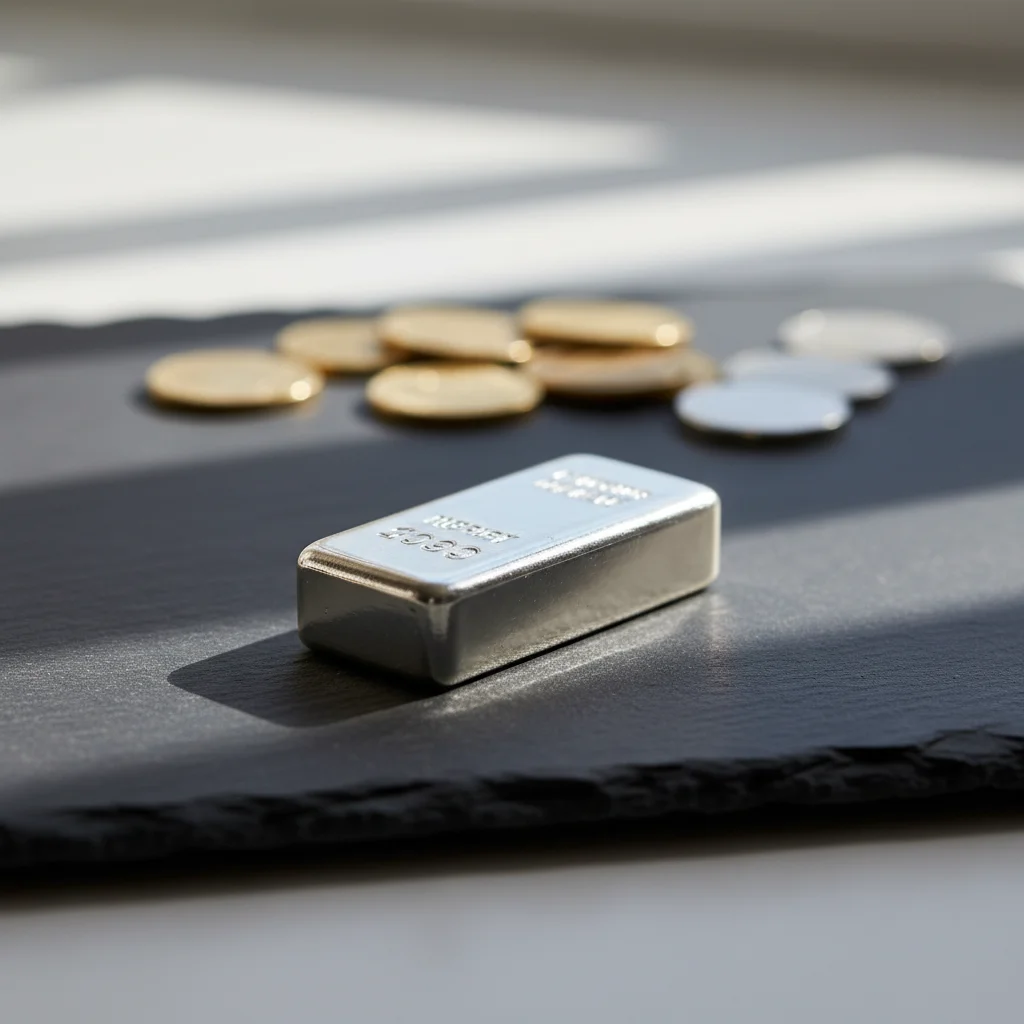
In the complex and often volatile world of financial markets, investors are constantly seeking avenues to safeguard their wealth, mitigate risks, and enhance long-term growth potential. While gold and silver have historically dominated the conversation surrounding precious metals as investment vehicles, platinum, with its unique characteristics and compelling market dynamics, often remains an overlooked, yet powerful, asset for strategic portfolio diversification, particularly within a self-directed Individual Retirement Account (IRA). This comprehensive guide delves into the multifaceted appeal of platinum, exploring its intrinsic value, industrial significance, market behavior, and the practicalities of integrating it into a retirement strategy through a Platinum IRA.
The Allure of Platinum: Rarity, Utility, and Investment Potential At its core, platinum's investment appeal stems from a potent combination of extreme rarity and indispensable industrial utility. To truly appreciate its value, one must understand these foundational elements.
Unparalleled Rarity: A Geological Marvel Platinum is not merely "rare"; it is exceptionally so. Geologists estimate that the total amount of platinum ever mined throughout history is a mere fraction of the gold extracted. To put this into perspective, platinum is approximately 30 times rarer than gold. If all the platinum ever mined were poured into an Olympic-sized swimming pool, it would barely cover your ankles. In contrast, gold would fill three such pools. This scarcity is due to its unique geological formation, primarily found in concentrated deposits in only a few regions globally, with South Africa accounting for over 70% of the world's supply. Russia, Zimbabwe, Canada, and the United States contribute smaller, but still significant, amounts. This concentrated supply chain inherently introduces geopolitical risks and supply disruptions, which can significantly impact its market price. The sheer difficulty and cost associated with extracting platinum further contribute to its limited availability and high intrinsic value. Unlike gold, which is often found in veins and alluvial deposits, platinum is typically found in complex ore bodies, requiring extensive mining operations and sophisticated refining processes.
Indispensable Industrial Demand: The Engine of Modernity While gold's primary demand drivers are jewelry and investment, platinum's story is far more intertwined with industrial applications. Its unique physical and chemical properties make it irreplaceable in numerous critical sectors, creating a robust baseline demand that underpins its market value. The most significant industrial application, consuming roughly 40-50% of annual platinum supply, is in automotive catalytic converters. These devices are essential for reducing harmful emissions from internal combustion engines, converting toxic pollutants like carbon monoxide, nitrogen oxides, and unburnt hydrocarbons into less harmful substances. As global environmental regulations tighten, particularly in major economies like China, Europe, and the United States, the demand for platinum in this sector remains strong. Even with the rise of electric vehicles (EVs), hybrid vehicles still utilize catalytic converters, and the transition to a fully electric fleet will take decades, ensuring continued demand in the interim. Moreover, platinum group metals (PGMs) are increasingly being explored for use in fuel cells, particularly hydrogen fuel cells, which could represent a significant new demand vector as the world shifts towards a hydrogen economy. Beyond automotive, platinum's utility extends to a diverse range of industries:
**Jewelry (approximately 25-30% of demand):** Platinum's natural white luster, durability, and hypoallergenic properties make it highly prized for fine jewelry, especially in Asia (particularly China and Japan) and the United States. Its resistance to tarnish and corrosion ensures that platinum jewelry retains its beauty for generations.
**Petroleum Refining:** Platinum acts as a catalyst in the production of high-octane gasoline and other petrochemical products.
**Chemical Industry:** It is vital for the production of nitric acid, silicones, and other essential chemicals. Its catalytic properties are unmatched in many industrial processes.
**Medical and Dental Applications:** Platinum's biocompatibility and corrosion resistance make it suitable for pacemakers, dental fillings, and chemotherapy drugs (e.g., cisplatin).
**Electronics:** Used in hard disk drives, thermocouples, and other electronic components where high reliability and conductivity are required.
**Glass Manufacturing:** Platinum crucibles and components are used in the production of high-quality glass, including fiberglass and specialized optical glass, due to its high melting point and resistance to corrosion at extreme temperatures.
**Investment (approximately 5-10%):** While smaller than industrial demand, investment demand for platinum bars and coins adds another layer of market support, particularly during periods of economic uncertainty or inflation.
This broad industrial base means that platinum's price is not solely dependent on investor sentiment but is also intrinsically linked to global economic activity and technological advancements. A booming manufacturing sector or stricter environmental regulations can directly translate into increased demand for platinum, offering a different market dynamic compared to gold.
The Case for Platinum in a Diversified Retirement Portfolio The primary objective of any well-constructed retirement portfolio is diversification – spreading investments across various asset classes to reduce overall risk and enhance potential returns. A Platinum IRA offers unique diversification benefits that complement traditional assets like stocks, bonds, and even other precious metals.
Counter-Cyclical and Non-Correlated Asset One of the most compelling arguments for including platinum in an IRA is its potential as a non-correlated or even counter-cyclical asset. While gold often acts as a safe haven during economic downturns, platinum's industrial demand ties it more closely to global economic growth. However, its scarcity and monetary characteristics still allow it to perform well during periods of inflation or currency debasement, similar to gold. Consider this: during periods of robust economic expansion, industrial demand for platinum tends to rise, pushing prices higher. Conversely, during economic slowdowns, industrial demand may soften. However, its investment demand can surge as investors seek tangible assets. This dual nature can provide a more balanced risk profile than assets solely tied to one economic cycle. For instance, during the 2008 financial crisis, platinum initially fell with other industrial commodities but then rebounded strongly as global economies began to recover and automotive demand picked up. Its price movements are often distinct from those of equities and bonds, meaning that when one asset class is underperforming, platinum may be performing well, thus smoothing out overall portfolio volatility.
Inflation Hedge and Wealth Preservation Like gold and silver, platinum has historically served as an effective hedge against inflation. When fiat currencies lose purchasing power, tangible assets like precious metals tend to retain or even increase their value. Holding physical platinum within an IRA provides a tangible store of wealth that is not subject to the same risks as paper assets, such as counterparty risk or the erosion of value through quantitative easing. In an environment of rising national debt and aggressive monetary policies, the long-term preservation of purchasing power becomes paramount for retirement planning.
Growth Potential: The "Sleeping Giant" of Precious Metals Given its rarity and critical industrial applications, many analysts view platinum as having significant long-term growth potential. Its price history has shown periods of dramatic appreciation, often outperforming gold and silver when industrial demand is strong or supply is constrained. For example, in the early 2000s, platinum's price surged, briefly surpassing gold, driven by robust automotive demand and supply concerns from South Africa. The current market dynamics, with increasing environmental regulations globally and the potential for new applications in the hydrogen economy, suggest that platinum could be on the cusp of another growth phase. Investors who recognize platinum's fundamental value and its potential for future demand growth may find it to be a strategic long-term hold in their retirement portfolios. Its relatively lower profile compared to gold might also present a "value play" opportunity for savvy investors.
Geopolitical and Supply Chain Risks The concentration of platinum mining in South Africa introduces a unique set of geopolitical and supply chain risks. Labor disputes, political instability, energy shortages, and mining accidents in the region can significantly disrupt supply, leading to sharp price increases. For instance, prolonged strikes in South African mines have historically caused platinum prices to spike. While this presents a risk, it also highlights platinum's potential for significant price appreciation when supply is constrained, offering another dimension to its investment profile. Diversifying into an asset with such specific supply dynamics can provide a hedge against broader market risks that might not affect platinum in the same way.
Understanding the Platinum Market: Factors Influencing Price To make informed investment decisions, it's crucial to understand the key factors that influence platinum's price.
**Global Economic Health:** As platinum is heavily used in industrial applications, its price is highly sensitive to the health of the global economy. A strong global GDP growth typically translates to higher industrial output and, consequently, increased demand for platinum. Conversely, economic downturns can reduce demand and put downward pressure on prices.
**Automotive Industry Trends:** The automotive sector is the largest consumer of platinum. Therefore, trends in vehicle production, sales, and emissions regulations (e.g., stricter Euro 7 standards or similar mandates in other regions) directly impact platinum demand. The pace of EV adoption versus hybrid vehicle sales also plays a critical role.
**Supply Dynamics (South Africa):** As mentioned, South Africa's dominance in platinum mining means that any disruptions – be it labor strikes, power outages, or policy changes – can have a profound effect on global supply and, thus, on price.
**Investment Demand:** Investor sentiment, often influenced by inflation concerns, geopolitical instability, or general market uncertainty, can drive demand for physical platinum, ETFs, or futures contracts, impacting its price.
**US Dollar Strength:** Like most commodities, platinum is priced in US dollars. A stronger dollar generally makes platinum more expensive for buyers using other currencies, potentially dampening demand, and vice versa.
**Relationship with Gold and Palladium:** Platinum's price often moves in relation to gold and palladium. Historically, platinum traded at a premium to gold, reflecting its rarity and industrial utility. However, in recent years, palladium has often traded at a premium to platinum due to its even higher concentration in gasoline catalytic converters. These relative price dynamics can influence investor and industrial buying decisions, with industries sometimes substituting between PGMs if price differentials become significant.
**Technological Advancements:** Breakthroughs in fuel cell technology, new industrial applications, or even advancements in recycling processes can significantly alter demand and supply dynamics over the long term.
The Platinum IRA: A Strategic Retirement Vehicle Investing in physical platinum for retirement requires utilizing a self-directed IRA, often referred to as a "Precious Metals IRA" or "Gold IRA," though it encompasses other approved metals. This structure allows investors to hold tangible assets like platinum bullion within a tax-advantaged retirement account.
What is a Self-Directed IRA? A self-directed IRA (SDIRA) is a type of IRA that allows the account holder to make a broader range of investment choices than a typical IRA. While traditional IRAs offered by banks or brokerage firms often limit investments to stocks, bonds, mutual funds, and CDs, an SDIRA empowers you to invest in alternative assets such as real estate, private equity, and, crucially, physical precious metals like platinum. This flexibility is key to diversifying beyond conventional paper assets.
How a Platinum IRA Works: The Mechanics Setting up a Platinum IRA involves a few critical steps and key players:
**Choose a Self-Directed IRA Custodian:** This is the most crucial first step. You cannot personally hold the physical platinum in your IRA; IRS rules mandate that it must be held by an approved third-party custodian. The custodian is responsible for administering your account, handling transactions, and ensuring compliance with IRS regulations. They will facilitate the purchase and storage of your platinum. Look for custodians with a strong track record, competitive fees, and expertise in precious metals IRAs.
**Fund Your IRA:** You can fund your Platinum IRA through various methods:

        **Direct Contribution:** Contribute new funds, subject to annual IRS limits.
        **Rollover:** Transfer funds from an existing traditional IRA, Roth IRA, 401(k), 403(b), TSP, or other qualified retirement plan. This is a common and often tax-free way to move existing retirement savings into a self-directed account.
        **Transfer:** Move funds from one existing IRA to another, typically without tax implications.


**Select Your Platinum Products:** The IRS has specific purity standards for precious metals held in an IRA. For platinum, it must be at least **.9995 (99.95%) pure**. Common forms of IRA-eligible platinum include:

        **American Platinum Eagle coins:** These are official platinum bullion coins minted by the U.S. Mint, available in various denominations (1 oz, 1/2 oz, 1/4 oz, 1/10 oz).
        **Canadian Platinum Maple Leaf coins:** Official platinum bullion coins from the Royal Canadian Mint, typically 1 oz.
        **Platinum bars/rounds:** From approved refiners, meeting the .9995 purity standard. Ensure they are produced by a recognized and accredited refiner.


        Important Note: Jewelry, collectibles, or platinum products that do not meet the strict purity requirements are NOT eligible for an IRA.


**Purchase and Storage:** Once your account is funded, you instruct your custodian to purchase the approved platinum products on your behalf. The custodian then arranges for the secure, insured storage of your physical platinum at an approved, independent depository. These depositories are highly secure facilities, often used by governments and financial institutions, providing maximum protection against theft, damage, or loss. You will receive regular statements from your custodian detailing your holdings.
Benefits of a Platinum IRA
**Tax Advantages:** Contributions to a Traditional Platinum IRA may be tax-deductible, and earnings grow tax-deferred until retirement. With a Roth Platinum IRA, contributions are made with after-tax dollars, but qualified withdrawals in retirement are tax-free.
**Diversification:** Adds a unique asset class to your retirement portfolio, reducing reliance on traditional stocks and bonds.
**Inflation Hedge:** Protects your purchasing power against currency debasement and rising inflation.
**Tangible Asset:** Provides ownership of a physical, finite commodity, offering a sense of security that paper assets cannot.
**Control and Flexibility:** A self-directed IRA gives you greater control over your investment decisions, allowing you to allocate a portion of your retirement savings to alternative assets like platinum.
Potential Drawbacks and Considerations While a Platinum IRA offers significant advantages, it's essential to be aware of potential drawbacks:
**Fees:** SDIRAs typically involve more fees than traditional IRAs, including custodian fees, storage fees, and potentially transaction fees. These can erode returns if not carefully managed.
**Liquidity:** Selling physical platinum can take longer than selling stocks or ETFs, and you might incur a bid-ask spread.
**Market Volatility:** While platinum offers diversification, it is still a commodity and subject to price volatility.
**Research Required:** Choosing the right custodian, understanding IRS rules, and staying informed about market dynamics requires more active engagement from the investor.
**No Personal Possession:** You cannot take physical possession of your IRA-held platinum until retirement (or subject to early withdrawal penalties), as it must remain in an approved depository.
Actionable Insights for Prospective Platinum IRA Investors If you're considering adding platinum to your retirement portfolio, here are some actionable steps and insights:
**Educate Yourself Thoroughly:** Understand platinum's market dynamics, its industrial uses, historical performance, and the specific rules governing precious metals IRAs. Don't rely solely on promotional materials.
**Choose a Reputable Custodian and Dealer:** This is paramount. Research and compare multiple self-directed IRA custodians specializing in precious metals. Look for transparency in fees, strong customer service, and a solid reputation. Similarly, select a reputable precious metals dealer for your purchases, one that offers competitive pricing and IRA-eligible products.
**Understand All Fees:** Get a clear breakdown of all potential fees: setup fees, annual administrative fees, storage fees (often based on the value of your holdings), and transaction fees. These can vary significantly between providers.
**Start with a Modest Allocation:** While platinum offers strong diversification, it's prudent to start with a modest allocation (e.g., **5-10% of your total retirement portfolio**) and gradually adjust based on your comfort level, market conditions, and personal financial goals. Over-allocating to any single asset class, even precious metals, can increase risk.
**Consider Dollar-Cost Averaging:** Instead of investing a lump sum, consider investing a fixed amount regularly (e.g., monthly or quarterly). This strategy, known as **dollar-cost averaging**, can help mitigate the impact of market volatility by averaging out your purchase price over time.
**Stay Informed:** Keep abreast of global economic news, automotive industry trends, and developments in platinum mining and supply. These factors directly influence platinum prices.
**Consult with a Financial Advisor:** While this article provides extensive information, it is not financial advice. Consult with a qualified financial advisor who understands precious metals and self-directed IRAs to determine if a Platinum IRA aligns with your overall financial strategy and risk tolerance. They can help you integrate this asset into your broader retirement plan.
**Review IRS Regulations:** The IRS rules for precious metals IRAs can change. Always refer to the latest IRS publications or consult with your custodian or tax advisor to ensure compliance.
Conclusion: Platinum's Enduring Role in a Resilient Retirement Platinum, with its exceptional rarity and indispensable industrial utility, stands as a compelling, yet often overlooked, asset for strategic diversification within a retirement portfolio. Its unique market dynamics, driven by both industrial demand and investment sentiment, offer a distinct risk-reward profile that can complement traditional assets and other precious metals. By understanding the mechanics of a Platinum IRA, diligently selecting reputable partners, and staying informed about market influences, investors can harness platinum's potential to enhance portfolio resilience, hedge against inflation, and pursue long-term growth. In an era of economic uncertainty and evolving financial landscapes, the strategic inclusion of platinum in a self-directed IRA may prove to be a wise decision, fortifying your retirement savings against future challenges and positioning them for enduring prosperity. It's time to consider this "sleeping giant" of precious metals as a cornerstone of your diversified retirement strategy.
The information provided in this article is for educational purposes only and does not constitute financial, investment, or legal advice. Always consult with a qualified financial advisor, tax professional, or legal counsel for personalized guidance tailored to your specific situation before making any financial decisions.
Comments
No comments yet. Be the first to comment!
More from Gold IRA


Explore Related Guides
Comprehensive investment strategies covering stocks, bonds, ETFs, crypto, and real estate.
Compare banking products, interest rates, and strategies to maximize your savings.
Master budgeting, debt management, taxes, and financial planning for your situation.