Gross Domestic Product: Complete Personal Finance Guide
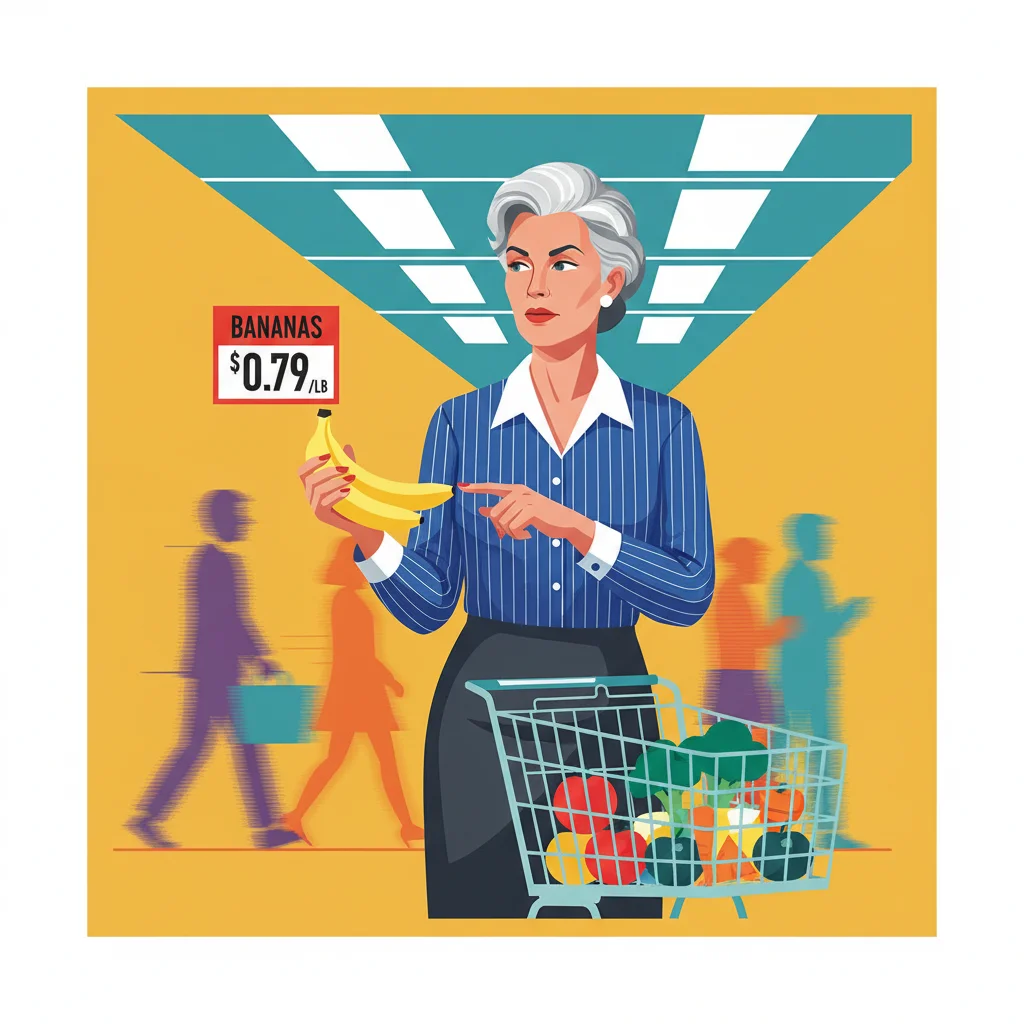
Leticia, a 50-year-old single mother of three working as a sales representative in Raleigh, NC, often felt a knot in her stomach when the news mentioned economic indicators. With $5,000 in savings, $50,000 in student loans, and an emergency fund covering just two weeks of expenses, she worried constantly about her job security and her family's financial future. Terms like "Gross Domestic Product" (GDP) felt abstract and distant, yet she knew they were somehow connected to the cost of groceries, the availability of jobs, and the stability of her income. She wondered, "How does something so big and seemingly complex affect my everyday budget and long-term financial plans?" This guide will demystify Gross Domestic Product, explaining what it is, how it's measured, and critically, how changes in GDP directly impact your personal finances, from job prospects to investment returns and the cost of living. Understanding GDP is not just for economists; it's a vital tool for making informed financial decisions in today's dynamic economy.
Gross Domestic Product (GDP) Definition: Gross Domestic Product is the total monetary or market value of all the finished goods and services produced within a country's borders in a specific time period, typically a year or a quarter. It serves as a comprehensive scorecard of a given country’s economic health.
What is Gross Domestic Product (GDP)?
Gross Domestic Product (GDP) is arguably the most fundamental measure of a nation's economic activity. It provides a snapshot of the economy's size and health. Think of it as the total output of everything a country produces and sells within its borders over a set period, usually a year or a quarter. This includes everything from the cars manufactured in Detroit to the software developed in Silicon Valley, the haircuts given in local salons, and the food grown on farms.
GDP is a critical indicator because it reflects the overall economic performance. When GDP is growing, it generally signals a healthy economy with more jobs, higher incomes, and increased consumer spending. Conversely, a shrinking GDP can indicate economic contraction, potentially leading to job losses, reduced wages, and financial instability. For individuals like Leticia, understanding GDP means understanding the broader economic currents that can either support or challenge their personal financial goals.
Components of GDP: The Expenditure Approach
Economists typically calculate GDP using the expenditure approach, which sums up all spending on final goods and services in an economy. This approach breaks down GDP into four main components: personal consumption, business investment, government spending, and net exports. Each component represents a different facet of economic activity and contributes to the overall measure of a nation's output.
The formula for GDP using the expenditure approach is:
GDP = C + I + G + (X - M)
Where:
C (Consumption): This is the largest component of GDP, representing all spending by households on goods and services. It includes everything from groceries and rent to healthcare and entertainment. For example, when Leticia buys new shoes for her children or pays her monthly utility bills, that spending contributes to consumption. This component often accounts for about 65-70% of total GDP in developed economies like the United States.
I (Investment): This refers to business spending on capital goods, such as new factories, machinery, and software, as well as residential construction. It also includes changes in business inventories. Investment is crucial for future economic growth, as it expands the economy's productive capacity. A company building a new office complex or purchasing new manufacturing equipment falls under this category.
G (Government Spending): This includes all spending by local, state, and federal governments on goods and services. Examples include infrastructure projects like roads and bridges, national defense, and public employee salaries. Transfer payments, such as Social Security benefits or unemployment insurance, are not included in GDP because they do not represent the production of new goods or services.
X - M (Net Exports): This component represents the value of a country's total exports (X) minus its total imports (M). Exports are goods and services produced domestically and sold to other countries, while imports are goods and services produced abroad and purchased domestically. If a country exports more than it imports, net exports are positive, adding to GDP. If it imports more, net exports are negative, subtracting from GDP. For instance, if a U.S. company sells software to a European firm, it's an export. If Leticia buys a car manufactured in Japan, it's an import.
Nominal vs. Real GDP: Understanding Inflation's Impact
When discussing GDP, it's crucial to distinguish between nominal GDP and real GDP. The difference lies in how inflation is accounted for, and understanding this distinction is vital for accurately assessing economic growth.
Nominal GDP measures the value of goods and services at current market prices. This means it includes any price changes due to inflation. If nominal GDP increases, it could be because more goods and services were produced, or simply because prices rose, or a combination of both. For example, if a country produced 100 widgets at $10 each in year one (nominal GDP = $1,000) and 100 widgets at $12 each in year two (nominal GDP = $1,200), the 20% increase in nominal GDP is entirely due to inflation, not increased production.
Real GDP, on the other hand, measures the value of goods and services using constant prices from a base year. By removing the effects of inflation, real GDP provides a more accurate picture of actual economic output and growth. It tells us whether the economy is producing more goods and services, regardless of price fluctuations. For instance, if the base year price for widgets is $10, then in year two, the real GDP would still be $1,000 (100 widgets * $10 base price), indicating no real growth despite the price increase. Economists and policymakers primarily focus on real GDP to determine if an economy is expanding or contracting. A sustained increase in real GDP indicates economic expansion, while a sustained decrease signals a recession.
How GDP Affects Your Personal Finances
Understanding GDP is not merely an academic exercise; it has tangible and direct impacts on your daily financial life. From the stability of your job to the returns on your investments and the cost of borrowing money, GDP growth or contraction ripples through the entire economy, touching every household. For someone like Leticia, who is concerned about job security and managing debt, these connections are particularly important.
Job Security and Employment Opportunities
One of the most direct ways GDP influences personal finances is through its impact on the labor market. A growing GDP generally correlates with a strong economy, which typically means more jobs and lower unemployment rates.
When the economy is expanding (real GDP is increasing), businesses experience higher demand for their products and services. To meet this demand, they need to hire more employees, leading to increased job openings and greater job security. Companies may also be more willing to invest in training and offer higher wages to attract and retain talent. For Leticia, who works in retail sales, a robust economy means consumers are spending more, leading to higher sales for her company and, consequently, more stable employment. She might even see opportunities for promotions or raises.
Conversely, during periods of economic contraction (when real GDP declines, often signaling a recession), businesses face reduced demand and lower profits. This can lead to hiring freezes, layoffs, and a more competitive job market. Unemployment rates tend to rise, and job security diminishes. In such an environment, Leticia might worry about her hours being cut or even losing her job, making it harder to cover her family's expenses and manage her student loan debt. The U.S. Bureau of Labor Statistics reported an unemployment rate of 3.8% as of March 2026, a figure that would likely increase significantly during a sustained GDP contraction.
Investment Returns and Market Performance
GDP growth is a major driver of corporate profits, which in turn influence stock market performance and investment returns. When GDP is strong, companies generally report higher earnings, making their stocks more attractive to investors.
A robust economy typically translates to higher corporate revenues and profits. This positive outlook often fuels optimism in the stock market, leading to rising stock prices. For individuals with investments in stocks, mutual funds, or exchange-traded funds (ETFs), a growing GDP can mean higher portfolio values and better returns. For example, the S&P 500 index, a broad measure of U.S. stock market performance, often sees significant gains during periods of sustained economic growth.
However, a declining GDP can lead to lower corporate profits, reduced investor confidence, and a downturn in the stock market. During recessions, stock prices often fall, impacting investment portfolios. Leticia, if she had investments in a 401(k) or IRA, would see the value of her holdings fluctuate with these economic cycles. Understanding the relationship between GDP and market performance can help investors make more informed decisions about their asset allocation and risk tolerance, especially during different phases of the economic cycle. Financial advisors often recommend a diversified portfolio to weather these fluctuations.
Inflation and Purchasing Power
GDP growth can also influence inflation, which directly affects your purchasing power. While moderate inflation is often a sign of a healthy, growing economy, high inflation can erode the value of your money.
When an economy grows rapidly (high GDP growth), demand for goods and services can outpace supply. This imbalance can lead to price increases across the board, a phenomenon known as demand-pull inflation. For example, if many people have jobs and higher incomes due to strong GDP, they might all try to buy the same popular products, driving up prices. The Federal Reserve aims for an annual inflation rate of about 2% to maintain price stability while allowing for economic growth. As of February 2026, the Consumer Price Index (CPI) showed an annual inflation rate of approximately 3.1%, indicating persistent inflationary pressures.
High inflation means that your money buys less than it used to. For Leticia, this translates to higher costs for groceries, gas, and other necessities, stretching her budget even further. Her $45,000-$70,000 salary might not go as far if prices for essential goods rise significantly. This erosion of purchasing power can make it harder to save money, pay down debt, and achieve long-term financial goals. Conversely, very low or negative inflation (deflation) can also be problematic, as it often signals a weak economy and can discourage spending.
Interest Rates and Borrowing Costs
The state of the economy, as reflected by GDP, significantly influences interest rates, which in turn affect borrowing costs for consumers. Central banks, like the U.S. Federal Reserve, often adjust interest rates in response to economic conditions to manage inflation and promote stable growth.
During periods of strong GDP growth and potential inflation, central banks may raise interest rates to cool down the economy and prevent overheating. Higher interest rates make borrowing more expensive for consumers and businesses. This means higher interest payments on mortgages, car loans, credit card debt, and student loans. For Leticia, with her $50,000 student loan debt, rising interest rates would mean larger monthly payments or a longer repayment period, increasing the total cost of her debt.
Conversely, during economic slowdowns or recessions (declining GDP), central banks may lower interest rates to stimulate borrowing and spending, thereby encouraging economic activity. Lower interest rates make borrowing cheaper, which can reduce monthly payments on variable-rate loans and make new loans more affordable. This can be beneficial for individuals looking to buy a home, purchase a car, or consolidate debt. As of April 2026, the Federal Funds Rate, which influences many other interest rates, is a key indicator to watch for borrowing costs.
| Economic Condition (GDP) | Impact on Jobs | Impact on Investments | Impact on Inflation | Impact on Interest Rates |
|---|---|---|---|---|
| Strong Growth | More jobs, higher wages | Higher stock prices, better returns | Potential for higher inflation | Central bank may raise rates |
| Weak Growth/Recession | Job losses, lower wages | Lower stock prices, reduced returns | Potential for lower inflation | Central bank may lower rates |
How GDP is Measured and Reported
Understanding how GDP is calculated and the different ways it's presented helps in interpreting economic news and making informed personal financial decisions. The U.S. Bureau of Economic Analysis (BEA) is the primary agency responsible for compiling and releasing GDP data for the United States.
The Income Approach vs. The Expenditure Approach
While the expenditure approach (C + I + G + (X - M)) is the most commonly cited method for calculating GDP, economists also use the income approach. In theory, both methods should yield the same result because one person's spending is another person's income.
The income approach sums up all the income earned from producing goods and services in the economy. This includes:
Wages and Salaries: Compensation paid to employees.
Corporate Profits: Earnings of businesses.
Rental Income: Income from property.
Net Interest: Interest earned minus interest paid.
Proprietors' Income: Income of sole proprietorships and partnerships.
Taxes on Production and Imports: Indirect business taxes.
The income approach provides a different perspective on how economic activity generates income for various factors of production. Both approaches are used to cross-verify the accuracy of GDP measurements.
GDP Reporting and Revisions
The BEA releases GDP data quarterly, typically about a month after the quarter ends. These releases come in several stages:
Advance Estimate: The first estimate, based on incomplete data.
Second Estimate: A revised estimate, incorporating more complete data.
Third Estimate (or Final Estimate): The most comprehensive revision, using all available data.
These revisions are common and important. For example, the advance estimate for Q4 2025 might show 2.5% real GDP growth, but the final estimate could be revised up or down to 2.8% or 2.2%. Financial markets and policymakers pay close attention to these revisions, as they can signal changes in economic momentum. Leticia might hear about these revisions on the news, and while they seem like small percentage shifts, they can influence market sentiment and future economic policy.
Additionally, the BEA conducts annual revisions, typically in the summer, to incorporate more detailed annual source data that becomes available later. Every five years, a comprehensive benchmark revision updates the entire GDP series, sometimes going back decades, to reflect new methodologies and data sources.
GDP per Capita: A Measure of Living Standards
While total GDP measures the size of an economy, GDP per capita offers insight into the average economic output per person. It is calculated by dividing a country's total GDP by its population.
GDP per capita is often used as a proxy for a country's standard of living and economic well-being. A higher GDP per capita generally suggests that individuals in that country have access to more goods and services, better infrastructure, and potentially higher incomes. For instance, in 2025, the U.S. GDP per capita was estimated to be around $85,000, significantly higher than many developing nations.
However, GDP per capita has limitations. It's an average and does not account for income inequality. A country could have a high GDP per capita, but if wealth is concentrated among a small percentage of the population, many individuals might still struggle. This is a relevant point for Leticia, whose personal financial situation might not fully reflect the national average due to her debt and single-parent status. It's a useful comparative metric but should be considered alongside other indicators like income distribution and poverty rates.
Limitations and Criticisms of GDP
While Gross Domestic Product is an indispensable tool for economic analysis, it's not a perfect measure. Critics point out several limitations that can lead to an incomplete or even misleading picture of a nation's true economic health and societal well-being. Understanding these shortcomings is crucial for a nuanced interpretation of GDP data.
Excludes Non-Market Transactions
One of the most significant criticisms of GDP is its exclusion of non-market transactions. These are economic activities that do not involve a monetary exchange and therefore are not captured in official statistics.
Examples include:
Household Production: The value of services performed within the home, such as childcare, cooking, cleaning, and DIY home repairs. If Leticia spends her weekend fixing a leaky faucet instead of hiring a plumber, that economic activity (the value of her labor) is not counted in GDP. If she hired a plumber, it would be.
Volunteer Work: The immense value generated by volunteers in charities, community organizations, and informal support networks is completely omitted.
Barter and Informal Economies: Transactions where goods and services are exchanged without money, or activities in the "underground" economy (e.g., undeclared income), are not included.
These omissions mean that GDP can underestimate the true level of economic activity and productivity, especially in societies where non-market activities play a substantial role. For Leticia, the unpaid labor she performs for her family, while economically valuable to her household, doesn't register in the national accounts.
Does Not Measure Well-being or Quality of Life
Perhaps the most profound criticism of GDP is that it was never designed to be a measure of societal well-being or quality of life, yet it is often interpreted as such. GDP focuses purely on economic output and growth, not on factors that contribute to happiness, health, or sustainability.
Consider these aspects that GDP overlooks:
Environmental Impact: GDP does not account for the depletion of natural resources or the costs of pollution. For example, if a factory produces goods, increasing GDP, but also pollutes a river, the environmental damage and its long-term costs (e.g., health issues, clean-up efforts) are not subtracted from GDP.
Income Inequality: As mentioned with GDP per capita, a high GDP can mask significant disparities in wealth distribution. A country's GDP could grow, but if the benefits accrue only to the wealthiest, the majority of the population may not experience an improved quality of life. Leticia's struggles with debt and limited savings highlight how national averages can obscure individual financial realities.
Health and Education: While spending on healthcare and education contributes to GDP, the actual outcomes – healthier citizens, a more educated workforce – are not directly measured by GDP. A country could spend a lot on healthcare but still have poor health outcomes, yet its GDP would reflect the spending.
Leisure Time: GDP doesn't value leisure. If people work longer hours to produce more goods, GDP increases, but their quality of life might decrease due to less free time.
As Robert F. Kennedy famously said in 1968, GDP "measures everything, in short, except that which makes life worthwhile." This sentiment remains a powerful critique today.
Ignores the "Bad" with the "Good"
GDP treats all economic activity as positive, regardless of its nature. This means that spending on things that are detrimental to society or involve repairing damage also contributes to GDP growth.
Examples include:
Disasters and Crime: The costs associated with natural disasters (e.g., hurricanes, earthquakes) or crime (e.g., police services, prison construction, property repair) all contribute to GDP. While these activities are necessary, they represent a response to negative events, not necessarily an improvement in well-being.
Pollution Cleanup: Spending on cleaning up environmental spills or remediating contaminated sites adds to GDP, even though the initial pollution was harmful.
Healthcare for Illness: While essential, spending on treating illnesses contributes to GDP. A healthier population might require less medical intervention, which could paradoxically lead to lower GDP growth in that sector, even though overall well-being improved.
This characteristic means that a rising GDP could, in some cases, reflect an increase in activities that are costly or undesirable, rather than a genuine improvement in living standards.
Data Accuracy and Timeliness
Despite the rigorous efforts of agencies like the BEA, GDP data can be subject to inaccuracies and revisions. Initial estimates are based on incomplete data, and significant revisions can occur months or even years later.
These revisions can sometimes alter the narrative of economic performance. For example, an initial report might suggest robust growth, only for later revisions to show a slowdown. This can make it challenging for policymakers and individuals to make real-time decisions based on the most accurate information. The reliance on surveys and statistical models also introduces a degree of estimation error.
In conclusion, while GDP is an invaluable metric for understanding the scale and growth of an economy, it is essential to recognize its limitations. For a more complete picture of a nation's progress and the well-being of its citizens, GDP should be considered alongside other indicators, such as measures of income inequality, environmental sustainability, health outcomes, and educational attainment.
Alternative Economic Indicators to Consider
Given the limitations of GDP, economists and policymakers often look at a broader range of indicators to get a more comprehensive picture of economic health and societal well-being. For individuals like Leticia, understanding these additional metrics can provide a more nuanced view of the economic landscape and its potential impact on her financial situation.
Gross National Product (GNP)
While often confused with GDP, Gross National Product (GNP) measures the total value of all finished goods and services produced by a country's residents, regardless of where they are located.
The key difference is geographic versus ownership:
GDP: Production within a country's borders.
GNP: Production by a country's citizens and companies, wherever they are in the world.
For instance, profits earned by a U.S.-owned company operating in Germany would be included in U.S. GNP but not U.S. GDP. Conversely, profits earned by a German-owned company operating in the U.S. would be included in U.S. GDP but not U.S. GNP. For most large economies, the difference between GDP and GNP is usually small, but it can be significant for countries with substantial foreign investments or a large expatriate workforce.
Gross National Income (GNI)
Gross National Income (GNI) is another closely related measure, often considered synonymous with GNP. It represents the total income earned by a country's people and businesses, including income earned abroad. It's essentially GNP measured as income.
GNI is particularly useful for understanding the economic strength of a nation's residents, as it reflects their total earning power. For example, if a significant portion of a country's GDP is generated by foreign-owned companies, its GNI might be lower than its GDP, indicating that a substantial share of the economic output is flowing out of the country.
Human Development Index (HDI)
The Human Development Index (HDI) is a composite index developed by the United Nations Development Programme (UNDP) that goes beyond purely economic measures to assess a country's overall development and well-being. It combines three basic dimensions of human development:
A long and healthy life: Measured by life expectancy at birth.
Knowledge: Measured by mean years of schooling and expected years of schooling.
A decent standard of living: Measured by Gross National Income (GNI) per capita (PPP $).
The HDI provides a more holistic view of development than GDP alone, emphasizing that people and their capabilities should be the ultimate criteria for assessing the development of a country, not just economic growth. For Leticia, a country with a high HDI would likely offer better public services, educational opportunities for her children, and a stronger social safety net, even if its GDP growth wasn't always the highest.
Genuine Progress Indicator (GPI)
The Genuine Progress Indicator (GPI) is an alternative metric that attempts to correct for the shortcomings of GDP by including aspects of well-being that GDP ignores and subtracting activities that are detrimental.
GPI starts with personal consumption expenditures (a component of GDP) but then adjusts for:
Positive contributions: Adds the value of non-market activities like household work, volunteer work, and leisure time.
Negative contributions: Subtracts the costs of environmental degradation (e.g., pollution, resource depletion), social costs (e.g., crime, family breakdown), and defensive expenditures (e.g., spending on pollution control or security).
The idea behind GPI is to provide a more accurate measure of sustainable economic welfare. For instance, if GDP rises due to increased spending on healthcare for pollution-related illnesses, GPI would subtract the cost of the pollution, showing a more accurate picture of societal progress. While not as widely adopted as GDP, GPI offers a valuable perspective for those seeking a more comprehensive measure of progress.
Consumer Confidence Index (CCI)
The Consumer Confidence Index (CCI), compiled by The Conference Board, is a survey-based indicator that measures how optimistic or pessimistic consumers are about the state of the economy. It assesses consumers' perceptions of current business and labor market conditions, as well as their expectations for the future.
High consumer confidence often translates into increased consumer spending, which, as we know, is a major component of GDP. When consumers feel secure in their jobs and optimistic about their financial future, they are more likely to make large purchases, like cars or homes, or simply spend more on everyday goods and services. Conversely, low consumer confidence can signal a slowdown in spending and a potential economic downturn. For Leticia, a dip in consumer confidence might mean fewer customers in her retail store, potentially impacting her sales commissions or even her job security. This index provides a forward-looking perspective that GDP, being a backward-looking measure, cannot fully capture.
These alternative indicators, when viewed alongside GDP, offer a richer and more balanced understanding of a nation's economic and social progress. They help paint a picture that goes beyond mere production numbers to encompass aspects of human well-being, sustainability, and future prospects.
Making Personal Financial Decisions with GDP in Mind
Understanding Gross Domestic Product and its implications is not just for economists or policymakers. It's a powerful tool that can help individuals like Leticia make more informed and strategic personal financial decisions. By paying attention to economic trends and forecasts, you can better navigate periods of growth and contraction, protecting your assets and pursuing your goals.
Adjusting Your Budget and Spending Habits
Economic cycles, often reflected in GDP growth rates, directly influence your income and expenses. During periods of strong GDP growth, job markets are typically robust, and incomes may rise. This can be a good time to reassess your budget and consider increasing savings or tackling high-interest debt.
However, when GDP growth slows or turns negative, indicating a potential recession, it's prudent to become more conservative with your spending. Leticia, with her limited emergency fund, would be wise to tighten her budget and prioritize essential expenses if she sees signs of economic contraction. This might mean cutting back on discretionary spending, delaying large purchases, and focusing on building a larger emergency fund. Financial advisors recommend having at least 3-6 months of living expenses saved, a goal Leticia is actively working towards. Being proactive in adjusting your budget to economic realities can help you weather financial storms more effectively.
Strategic Debt Management
GDP trends can also inform your approach to debt. During periods of economic expansion, when interest rates may be rising, it can be beneficial to pay down variable-rate debt (like credit card balances) more aggressively to minimize interest costs. If you have significant student loan debt like Leticia, monitoring interest rate trends influenced by GDP can help you decide if refinancing to a fixed rate is a smart move before rates climb higher.
Conversely, during economic downturns, when central banks might lower interest rates to stimulate the economy, it could be an opportune time to refinance fixed-rate debt (like mortgages) to secure a lower payment, if your financial situation allows. However, access to credit might also tighten during recessions, making new loans harder to obtain. Always consider your personal financial stability and job security before taking on new debt, regardless of the economic climate.
Investment Strategy and Portfolio Management
Your investment strategy should ideally be dynamic, adapting to the economic cycle as indicated by GDP.
During economic expansion (strong GDP): This is often a good time for growth-oriented investments, such as stocks in companies that benefit from increased consumer spending and business investment. While market timing is difficult, a growing economy generally supports higher corporate earnings.
During economic contraction (weak or negative GDP): Defensive investments, such as bonds, dividend-paying stocks, or sectors less sensitive to economic cycles (e.g., utilities, consumer staples), might offer more stability. Cash reserves also become more valuable.
For long-term investors, the best strategy is often to maintain a diversified portfolio and avoid making drastic changes based on short-term GDP fluctuations. However, understanding the broader economic context can help you assess the risk level of your investments and make informed decisions about rebalancing your portfolio. For Leticia, even if she only has a retirement account, knowing that a strong GDP generally supports her investments can provide some peace of mind, while a weak GDP might prompt her to review her asset allocation with a financial advisor. You can learn more about managing your investment portfolio during different economic cycles here.
Planning for the Future: Retirement and Major Purchases
Long-term financial planning, including retirement savings and major purchases like a home, should also consider the broader economic outlook influenced by GDP.
Retirement Savings: Consistent contributions to retirement accounts (like a 401(k) or IRA) are crucial regardless of GDP. However, periods of strong GDP growth can offer opportunities for higher investment returns, accelerating your progress towards retirement goals. Conversely, a prolonged economic downturn might mean your portfolio grows slower, necessitating a review of your savings rate or retirement timeline.
Major Purchases: The timing of large purchases, such as buying a house or a new car, can be influenced by GDP-driven interest rates and job market stability. During strong economic times, securing a good job and a stable income might make you more confident in taking on a mortgage. During downturns, lower interest rates might seem attractive, but job insecurity could make committing to a large debt risky.
By integrating an understanding of GDP into her financial planning, Leticia can make more strategic decisions about her savings, debt, and investments, ultimately improving her chances of achieving financial security for herself and her children. It empowers her to move from passively reacting to economic news to proactively planning for her future.
Frequently Asked Questions
What is the current GDP growth rate for the U.S.?
As of the advance estimate for Q1 2026, the U.S. real GDP growth rate was approximately 2.1% on an annualized basis. This figure is subject to revisions by the Bureau of Economic Analysis (BEA) in subsequent reports.
How does GDP affect my job security?
A growing GDP generally indicates a healthy economy, leading to increased demand for products and services. This often translates to more job openings, lower unemployment rates, and greater job security as businesses expand and hire more workers. Conversely, a declining GDP can lead to job losses.
Is a high GDP always good for everyone?
While a high GDP generally signals a strong economy, it doesn't automatically mean everyone benefits equally. GDP doesn't account for income inequality, environmental impact, or quality of life. A high GDP could coexist with significant wealth disparities or environmental degradation.
What is the difference between GDP and GNP?
GDP (Gross Domestic Product) measures the total value of goods and services produced within a country's borders, regardless of who owns the producing entities. GNP (Gross National Product) measures the total value of goods and services produced by a country's residents and businesses, regardless of where they are located in the world.
How often is GDP data released?
The U.S. Bureau of Economic Analysis (BEA) releases GDP data quarterly. There are typically three estimates for each quarter: an advance estimate, a second estimate, and a third (or final) estimate, with revisions occurring as more complete data becomes available.
What happens to interest rates when GDP is growing rapidly?
When GDP is growing rapidly, central banks (like the U.S. Federal Reserve) may raise interest rates. This is often done to prevent the economy from overheating and to control inflation, as strong demand can push prices higher. Higher interest rates make borrowing more expensive.
Can GDP predict a recession?
GDP itself is a lagging indicator, meaning it reflects past economic activity. However, a sustained decline in real GDP for two consecutive quarters is a common definition of a recession. Economists look at other leading indicators, such as consumer confidence, manufacturing orders, and housing starts, to predict potential recessions.
Key Takeaways
GDP is a Core Economic Indicator: Gross Domestic Product measures the total value of all finished goods and services produced within a country, serving as the primary gauge of economic health.
Direct Impact on Personal Finances: GDP growth influences job security, investment returns, inflation, and interest rates, directly affecting your income, expenses, and wealth.
Expenditure Approach Components: GDP is calculated as the sum of Consumption, Investment, Government Spending, and Net Exports (C + I + G + (X - M)).
Real vs. Nominal GDP: Real GDP adjusts for inflation, providing a more accurate measure of economic output growth, while nominal GDP reflects current market prices.
Limitations of GDP: GDP does not account for non-market activities, income inequality, environmental costs, or overall quality of life, making it an incomplete measure of societal well-being.
Informed Financial Decisions: Understanding GDP helps you strategically adjust your budget, manage debt, plan investments, and make long-term financial decisions in response to economic cycles.
Alternative Indicators Exist: For a holistic view, consider other metrics like HDI, GPI, and consumer confidence alongside GDP.
Conclusion
Understanding Gross Domestic Product is far more than an academic exercise; it's a fundamental aspect of financial literacy that directly impacts your personal financial well-being. As we've explored, GDP acts as the economy's vital sign, influencing everything from the availability of jobs and the cost of everyday goods to the returns on your investments and the interest rates on your loans. For individuals like Leticia, who grapples with debt, job security concerns, and the responsibility of raising a family, comprehending these macroeconomic forces is crucial for making informed decisions.
By recognizing how a growing GDP generally fosters a robust job market and potentially higher investment returns, or how a contracting GDP can signal economic headwinds, you can proactively adjust your financial strategy. This might involve building a stronger emergency fund, strategically managing debt, or diversifying your investment portfolio to weather economic fluctuations. While GDP has its limitations, it remains an indispensable tool when combined with other indicators to paint a comprehensive picture of economic health.
Leticia, after learning more about GDP, began to see the news not as abstract economic jargon, but as direct signals for her own financial planning. She started diligently tracking her expenses, knowing that a strong economy might offer opportunities for a raise, while a downturn would necessitate tighter budgeting. She also committed to increasing her emergency savings, understanding that a buffer was her best defense against job insecurity. By demystifying GDP, she gained a greater sense of control over her financial future, moving from worry to empowered action. Ultimately, a solid grasp of GDP empowers you to navigate the complex economic landscape with greater confidence and make smarter choices for your financial future.
Disclaimer: This article is for informational and educational purposes only and does not constitute financial, investment, or tax advice. Always consult a qualified financial advisor before making investment decisions.
The information provided in this article is for educational purposes only and does not constitute financial, investment, or legal advice. Always consult with a qualified financial advisor, tax professional, or legal counsel for personalized guidance tailored to your specific situation before making any financial decisions.
Comments
No comments yet. Be the first to comment!
More from Personal Finance



Explore Related Guides
Expert reviews of Gold IRA companies, rollover guides, fees, and IRS rules.
Comprehensive investment strategies covering stocks, bonds, ETFs, crypto, and real estate.
Compare banking products, interest rates, and strategies to maximize your savings.