Emergency Fund: Your Complete Personal Finance Guide
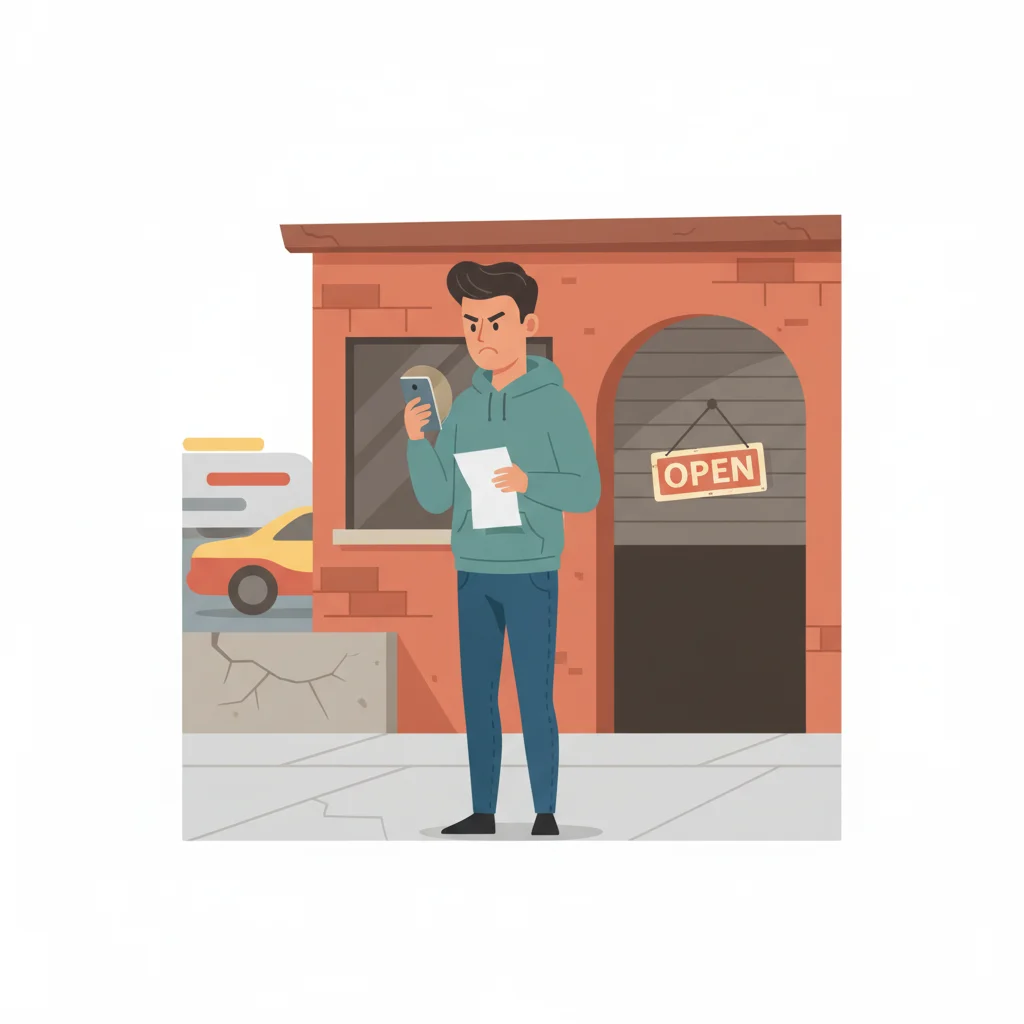
In a world filled with financial uncertainties, an emergency fund stands as your primary defense. Unexpected expenses, such as medical emergencies, job loss, or sudden home repairs, can derail even the most carefully planned budgets. Without a dedicated financial cushion, these events often lead to debt, stress, and long-term financial setbacks. Building and maintaining an emergency fund is not just a recommendation; it's a fundamental pillar of sound personal finance, offering peace of mind and resilience against life's curveballs.
This comprehensive guide will walk you through every aspect of creating, growing, and utilizing your emergency fund. We will cover how much you need, where to store it, strategies for building it quickly, and common pitfalls to avoid. By the end, you will have a clear roadmap to financial security through a robust emergency fund.
Emergency Fund Definition: An emergency fund is a dedicated savings account containing money specifically set aside to cover unexpected life events and financial crises, typically ranging from three to twelve months' worth of essential living expenses.
Understanding the Importance of an Emergency Fund
An emergency fund serves as a crucial financial safety net, protecting you from the unpredictable nature of life. It acts as a buffer, preventing minor setbacks from escalating into major financial disasters. Without this reserve, many individuals resort to high-interest credit cards or personal loans when faced with unexpected costs, trapping themselves in cycles of debt.
Why Every Household Needs an Emergency Fund
Life is inherently unpredictable. A sudden car repair, an unexpected medical bill, or even a global pandemic can strike at any time, often without warning. Data from Bankrate's 2024 Financial Security Survey reveals that only 44% of Americans could cover a $1,000 emergency expense using their savings, highlighting a significant vulnerability for more than half the population. This statistic underscores the widespread need for better financial preparedness.
An emergency fund prevents you from having to choose between paying essential bills and covering an unexpected cost. It safeguards your long-term financial goals, such as retirement savings or a down payment on a home, by ensuring you don't have to raid those accounts for short-term needs. This financial stability reduces stress and allows you to focus on recovery rather than scrambling for funds.
The Cost of Not Having an Emergency Fund
The absence of an emergency fund can be incredibly costly. When faced with an unexpected expense without readily available cash, individuals often turn to expensive alternatives. Credit card debt, with its notoriously high interest rates (often exceeding 20% APR as of early 2026), can quickly spiral out of control. A $3,000 car repair, if put on a credit card and only minimum payments are made, could take years to pay off and accrue hundreds or even thousands in interest.
Another common pitfall is taking out high-interest personal loans or payday loans, which carry even steeper interest rates and fees. These options can exacerbate financial difficulties, making it harder to get back on track. Furthermore, not having an emergency fund can force you to liquidate investments prematurely, potentially incurring taxes and missing out on future growth. For example, cashing out a 401(k) early could result in a 10% penalty plus ordinary income taxes, significantly diminishing your retirement nest egg. The true cost of not having an emergency fund extends beyond immediate expenses; it impacts your credit score, future financial opportunities, and overall well-being.
How Much Emergency Fund Do You Need?
Determining the ideal size of your emergency fund is a critical step in building financial security. There's no one-size-fits-all answer, as the amount largely depends on individual circumstances, financial obligations, and risk tolerance. However, general guidelines exist to help you establish a suitable target.
General Guidelines: 3-6 Months of Expenses
Financial experts widely recommend saving at least three to six months' worth of essential living expenses in your emergency fund. This range provides a solid buffer for most individuals and families. For example, if your essential monthly expenses total $3,000, your emergency fund target would be between $9,000 and $18,000.
"Essential living expenses" are crucial to define. These are the non-negotiable costs required to maintain your basic lifestyle. They typically include:
- Housing (rent or mortgage payments)
- Utilities (electricity, water, gas, internet)
- Food (groceries, not dining out)
- Transportation (car payments, insurance, fuel, public transit)
- Health insurance premiums
- Minimum debt payments (student loans, credit cards, auto loans)
Discretionary spending, such as entertainment, dining out, vacations, and subscriptions you could live without, should generally be excluded from this calculation. The goal is to cover your basic survival needs during a crisis.
Factors Influencing Your Emergency Fund Size
While the 3-6 month guideline is a good starting point, several factors might prompt you to save more or less:
Job Security and Income Stability
Individuals with highly stable jobs or multiple income streams might feel comfortable with a smaller emergency fund (e.g., 3-4 months). Conversely, those in volatile industries, self-employed individuals, or those with a single income source supporting a family should aim for a larger fund, perhaps 6-12 months. The more unpredictable your income, the larger your emergency fund buffer should be to account for potential extended periods of unemployment or reduced income.
Health and Medical Needs
If you or a family member have chronic health conditions or anticipate significant medical expenses, a larger emergency fund is prudent. Even with good health insurance, deductibles, co-pays, and out-of-network costs can quickly add up. A robust fund can prevent medical debt from becoming an overwhelming burden.
Number of Dependents
A single individual with no dependents typically has fewer financial obligations than someone supporting a spouse and children. Each dependent adds to the essential living expenses and increases the financial risk associated with an unexpected event. Families with children should generally lean towards the higher end of the 6-12 month range to ensure adequate coverage for all members.
Debt Obligations
While an emergency fund is distinct from debt repayment, significant debt obligations (especially high-interest ones) can influence your fund size. Some experts suggest having a smaller "starter" emergency fund (e.g., $1,000-$2,000) before aggressively tackling high-interest debt, then building a larger fund once that debt is managed. This strategy balances immediate protection with long-term financial health. The presence of significant non-mortgage debt often warrants a larger emergency fund to prevent defaulting on payments during a crisis.
Lifestyle and Risk Tolerance
Your personal comfort level with risk also plays a role. If the thought of financial uncertainty causes significant anxiety, a larger emergency fund can provide greater peace of mind. Some individuals prefer to be over-prepared, while others are comfortable with a leaner fund, especially if they have other readily accessible assets. Ultimately, the best emergency fund target is one that allows you to sleep soundly at night.
Building Your Emergency Fund: Practical Strategies
Building an emergency fund takes discipline and a strategic approach. It's a marathon, not a sprint, but consistent effort will yield significant results.
Set a Clear Goal and Timeline
The first step is to define your target amount based on your essential expenses and personal factors. Once you have a target (e.g., $15,000), break it down into smaller, manageable chunks. If your goal is $15,000 and you aim to achieve it in 18 months, you need to save approximately $833 per month. This makes the goal less daunting and provides a clear monthly savings target.
Automate Your Savings
One of the most effective strategies is to automate your contributions. Set up an automatic transfer from your checking account to your dedicated emergency fund savings account each payday. Treat this transfer like any other bill – it's non-negotiable. Even small, consistent contributions add up over time. According to a 2025 study by the Federal Reserve, households that automate savings are significantly more likely to meet their financial goals. Automation removes the temptation to spend the money and ensures steady progress.
Cut Unnecessary Expenses
Review your budget with a critical eye to identify areas where you can reduce spending. Temporarily cutting back on discretionary expenses, such as dining out, entertainment subscriptions, or expensive hobbies, can free up significant cash for your emergency fund. Consider a "no-spend challenge" for a month or two to accelerate your savings. Every dollar saved from non-essentials can be redirected to your fund. This practice not only boosts your savings but also helps you distinguish between needs vs. wants.
Boost Your Income
Look for opportunities to increase your income, even temporarily. This could include:
- Side hustles: Freelancing, gig economy jobs (e.g., ridesharing, delivery services), pet sitting, tutoring, or selling crafts online.
- Selling unused items: Declutter your home and sell items you no longer need on platforms like eBay, Facebook Marketplace, or local consignment shops.
- Overtime at work: If available, picking up extra shifts can quickly add to your fund.
- Temporary part-time job: Even a few hours a week can make a difference.
Direct all extra income earned from these efforts straight into your emergency fund. This method can significantly accelerate your progress without impacting your regular budget.
Windfalls and Bonuses
Any unexpected money you receive should be a prime candidate for your emergency fund. This includes:
- Tax refunds (the average federal tax refund in 2025 was around $3,100)
- Work bonuses
- Inheritances
- Gifts
- Rebates
Resist the urge to spend these windfalls. Instead, view them as opportunities to fast-track your emergency savings. This disciplined approach to windfall management can shave months off your savings timeline.
Debt Snowball vs. Emergency Fund
A common dilemma is whether to prioritize building an emergency fund or paying down high-interest debt. Financial experts often recommend a hybrid approach:
Build a "starter" emergency fund: Aim for $1,000 to $2,000 initially. This provides a minimal safety net for small emergencies without derailing your debt repayment.
Aggressively pay down high-interest debt: Once the starter fund is in place, focus all extra money on paying off debts like credit cards or personal loans with interest rates above 10%.
Build your full emergency fund: After high-interest debt is eliminated, shift your focus back to fully funding your emergency reserve (3-6+ months of expenses).
This strategy provides some immediate protection while addressing the high cost of debt.
Where to Keep Your Emergency Fund
The location of your emergency fund is almost as important as its size. It needs to be easily accessible but also separate from your everyday spending accounts to avoid accidental use.
High-Yield Savings Accounts (HYSAs)
High-yield savings accounts are the most recommended option for an emergency fund. They offer several key advantages:
- Liquidity: Funds are readily accessible, typically within 1-3 business days via electronic transfer.
- Safety: HYSAs are FDIC-insured up to $250,000 per depositor, per institution, meaning your money is protected even if the bank fails.
- Growth: While not designed for aggressive growth, HYSAs offer significantly higher interest rates than traditional savings accounts. As of early 2026, many HYSAs offer annual percentage yields (APYs) ranging from 4.00% to 5.25%, allowing your money to grow modestly over time. This helps offset inflation and makes your money work for you.
When choosing an HYSA, compare APYs, minimum balance requirements, and any potential fees. Many reputable online banks offer competitive rates with minimal fees.
Money Market Accounts (MMAs)
Money market accounts are similar to HYSAs but often come with check-writing privileges and sometimes a debit card. They typically offer competitive interest rates, though sometimes slightly lower than the top HYSAs. MMAs are also FDIC-insured. The main distinction is often the added flexibility for transactions, which can be a pro or a con depending on whether you want to make your emergency fund too accessible.
Certificates of Deposit (CDs) - With Caution
Certificates of Deposit (CDs) generally offer higher interest rates than HYSAs, but they come with a significant drawback for an emergency fund: limited liquidity. Your money is locked up for a specific term (e.g., 6 months, 1 year, 5 years), and withdrawing it early usually incurs a penalty, such as forfeiting several months of interest.
While a CD ladder strategy (staggering CDs with different maturity dates) can improve liquidity, it's generally not recommended for the core emergency fund that needs immediate access. CDs are better suited for money you know you won't need for a specific period, not for unpredictable emergencies.
What Not to Do: Avoid These Storage Methods
Certain accounts are unsuitable for your emergency fund due to lack of liquidity, risk, or tax implications:
- Checking Accounts: While liquid, checking accounts are too easily accessible for everyday spending, leading to accidental depletion of your emergency fund. They also offer negligible interest.
- Stock Market/Investments: The stock market is volatile. While it offers potential for high returns, there's also a risk of significant loss, especially in the short term. You don't want your emergency fund to decrease in value right when you need it. Investments are for long-term growth, not immediate liquidity.
- Retirement Accounts (401(k), IRA): Withdrawing from retirement accounts before age 59½ typically incurs a 10% early withdrawal penalty in addition to ordinary income taxes. This significantly diminishes your savings and can jeopardize your retirement security. These accounts are for retirement, not emergencies.
- Physical Cash: While some cash on hand for immediate, small emergencies is wise, storing a large emergency fund as physical cash carries risks of loss, theft, and offers no interest growth.
| Storage Option | Liquidity | Safety (FDIC/SIPC) | Interest Rate (APY) | Suitability for Emergency Fund |
|---|---|---|---|---|
| High-Yield Savings Account | High | Yes (FDIC) | Moderate (4-5%+) | Highly Recommended |
| Money Market Account | High | Yes (FDIC) | Moderate (3-4%+) | Recommended |
| Certificates of Deposit | Low | Yes (FDIC) | Moderate-High | Not Recommended (due to penalties) |
| Checking Account | Very High | Yes (FDIC) | Very Low (0-0.1%) | Not Recommended (too accessible) |
| Stock Market/Investments | Moderate | No (SIPC for brokerage) | Volatile | Not Recommended (risk of loss) |
| Retirement Accounts | Very Low | No (SIPC for brokerage) | Volatile | Not Recommended (penalties) |
| Physical Cash | Very High | No | None | Not Recommended (theft/loss risk) |
When and How to Use Your Emergency Fund
Knowing when to tap into your emergency fund is just as important as building it. The fund is for true emergencies, not for discretionary spending or impulse purchases.
Defining a True Emergency
A true emergency is an unexpected, unavoidable expense that is essential for your well-being or financial stability. It's a situation where you need the money, not just want it. Examples include:
- Job Loss or Significant Income Reduction: This is one of the most common reasons to use an emergency fund, covering living expenses while you seek new employment.
- Medical Emergencies: Unexpected illnesses, injuries, or necessary medical procedures not fully covered by insurance.
- Major Home Repairs: A burst pipe, a failing furnace in winter, a leaking roof, or significant structural damage. These are repairs that cannot be postponed without causing further damage or safety issues.
- Car Repairs: Essential repairs that prevent you from getting to work or performing necessary daily tasks.
- Unexpected Travel for Family Emergency: Sudden need to travel for a funeral or to care for an ailing family member.
- Unforeseen Legal Expenses: Unexpected legal fees that require immediate attention.
It is crucial to distinguish between a genuine emergency and a "want." A new smartphone, a vacation, or holiday shopping are not emergencies. These are expenses that should be budgeted for separately or saved for over time. Using your emergency fund for non-emergencies defeats its purpose and leaves you vulnerable.
The Process of Using Your Fund
When a true emergency strikes, accessing your funds should be straightforward:
Assess the Situation: Confirm it's a genuine emergency that cannot be covered by your regular budget or other non-essential funds.
Determine the Exact Amount Needed: Only withdraw what is absolutely necessary to cover the emergency. Avoid taking out more than you need.
Transfer Funds: Initiate a transfer from your high-yield savings account to your checking account. Depending on your bank, this may take 1-3 business days. Plan accordingly if the expense is truly immediate.
Pay the Expense: Use the transferred funds to cover the emergency cost.
Replenishing Your Emergency Fund
Once you've used a portion of your emergency fund, your top priority should be to replenish it. Think of it like a first-aid kit: once you use a bandage, you replace it.
- Re-evaluate Your Budget: Look for temporary cuts you can make to your discretionary spending to free up cash.
- Increase Savings Contributions: If possible, temporarily increase your automated savings transfers.
- Seek Additional Income: Consider a temporary side hustle or selling unused items to quickly rebuild the fund.
- Direct Windfalls: Any bonuses, tax refunds, or unexpected income should go directly towards replenishment.
The goal is to get your emergency fund back to its target level as quickly as possible to restore your financial safety net. This commitment to replenishment is key to maintaining long-term financial resilience.
Common Emergency Fund Mistakes to Avoid
Even with the best intentions, people can make mistakes when building or managing their emergency fund. Being aware of these pitfalls can help you steer clear of them.
Not Having One at All
The most significant mistake is simply not having an emergency fund. As highlighted by the Bankrate survey, a large portion of the population remains unprepared. This leaves individuals and families highly susceptible to financial distress and debt when unexpected events occur. Prioritizing the creation of an emergency fund, even a small starter fund, is a non-negotiable first step towards financial security.
Keeping It Too Accessible or Not Accessible Enough
Too Accessible: Storing your emergency fund in your primary checking account means it's constantly visible and easily spent on non-emergencies. This blurs the line between savings and spending, making it difficult to maintain the fund's integrity. It's crucial to keep it in a separate, dedicated account.
Not Accessible Enough: Conversely, locking your emergency fund in illiquid investments like long-term CDs or the stock market means you might not be able to access it quickly or without penalty when a true emergency arises. The primary purpose of an emergency fund is immediate availability.
The sweet spot is a high-yield savings account: separate, but easily transferable within a few days.
Not Replenishing It After Use
Using your emergency fund for a legitimate crisis is exactly what it's for. However, failing to replenish it afterward is a critical error. An emergency fund is not a one-time save; it's a dynamic resource that needs to be maintained. If you use $2,000 for a car repair and don't replace it, your safety net is now $2,000 smaller, leaving you vulnerable to the next unexpected event. Make replenishment a top financial priority immediately after any withdrawal.
Confusing It with Other Savings Goals
Your emergency fund is distinct from other savings goals, such as a down payment for a house, retirement savings, or a vacation fund. While all are important, they serve different purposes. Mixing these funds can lead to underfunding your emergency reserve or prematurely depleting funds meant for other long-term goals. For example, if you're saving for a down payment and an emergency occurs, you don't want to have to choose between your house fund and covering an unexpected medical bill. Keep your emergency fund in its own dedicated account and resist the urge to borrow from it for non-emergencies. This clear distinction is vital for financial goal separation.
Underestimating Your Needs
Calculating your essential expenses accurately is crucial. Many people forget to include less frequent but essential expenses like annual insurance premiums, property taxes (if not escrowed), or car registration fees when determining their monthly needs. It's also easy to underestimate the time it might take to find a new job or recover from an illness. Always err on the side of caution when estimating your emergency fund target. A slightly larger fund provides greater peace of mind and flexibility. Regularly review your expenses (at least annually) to ensure your fund target remains appropriate for your current financial situation.
Advanced Strategies for Financial Resilience
Once your primary emergency fund is fully established, you can explore additional strategies to enhance your financial resilience further. These steps build upon the foundation of a solid emergency fund, offering even greater protection and flexibility.
Tiered Emergency Fund Approach
For those seeking an extra layer of security, a tiered emergency fund strategy can be beneficial. This involves splitting your emergency savings into different "tiers" based on accessibility and potential for growth.
- Tier 1: Immediate Access (1-3 months of expenses): Keep this portion in a highly liquid high-yield savings account. This is for truly immediate needs.
- Tier 2: Secondary Access (3-6 months of expenses): This portion can be in another high-yield savings account, or potentially in a short-term CD ladder (e.g., 3-month CDs) if you're comfortable with slightly less immediate access for a potentially higher yield.
- Tier 3: Long-Term Reserve (6-12+ months of expenses): For those with very high-risk tolerance or extremely unstable income, this tier could include ultra-short-term bond funds or conservative money market funds that offer slightly higher returns than HYSAs but still prioritize stability and relatively quick access. However, this tier introduces some market risk and should only be considered after the first two tiers are fully funded and for those with a strong understanding of investment risk.
This approach allows you to optimize for both liquidity and potential returns, ensuring that the most critical funds are always readily available while other portions work a little harder.
Home Equity Line of Credit (HELOC) as a Last Resort
A Home Equity Line of Credit (HELOC) can serve as a very last resort secondary emergency fund, but it comes with significant risks. A HELOC allows you to borrow against the equity in your home.
Pros:
- Lower interest rates than credit cards.
- Funds available as needed.
Cons:
- Your home is collateral: If you cannot repay, you risk foreclosure.
- Interest rates are variable and can increase.
- Application process takes time, so it's not for immediate emergencies.
- It's debt, not savings.
A HELOC should never replace a cash emergency fund. It's a tool for catastrophic, large-scale emergencies only after your cash fund is exhausted, and only if you have a stable financial outlook to repay it. Financial advisors generally recommend having a robust cash emergency fund before even considering a HELOC for this purpose.
Disability and Life Insurance
While not directly part of your cash emergency fund, adequate insurance coverage is a crucial component of overall financial resilience.
- Disability Insurance: This replaces a portion of your income if you become unable to work due to illness or injury. Short-term disability covers initial periods, while long-term disability provides income for extended periods. This can significantly reduce the strain on your emergency fund during a prolonged inability to work. According to the Social Security Administration, over 1 in 4 of today's 20-year-olds will become disabled before reaching age 67.
- Life Insurance: If you have dependents, life insurance provides a financial payout to your beneficiaries upon your death. This ensures their financial stability and prevents them from having to use your emergency fund for immediate expenses or long-term living costs.
These insurance policies act as a complementary layer of protection, safeguarding your income and your family's future, thereby preserving your emergency fund for other types of crises.
Review and Adjust Regularly
Your emergency fund needs are not static. Life changes, and your fund should adapt accordingly.
- Annual Review: At least once a year, review your essential living expenses. Have they increased due to inflation, a new car payment, or increased childcare costs? Adjust your emergency fund target if necessary.
- Life Events: Major life events, such as getting married, having a child, buying a home, or changing jobs, should trigger an immediate review of your emergency fund. These events often increase expenses or change your income stability, requiring a larger safety net.
- Inflation: Over time, the purchasing power of your money diminishes due to inflation. While HYSAs offer some protection, it's wise to consider slightly increasing your target amount periodically to maintain its real value.
Regularly assessing and adjusting your emergency fund ensures it remains adequate for your current financial situation, providing continuous and reliable protection. This proactive approach to financial planning is essential for long-term security.
Frequently Asked Questions
What is the ideal amount for an emergency fund?
The ideal amount for an emergency fund is typically 3 to 6 months' worth of essential living expenses. However, factors like job security, health, and number of dependents may warrant saving 6 to 12 months or more.
Where is the best place to keep an emergency fund?
The best place to keep an emergency fund is in a high-yield savings account (HYSA). HYSAs offer liquidity, FDIC insurance for safety, and higher interest rates than traditional savings accounts, allowing your money to grow modestly.
Can I invest my emergency fund for higher returns?
No, you should not invest your emergency fund in the stock market or other volatile investments. The primary purpose of an emergency fund is safety and immediate accessibility, not aggressive growth. Market fluctuations could cause your fund to decrease in value right when you need it most.
What constitutes a true emergency for using my emergency fund?
A true emergency is an unexpected, unavoidable, and essential expense, such as job loss, a medical emergency, major home repair, or critical car repair that prevents you from working. It is not for discretionary spending like vacations or holiday shopping.
How quickly should I replenish my emergency fund after using it?
You should prioritize replenishing your emergency fund as quickly as possible after using it. Treat it as a top financial goal, making temporary budget cuts or seeking additional income to restore your safety net to its target amount.
Is it better to pay off debt or build an emergency fund first?
Most financial experts recommend building a "starter" emergency fund (e.g., $1,000-$2,000) first to provide a basic safety net. After that, aggressively pay down high-interest debt (like credit cards) before fully funding your larger 3-6 month emergency fund.
How often should I review my emergency fund amount?
You should review your emergency fund amount at least once a year, or whenever you experience a major life event such as a job change, marriage, birth of a child, or purchase of a home. This ensures your fund remains adequate for your current financial situation and expenses.
Key Takeaways
- Financial Safety Net: An emergency fund is your primary defense against unexpected financial shocks, preventing debt and stress.
- Target Amount: Aim for 3-6 months of essential living expenses, adjusting based on job security, health, and dependents.
- Ideal Location: Store your fund in a high-yield savings account (HYSA) for safety, liquidity, and modest growth.
- Strategic Building: Automate savings, cut expenses, boost income, and use windfalls to build your fund quickly.
- True Emergencies Only: Reserve your fund for genuine crises like job loss, medical emergencies, or critical repairs, not discretionary spending.
- Replenish Promptly: After using your fund, make it a top priority to restore it to its target level as quickly as possible.
- Regular Review: Periodically assess and adjust your fund to ensure it meets your evolving financial needs and life circumstances.
Conclusion
Building and maintaining a robust emergency fund is one of the most impactful steps you can take toward achieving lasting financial security. It transforms uncertainty into resilience, allowing you to navigate life's inevitable challenges without derailing your long-term financial goals. By following the strategies outlined in this guide – from calculating your ideal fund size and choosing the right storage to diligently building and replenishing it – you empower yourself with the peace of mind that comes from knowing you are prepared.
Don't wait for a crisis to realize the importance of an emergency fund. Start today, even with small contributions, and watch your financial safety net grow. This critical component of your personal finance strategy will not only protect your assets but also provide the freedom to pursue your aspirations with greater confidence. Take control of your financial future by prioritizing your emergency fund now.
Disclaimer: This article is for informational and educational purposes only and does not constitute financial, investment, or tax advice. Always consult a qualified financial advisor before making investment decisions.
The information provided in this article is for educational purposes only and does not constitute financial, investment, or legal advice. Always consult with a qualified financial advisor, tax professional, or legal counsel for personalized guidance tailored to your specific situation before making any financial decisions.
Comments
No comments yet. Be the first to comment!
More from Personal Finance


Explore Related Guides
Expert reviews of Gold IRA companies, rollover guides, fees, and IRS rules.
Comprehensive investment strategies covering stocks, bonds, ETFs, crypto, and real estate.
Compare banking products, interest rates, and strategies to maximize your savings.