
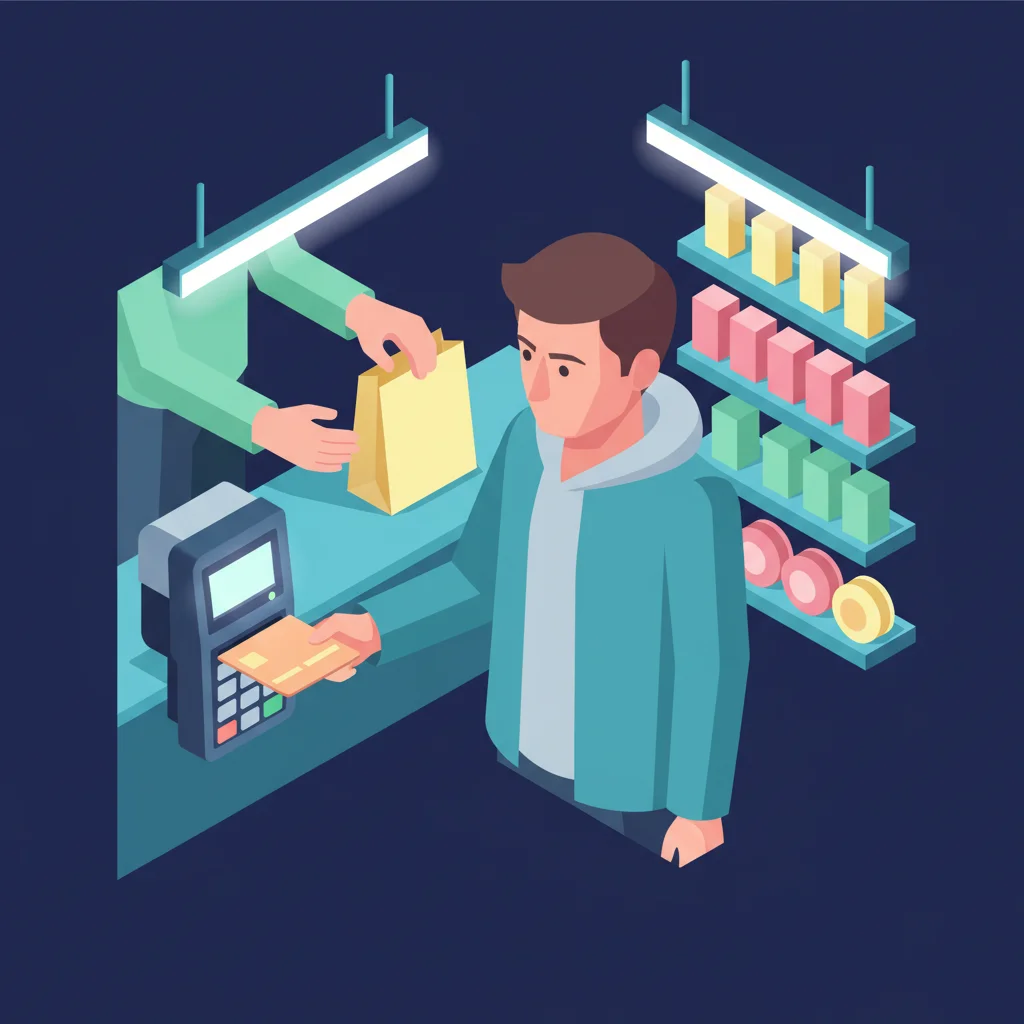
For many, credit cards are a financial paradox: a tool offering both immense convenience and potential pitfalls. They are an integral part of modern banking, providing a flexible payment method, access to credit, and often valuable rewards. However, misunderstanding how they work can lead to debt and financial stress. The key to harnessing their power lies in responsible management and a clear understanding of their mechanics within your overall financial strategy.
This comprehensive guide will demystify credit cards, explaining their various types, how they function, and the critical role they play in building a healthy financial future. We’ll delve into the benefits, risks, and best practices for using credit cards wisely, ensuring you can leverage them to your advantage rather than falling prey to common mistakes. By the end, you'll have the knowledge to make informed decisions about credit cards, from selection to daily use, and integrate them effectively into your personal banking habits.
Credit Cards Definition: Credit cards are financial instruments issued by banks or credit unions, allowing consumers to borrow funds up to a pre-approved limit to make purchases, with the agreement to repay the borrowed amount, often with interest, by a specified due date. They are a cornerstone of modern banking and a critical tool for building credit history.
Understanding Credit Cards in the Banking Landscape
Credit cards are more than just plastic payment tools; they are a fundamental component of the banking system, offering a revolving line of credit that consumers can access. Unlike debit cards, which draw directly from your bank account, credit cards allow you to borrow money from the issuer. This borrowed money must then be repaid, typically on a monthly basis, along with any accrued interest if the balance isn't paid in full.
The banking industry profits from credit cards primarily through interchange fees (paid by merchants), annual fees, and interest charges on outstanding balances. For consumers, credit cards provide convenience, security, and the ability to build a credit history, which is crucial for larger financial endeavors like mortgages or car loans. Understanding this symbiotic relationship is the first step toward mastering credit card usage.
How Credit Cards Work: The Basics
When you use a credit card, you are essentially taking out a short-term loan from the card issuer. The issuer pays the merchant on your behalf, and you then owe that amount back to the issuer. This process involves several key components:
- Credit Limit: This is the maximum amount of money you are allowed to borrow on your card. It's determined by your income, credit score, and debt-to-income ratio.
- Billing Cycle: Typically a 28- to 31-day period during which your purchases are tracked. At the end of the cycle, the issuer generates a statement.
- Statement Balance: The total amount you owe for all purchases, fees, and interest accrued during the billing cycle.
- Minimum Payment Due: The smallest amount you must pay by the due date to keep your account in good standing. This is usually a small percentage of your total balance or a fixed amount.
- Due Date: The specific date by which your payment must be received by the issuer.
- Interest Rate (APR): The annual percentage rate is the cost of borrowing money on your credit card. If you don't pay your full statement balance by the due date, interest will be charged on the outstanding balance, often retroactively from the purchase date.
For example, if your billing cycle ends on the 15th of the month and your due date is the 10th of the next month, you have roughly 25 days to pay your statement balance in full to avoid interest. This period is known as the grace period. Missing a payment or only paying the minimum can lead to interest charges and potential late fees, impacting your financial health.
The Role of Credit Cards in Building Credit History
One of the most significant long-term benefits of responsible credit card use is its impact on your credit score and credit history. Your credit score is a numerical representation of your creditworthiness, derived from information in your credit reports. Lenders use this score to assess the risk of lending you money.
A strong credit history, built through consistent, on-time payments and low credit utilization, signals to lenders that you are a reliable borrower. This can lead to:
- Easier approval for loans (mortgages, auto loans, personal loans)
- Lower interest rates on those loans
- Better terms on insurance policies
- Easier approval for rental applications
- Sometimes even a factor in employment background checks
Conversely, irresponsible credit card use, such as missed payments, high balances, or frequent applications for new credit, can severely damage your credit score. According to Experian's 2025 consumer credit report, individuals with "Very Poor" credit scores (300-579) pay significantly higher interest rates on loans compared to those with "Excellent" scores (800-850), often thousands of dollars more over the life of a loan. This highlights why managing your credit cards effectively is paramount for your financial future.
Types of Credit Cards and Their Features
The credit card market is diverse, offering a wide array of options designed to meet different financial needs and spending habits. Choosing the right card involves understanding the various types available and matching their features to your personal circumstances. Each type serves a specific purpose, from building credit to maximizing rewards.
Navigating the options can be overwhelming, but breaking them down into categories makes the selection process clearer. Whether you're a student, a frequent traveler, or someone looking to consolidate debt, there's likely a credit card tailored for you.
Rewards Credit Cards
Rewards credit cards are popular for their ability to give back a percentage of your spending in the form of points, miles, or cash back. These cards are best suited for individuals who pay their balance in full every month, as the interest charged on an outstanding balance will quickly negate any rewards earned.
Common types of rewards include:
- Cash Back Cards: These cards offer a percentage of your spending back as cash, which can be redeemed as a statement credit, direct deposit, or gift card. Some offer a flat rate (e.g., 1.5% on all purchases), while others have rotating bonus categories (e.g., 5% back on groceries and gas for a quarter).
- Travel Rewards Cards: Ideal for frequent travelers, these cards earn points or miles that can be redeemed for flights, hotel stays, or other travel-related expenses. Many offer lucrative sign-up bonuses and perks like airport lounge access, travel insurance, or free checked bags.
- Points Cards: These cards earn points that can be redeemed for a variety of options, including merchandise, gift cards, travel, or cash back. The value of points can vary significantly depending on the redemption method.
When considering a rewards card, always evaluate the annual fee against the value of the rewards you expect to earn. A card with a high annual fee might be worthwhile if its benefits and rewards significantly outweigh the cost, especially for high spenders. For example, a card offering 3x points on dining might be excellent for someone who eats out frequently.
Secured Credit Cards and Student Credit Cards
These card types are designed for individuals with limited or no credit history, such as students or those looking to rebuild their credit. They serve as stepping stones to traditional, unsecured credit cards.
- Secured Credit Cards: These cards require a cash deposit, which typically serves as your credit limit. For instance, a $300 deposit usually means a $300 credit limit. This deposit acts as collateral, reducing the risk for the issuer. Secured cards report to credit bureaus, allowing users to build a positive credit history through responsible use. After a period of on-time payments (usually 6-12 months), many issuers will "graduate" you to an unsecured card and return your deposit. These are excellent tools for establishing a credit score.
- Student Credit Cards: Tailored for college students, these cards often have lower credit limits and fewer perks than standard rewards cards. They are designed to help students begin building credit responsibly. Many student cards offer small rewards (e.g., 1% cash back) and educational resources on credit management. Eligibility often depends on enrollment in an accredited institution and proof of income, even if it's part-time work.
Both secured and student credit cards are crucial for those starting their credit journey. They offer a controlled environment to learn responsible credit habits, which is vital for future financial stability. According to a 2025 survey by the National Association of Credit Counselors, 65% of young adults who started with a student or secured card reported better financial literacy within two years.
Balance Transfer and Low-Interest Credit Cards
These cards are designed for individuals looking to manage existing debt or minimize interest payments.
- Balance Transfer Cards: These cards allow you to move high-interest debt from one or more existing credit cards to a new card, often with an introductory 0% APR period (e.g., 0% APR for 12-21 months). This can provide a crucial window to pay down debt without accruing additional interest. However, be aware of balance transfer fees (typically 3-5% of the transferred amount) and ensure you can pay off the transferred balance before the promotional period ends, as regular APRs can be quite high.
- Low-Interest Credit Cards: These cards are designed for consumers who anticipate carrying a balance from month to month. They offer a lower ongoing APR compared to standard rewards cards, which often have higher rates to offset the cost of rewards programs. While they may not offer extensive rewards, the savings on interest can be substantial if you frequently carry a balance. For example, a card with a 12% APR is far more cost-effective than one with a 24% APR if you consistently carry a $2,000 balance.
Choosing between a balance transfer and a low-interest card depends on your current debt situation and repayment strategy. If you have a specific amount of high-interest debt you can pay off within a defined period, a balance transfer card is ideal. If you anticipate needing to carry a balance regularly, a low-interest card will save you money over time. Always compare the APRs, fees, and terms carefully before committing to a credit card that impacts your debt.
The Benefits and Risks of Credit Card Usage
Credit cards, when used responsibly, offer a multitude of benefits that can enhance financial flexibility and security. However, they also come with inherent risks that, if ignored, can lead to significant financial distress. A balanced understanding of both sides is crucial for effective credit card management.
Leveraging the advantages while mitigating the downsides is the hallmark of a financially savvy individual. This section will explore the primary benefits and potential pitfalls, providing a comprehensive view to help you make informed decisions.
Advantages of Using Credit Cards
The benefits of credit cards extend beyond simple purchasing power. They are powerful financial tools that can offer convenience, security, and financial growth.
- Convenience and Flexibility: Credit cards are widely accepted globally, making them a convenient payment method for online purchases, travel, and everyday spending. They eliminate the need to carry large amounts of cash and offer a flexible way to pay for unexpected expenses.
- Building Credit History: As discussed, responsible credit card use is one of the most effective ways to establish and improve your credit score. A good credit score is essential for securing loans, mortgages, and favorable interest rates in the future.
- Fraud Protection: Credit cards offer robust fraud protection. If your card is stolen or used fraudulently, you typically have zero liability for unauthorized charges, meaning the card issuer covers the loss. This is a significant advantage over debit cards, where fraudulent activity can directly deplete your bank account.
- Rewards and Perks: Many credit cards offer valuable rewards programs, including cash back, travel miles, or points that can be redeemed for various goods and services. Some cards also provide additional perks like purchase protection, extended warranties, rental car insurance, and concierge services.
- Emergency Fund Supplement: While not a substitute for a dedicated emergency fund, a credit card can provide a financial safety net for unexpected emergencies, such as medical bills or car repairs, when immediate cash is unavailable.
- Tracking Expenses: Credit card statements provide a detailed record of your spending, which can be helpful for budgeting, tracking expenses, and tax purposes. Many banking apps integrate this data for easy categorization.
For example, a study by the Federal Reserve in 2025 indicated that credit card fraud losses were significantly lower for consumers compared to debit card fraud, primarily due to stronger consumer protections on credit cards. This highlights the security aspect of using credit cards.
Potential Risks and How to Avoid Them
Despite their benefits, credit cards carry substantial risks, primarily related to debt accumulation and its impact on your financial health. Being aware of these risks and actively working to avoid them is paramount.
- High-Interest Debt: The most significant risk is accumulating high-interest debt. If you don't pay your statement balance in full each month, interest charges can quickly compound, making it difficult to pay off the principal. Average credit card APRs in 2026 hover around 20-25%, which can turn a small purchase into a much larger financial burden if not managed.
- Damaged Credit Score: Missed payments, high credit utilization (using a large percentage of your available credit), and frequent applications for new credit can negatively impact your credit score, making it harder to obtain future loans or favorable rates.
- Fees and Penalties: Credit cards can come with various fees, including annual fees, late payment fees, over-limit fees, and balance transfer fees. These can add up and erode any rewards or benefits you might gain. For instance, a typical late payment fee in 2026 is around $30-$40.
- Overspending: The ease of using a credit card can lead to overspending, as it doesn't feel like "real" money leaving your account immediately. This can create a cycle of debt that is hard to break.
- Identity Theft and Fraud: While credit cards offer fraud protection, they are still targets for identity theft. If your card information is compromised, dealing with the aftermath can be time-consuming and stressful, even if you're not liable for the charges.
To mitigate these risks, always strive to pay your credit card balance in full every month. If that's not possible, pay as much as you can above the minimum. Set up automatic payments to avoid late fees. Monitor your spending and credit card statements regularly for any unauthorized activity. Keep your credit utilization ratio (the amount of credit you're using compared to your total available credit) below 30% to maintain a healthy credit score.
Choosing and Applying for the Right Credit Card
Selecting the appropriate credit card is a critical financial decision that can impact your budget, credit score, and overall financial well-being. With countless options available, it's essential to approach the selection process strategically, considering your financial habits, goals, and credit profile.
Applying for a credit card also requires careful consideration, as each application can temporarily affect your credit score. Understanding the process and what issuers look for can help you increase your chances of approval and secure the best terms. This section will guide you through identifying the ideal credit card for your needs and navigating the application journey.
Factors to Consider When Choosing a Credit Card
Before applying for any credit card, take the time to assess your financial situation and spending patterns. This self-assessment will narrow down the options and help you find a card that genuinely benefits you.
Here are key factors to consider:
- Your Credit Score: Your current credit score is a primary determinant of which cards you qualify for.
- Excellent (740-850): Access to premium rewards cards, low APRs, and lucrative sign-up bonuses.
- Good (670-739): Many rewards cards and competitive APRs.
- Fair (580-669): Limited options, possibly higher APRs, secured cards, or cards for building credit.
- Poor (300-579): Primarily secured cards or cards with very high fees/APRs.
- Spending Habits:
- Do you pay your balance in full every month? If yes, focus on rewards cards with high earning rates and sign-up bonuses.
- Do you carry a balance? Prioritize low-APR cards to minimize interest charges.
- Where do you spend the most? Look for cards that offer bonus rewards in your top spending categories (e.g., groceries, gas, travel, dining).
- Annual Fees: Some premium rewards cards come with annual fees, ranging from $50 to $500+. Evaluate if the benefits and rewards you'll receive genuinely outweigh this cost. For example, a card with a $95 annual fee might offer $300 in travel credits, making it a net positive.
- Interest Rates (APR): While less critical if you pay in full, the APR is vital if you anticipate carrying a balance. Compare rates and understand if the card has a variable or fixed APR.
- Rewards Program: Understand how rewards are earned and redeemed. Are they flexible? Do they expire? What is the actual value of a point or mile?
- Sign-up Bonuses: Many cards offer significant bonuses for meeting a spending threshold within the first few months (e.g., "Spend $3,000 in 3 months, get 50,000 bonus points"). These can be very valuable but ensure you can meet the spending requirement without overspending.
- Other Benefits: Look for perks like travel insurance, purchase protection, extended warranty, no foreign transaction fees, or complimentary subscriptions.
A thorough comparison of these factors will help you select a credit card that aligns with your financial strategy and maximizes your benefits.
The Credit Card Application Process
Once you've identified a suitable credit card, the application process is generally straightforward but requires accurate information.
Here's a typical overview:
Gather Information: You'll need personal details (name, address, date of birth, Social Security Number), employment information (employer, occupation, income), and financial details (housing costs, existing debts).
Online Application: Most applications are completed online directly through the issuer's website. This is often the quickest method.
Credit Check: The issuer will perform a "hard inquiry" on your credit report. This temporarily lowers your credit score by a few points but is a necessary step for credit approval.
Decision: You may receive an instant approval, a pending decision (requiring further review), or a denial. If denied, the issuer is legally required to provide a reason.
Receiving the Card: If approved, your card will typically arrive by mail within 7-10 business days. You'll then need to activate it before use.
Tips for a successful application:
- Check your credit score beforehand: Use free services like Credit Karma or your bank's credit monitoring tool to understand your eligibility.
- Be honest: Provide accurate information on your application. Falsifying information can lead to denial or account closure.
- Don't apply for too many cards at once: Multiple hard inquiries in a short period can negatively impact your credit score. Financial advisors generally recommend waiting at least 6 months between applications, especially if you have a limited credit history.
- Understand the terms and conditions: Read the fine print regarding APR, fees, and rewards before submitting your application.
By carefully considering your options and understanding the application process, you can confidently choose and secure a credit card that serves your financial goals.
Managing Your Credit Cards Responsibly
Responsible credit card management is the cornerstone of a healthy financial life. It involves more than just making payments; it encompasses strategic usage, diligent monitoring, and a clear understanding of how your actions impact your credit and overall financial standing. Mismanagement can lead to a spiral of debt and a damaged credit score, making future financial goals harder to achieve.
This section will provide actionable strategies for maintaining good credit card habits, from payment discipline to leveraging tools for smart spending. Mastering these practices will empower you to utilize credit cards as valuable assets rather than liabilities.
Best Practices for Credit Card Use
Adopting a disciplined approach to credit card usage can unlock their full potential while minimizing risks.
Here are essential best practices:
- Pay Your Balance in Full and On Time: This is the golden rule of credit card management. Paying your statement balance in full by the due date avoids interest charges and builds a positive payment history, which accounts for 35% of your FICO score. Set up automatic payments to ensure you never miss a due date.
- Keep Your Credit Utilization Low: Aim to keep your credit utilization ratio below 30% across all your cards. This ratio (total balance owed divided by total available credit) is a significant factor in your credit score, accounting for 30% of your FICO score. For example, if you have a $10,000 total credit limit, try to keep your combined balances below $3,000.
- Monitor Your Statements Regularly: Review your monthly statements for accuracy, unauthorized charges, and to track your spending. Report any suspicious activity immediately to your card issuer.
- Understand Your Card's Terms: Be aware of your APR, annual fees, late payment fees, and any other charges. Knowing these details helps you avoid surprises and manage your card effectively.
- Avoid Cash Advances: Cash advances typically come with high fees (often 3-5% of the amount) and start accruing interest immediately, without a grace period. Use them only in extreme emergencies.
- Don't Close Old Accounts Unnecessarily: Closing old credit card accounts, especially those with a long history and no balance, can negatively impact your credit score by reducing your total available credit and shortening your average age of accounts.
- Use Rewards Strategically: If you have a rewards card, understand how to maximize your earnings and redeem them for the best value. Don't overspend just to earn rewards.
By consistently following these practices, you can maintain a strong credit profile and maximize the benefits your credit cards offer.
Tools and Strategies for Debt Management
Despite best intentions, sometimes debt can accumulate. When this happens, having a clear strategy and utilizing available tools can help you regain control.
- Budgeting: A detailed budget is the foundation of debt management. Track your income and expenses to identify where your money is going and find areas to cut back to free up funds for debt repayment. Tools like Mint, YNAB, or even a simple spreadsheet can help.
- Debt Snowball or Debt Avalanche Method:
- Debt Snowball: Pay off your smallest debt first while making minimum payments on others. Once the smallest is paid, roll that payment amount into the next smallest debt. This method provides psychological wins.
- Debt Avalanche: Focus on paying off the debt with the highest interest rate first, while making minimum payments on others. This method saves you the most money on interest over time.
- Choose the method that best motivates you to stick with your repayment plan.
- Balance Transfers: As discussed, a 0% APR balance transfer card can give you a critical window to pay down high-interest debt without additional interest charges. Ensure you have a plan to pay off the balance before the promotional period ends.
- Debt Consolidation Loans: A personal loan with a lower interest rate can be used to pay off multiple high-interest credit card debts, simplifying your payments into one monthly installment. This can be beneficial if you qualify for a good rate.
- Negotiate with Creditors: If you're struggling to make payments, contact your credit card issuer. They may be willing to work with you on a payment plan, lower your interest rate, or offer hardship programs.
- Credit Counseling: Non-profit credit counseling agencies can provide guidance, help you create a budget, and sometimes negotiate with creditors on your behalf through a Debt Management Plan (DMP). Be sure to choose a reputable agency.
According to a 2025 report by the National Foundation for Credit Counseling (NFCC), individuals who participate in credit counseling and debt management plans successfully reduce their debt by an average of $10,000 within three years. This demonstrates the effectiveness of structured debt management strategies. Proactive management and utilizing these tools are key to overcoming credit card debt.
Credit Cards and Your Financial Future
Credit cards are not just transactional tools; they are powerful instruments that significantly influence your long-term financial health. Their impact extends far beyond your monthly statement, affecting your ability to secure loans, purchase assets, and even achieve major life milestones. Understanding this broader context is vital for integrating them effectively into your overall financial planning.
By leveraging credit cards strategically, you can build a robust financial foundation, unlock better opportunities, and achieve greater financial freedom. This section will explore the long-term implications of credit card use and how they fit into your broader financial strategy.
The Long-Term Impact on Financial Goals
Your credit card habits today directly shape your financial opportunities tomorrow. A strong credit history, primarily built through responsible credit card use, is a prerequisite for many significant financial milestones.
- Homeownership: Lenders scrutinize credit scores and debt-to-income ratios when approving mortgages. A good credit score (typically 700+ for favorable rates) can save you tens of thousands of dollars in interest over the life of a 30-year mortgage. For example, on a $300,000 mortgage, a 1% lower interest rate could save over $60,000 in interest payments.
- Auto Loans: Similar to mortgages, a higher credit score translates to lower interest rates on car loans, reducing your monthly payments and overall cost of the vehicle.
- Personal Loans: Whether for home improvements, medical expenses, or debt consolidation, personal loans are more accessible and affordable with good credit.
- Insurance Premiums: In many states, insurance companies use credit-based insurance scores to determine premiums for auto and home insurance. A better score can lead to lower rates.
- Renting an Apartment: Landlords often check credit reports to assess a prospective tenant's reliability. A poor credit history can make it difficult to secure a rental or may require a larger security deposit.
- Entrepreneurship: Small business loans and lines of credit often rely on the owner's personal credit score, especially for new businesses.
Conversely, a history of missed payments or high credit card debt can severely hinder these goals, leading to loan denials, higher interest rates, or the inability to qualify for essential services. The average American household credit card debt was approximately $6,200 as of Q4 2025, according to the Federal Reserve. Managing this debt is crucial for future financial success.
Integrating Credit Cards into Your Overall Financial Strategy
Credit cards should be viewed as one tool within a broader financial toolkit, working in conjunction with savings, investments, and budgeting.
Here’s how to integrate them effectively:
- Budgeting and Tracking: Use your credit card statements as a tool for budgeting. Categorize your spending to understand where your money goes. Many banking apps and budgeting software integrate directly with credit card accounts.
- Emergency Fund: While credit cards can act as a temporary safety net, they should not replace a dedicated emergency fund. Aim to have 3-6 months of living expenses saved in an easily accessible account. This prevents you from relying on high-interest credit for unexpected costs.
- Investment Strategy: As you build credit and manage debt, you free up more capital for investments. The money saved on interest payments can be redirected to retirement accounts (like a 401(k) or IRA) or other investment vehicles.
- Financial Goals: Align your credit card usage with your financial goals. If you're saving for a down payment, avoid unnecessary credit card debt. If you're building credit for a future loan, focus on consistent, on-time payments and low utilization.
- Regular Credit Monitoring: Regularly check your credit report (you're entitled to a free report from each of the three major bureaus annually at AnnualCreditReport.com) and credit score. This helps you spot errors, identify potential identity theft, and track your progress.
- Diversify Your Credit: As your credit history improves, consider diversifying your credit portfolio with different types of credit (e.g., a credit card, a small personal loan, an auto loan). This can further strengthen your credit profile, demonstrating your ability to manage various forms of debt responsibly.
By viewing credit cards as a strategic component of your financial plan, rather than just a payment method, you can harness their power to achieve your long-term aspirations. Responsible use and integration are key to building a secure and prosperous financial future. For more insights on financial planning, explore our personal finance articles.
Frequently Asked Questions
What is the average credit card interest rate in 2026?
As of March 2026, the average credit card interest rate (APR) for new offers is approximately 20-25%, though this can vary significantly based on your creditworthiness and the specific card type. Rewards cards often have higher APRs, while low-interest cards aim for the lower end of this range.
How often should I check my credit score and report?
You should check your credit score at least once a month through free services provided by banks or credit monitoring apps. You are entitled to a free copy of your credit report from each of the three major bureaus (Experian, Equifax, TransUnion) once every 12 months via AnnualCreditReport.com. It's advisable to check one report every four months to monitor for errors or fraud throughout the year.
Is it better to have multiple credit cards or just one?
Having multiple credit cards can be beneficial for your credit score if managed responsibly, as it increases your total available credit, which can lower your credit utilization ratio. However, it also requires more discipline to avoid overspending and ensure all payments are made on time. For beginners, starting with one or two cards is often recommended.
What is a good credit utilization ratio?
A good credit utilization ratio is generally considered to be below 30%. This means you should aim to use no more than 30% of your total available credit across all your credit cards. For example, if you have a total credit limit of $10,000, try to keep your combined balances below $3,000. Lower is always better.
Can I get a credit card with no credit history?
Yes, it is possible to get a credit card with no credit history. Options include secured credit cards (which require a cash deposit), student credit cards, or becoming an authorized user on someone else's account. These cards are designed to help you build your credit profile responsibly.
What happens if I only pay the minimum payment on my credit card?
If you only pay the minimum payment, you will accrue interest on the remaining balance, which can significantly increase the total cost of your purchases and extend the time it takes to pay off the debt. It also means a larger portion of your payment goes towards interest rather than the principal, making it harder to reduce your debt.
How do credit card rewards programs work?
Credit card rewards programs typically offer points, miles, or cash back for every dollar spent. The earning rate varies by card and spending category. Rewards can be redeemed for statement credits, gift cards, travel, merchandise, or other options, depending on the card issuer. Always ensure the value of the rewards outweighs any annual fees or potential interest charges.
Key Takeaways
- Credit cards are powerful financial tools: They offer convenience, security, and the ability to build a strong credit history, essential for future financial goals like mortgages and car loans.
- Responsible use is paramount: Always pay your statement balance in full and on time to avoid high-interest charges and late fees. This is the single most important rule for credit card management.
- Credit score impact: Your credit card habits directly influence your credit score, which affects interest rates on loans, insurance premiums, and even rental applications.
- Keep utilization low: Maintain your credit utilization ratio below 30% to positively impact your credit score and demonstrate responsible borrowing.
- Choose wisely: Select a credit card that aligns with your spending habits and financial goals, whether it's for rewards, building credit, or managing debt.
- Monitor and manage: Regularly review your statements, understand your card's terms, and utilize budgeting and debt management strategies if you accumulate debt.
- Integrate into your financial plan: View credit cards as part of your broader financial strategy, working alongside savings and investments to achieve long-term financial stability.
Conclusion
Credit cards are an indispensable part of modern banking, offering both incredible flexibility and significant responsibility. They can be a gateway to financial freedom, enabling you to make purchases securely, earn valuable rewards, and build a robust credit history that opens doors to major life milestones. However, their power comes with the inherent risk of debt if not managed with discipline and understanding.
By grasping the mechanics of credit cards, selecting the right options for your needs, and adhering to best practices like paying balances in full and keeping utilization low, you can transform these financial instruments into powerful allies. Remember, your credit card choices today will profoundly shape your financial future. Use the knowledge gained from this guide to make informed decisions, cultivate responsible habits, and leverage credit cards as a strategic tool to achieve your financial aspirations.
Disclaimer: This article is for informational and educational purposes only and does not constitute financial, investment, or tax advice. Always consult a qualified financial advisor before making investment decisions.
The information provided in this article is for educational purposes only and does not constitute financial, investment, or legal advice. Always consult with a qualified financial advisor, tax professional, or legal counsel for personalized guidance tailored to your specific situation before making any financial decisions.
Comments
No comments yet. Be the first to comment!
More from Banking

Explore Related Guides
Expert reviews of Gold IRA companies, rollover guides, fees, and IRS rules.
Comprehensive investment strategies covering stocks, bonds, ETFs, crypto, and real estate.
Master budgeting, debt management, taxes, and financial planning for your situation.