
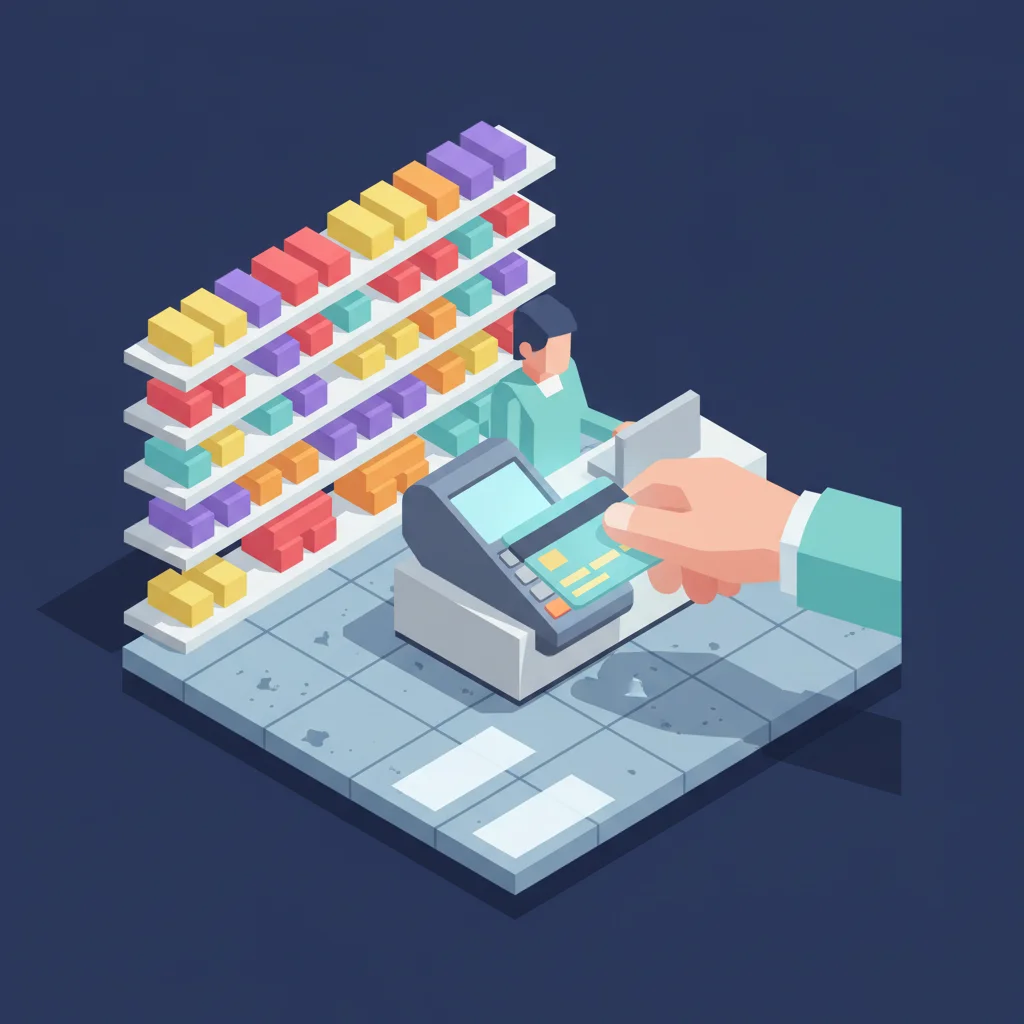
For many, credit cards are a cornerstone of modern financial life, offering convenience, rewards, and a crucial pathway to building a strong financial future. Yet, they are often misunderstood, leading to common pitfalls like debt and damaged credit. Navigating the world of credit cards requires a clear understanding of how they work, their benefits, and their potential risks. In fact, a 2025 report by the American Bankers Association indicated that over 70% of U.S. adults actively use at least one credit card, highlighting their widespread adoption and importance. This article will demystify credit cards, providing you with the knowledge to use them wisely, avoid common traps, and leverage them as powerful tools within your overall banking strategy.
Credit Cards Definition: A credit card is a payment card issued by a financial institution, allowing the cardholder to borrow funds to pay for goods and services with the understanding that the borrowed money will be repaid, usually with interest, at a later date.
Understanding the Fundamentals of Credit Cards
Credit cards are more than just plastic rectangles; they represent a line of credit extended to you by a lender. When you use a credit card, you're essentially taking out a short-term loan. This fundamental concept is key to understanding how to manage them effectively and avoid accumulating debt. Unlike debit cards, which draw directly from your bank account, credit cards allow you to spend money you don't currently have, up to a pre-approved credit limit.
The financial institution issuing the card, often a bank, assesses your creditworthiness before approving you for a card and setting your limit. This assessment typically involves reviewing your credit history, income, and existing debt obligations. The terms and conditions of your card, including interest rates, fees, and rewards programs, are outlined in your cardholder agreement. Understanding these terms is paramount to responsible credit card use.
How Credit Cards Work
When you swipe, tap, or enter your credit card details online, the transaction initiates a process involving several parties. The merchant's payment processor communicates with your card network (like Visa or Mastercard), which then contacts your issuing bank. The bank verifies that you have sufficient available credit and approves the transaction. The merchant then receives payment, and the amount is added to your credit card balance.
At the end of each billing cycle, typically once a month, you receive a statement detailing all your purchases, payments, and any interest charged. You then have a grace period, usually 21-25 days, to pay your balance in full without incurring interest. If you pay the full statement balance by the due date, you avoid interest charges entirely. If you only pay the minimum payment due, the remaining balance carries over to the next billing cycle, and interest will be applied. This is where credit card debt can quickly accumulate.
Key Terms and Concepts
To effectively manage your credit cards, it's crucial to understand the associated terminology. These terms directly impact your financial obligations and credit health.
- Credit Limit: This is the maximum amount of money you are allowed to borrow on your credit card. Exceeding this limit can result in fees and negatively impact your credit score.
- Annual Percentage Rate (APR): The annual rate of interest charged on outstanding credit card balances. This is expressed as a yearly rate, but interest is typically calculated daily or monthly. A high APR means higher interest costs if you carry a balance.
- Grace Period: The time between the end of your billing cycle and the payment due date, during which you can pay your balance in full without incurring interest charges. This period is usually around 21-25 days.
- Minimum Payment Due: The smallest amount you must pay by the due date to keep your account in good standing. Paying only the minimum can lead to significant interest charges and a longer repayment period.
- Statement Balance: The total amount you owe on your credit card at the end of a billing cycle. This is the amount you need to pay to avoid interest charges.
- Available Credit: The difference between your credit limit and your current outstanding balance. This is how much more you can charge on your card.
- Credit Utilization Ratio: The percentage of your total available credit that you are currently using. A lower ratio (ideally below 30%) is generally better for your credit score. For example, if you have a $10,000 credit limit and a $3,000 balance, your utilization is 30%.
- Annual Fee: A yearly fee charged by some credit card issuers, often for cards with premium rewards or benefits.
- Cash Advance: Withdrawing cash using your credit card. This typically comes with higher fees and interest rates that start accruing immediately, with no grace period.
- Balance Transfer: Moving debt from one credit card to another, often to take advantage of a lower introductory APR.
The Benefits and Risks of Using Credit Cards
Credit cards, when used responsibly, offer a multitude of benefits that can enhance your financial life. However, they also come with significant risks if not managed carefully. Understanding both sides of the coin is essential for making informed decisions. The key is to leverage the advantages while diligently avoiding the pitfalls.
Advantages of Responsible Credit Card Use
Credit cards provide convenience and security that cash and debit cards often cannot match. They are widely accepted globally, making international travel and online purchases seamless. Beyond transactional ease, they offer a host of financial advantages.
- Building Credit History: This is perhaps the most significant long-term benefit. Consistently using a credit card and paying your bills on time helps establish a positive credit history, which is crucial for securing loans (mortgages, car loans), renting an apartment, and even for some employment opportunities. A strong credit score, like a FICO Score of 760 or higher, can unlock better interest rates and terms on future borrowing.
- Fraud Protection: Credit cards generally offer robust fraud protection. If your card is stolen or compromised, you are typically not liable for unauthorized charges, or your liability is limited (often to $50 under federal law). This offers a layer of security that debit cards often lack, as fraudulent debit card transactions can directly drain your bank account.
- Rewards and Benefits: Many credit cards offer rewards programs, including cashback, travel points, airline miles, or discounts on specific purchases. These rewards can provide significant value over time. Some premium cards also offer perks like travel insurance, extended warranties, purchase protection, and concierge services. According to a 2025 survey by J.D. Power, over 60% of credit card holders actively redeem rewards, with cashback being the most popular option.
- Emergency Fund Supplement: While not a substitute for a dedicated emergency fund, a credit card can serve as a lifeline in unexpected situations, such as urgent medical expenses or car repairs, especially if you can pay it off quickly.
- Convenience and Record Keeping: Credit cards eliminate the need to carry large amounts of cash. They also provide a detailed record of your spending through monthly statements, which can be helpful for budgeting and tracking expenses.
Potential Risks and How to Mitigate Them
Despite the benefits, credit cards carry inherent risks that can lead to financial distress if not managed properly. The ease of access to credit can be a double-edged sword.
- Accumulating High-Interest Debt: This is the most significant risk. If you carry a balance and don't pay your statement in full each month, you'll incur interest charges, which can quickly compound. Credit card APRs can range from 15% to over 30% as of early 2026, making them one of the most expensive forms of debt. A $5,000 balance at 20% APR could cost you $1,000 in interest annually if not paid down.
- Damaging Your Credit Score: Late payments, missed payments, high credit utilization, and defaulting on your account can severely damage your credit score. A poor credit score can make it difficult to obtain future loans, rent housing, or even get certain jobs.
- Overspending: The ability to buy now and pay later can tempt individuals to spend beyond their means. This can lead to a cycle of debt where you're constantly paying off old purchases while making new ones.
- Fees and Penalties: Beyond interest, credit cards can come with various fees, including annual fees, late payment fees, over-limit fees, and cash advance fees. These can add up and erode any rewards earned. For instance, a typical late payment fee can be up to $41 as of 2026.
- Identity Theft and Fraud: While credit cards offer fraud protection, they are also a common target for identity thieves. If your card information is stolen, it can lead to unauthorized purchases and a lengthy process to resolve the issue, even if you're not liable for the charges.
To mitigate these risks, always strive to pay your statement balance in full and on time every month. Keep your credit utilization low, and regularly monitor your account for unauthorized activity. Set up payment reminders and consider automatic payments to avoid missing due dates.
Choosing the Right Credit Card for Your Needs
With a vast array of credit cards available, selecting the right one can feel overwhelming. The "best" credit card isn't universal; it depends entirely on your financial habits, credit score, and what you hope to achieve with the card. Whether you're looking to build credit, earn rewards, or transfer a balance, there's a card designed for you.
Types of Credit Cards
Different credit cards cater to different financial goals and credit profiles. Understanding the primary categories will help you narrow down your options.
- Rewards Credit Cards: These cards offer incentives for spending, such as cashback, travel points, or airline miles. They are best for individuals who pay their balance in full every month and want to be rewarded for their regular spending.
- Cashback Cards: Offer a percentage of your spending back as cash, typically 1% to 5% on specific categories.
- Travel Rewards Cards: Accumulate points or miles that can be redeemed for flights, hotels, or other travel-related expenses. Often come with higher annual fees but offer premium travel perks.
- Low-Interest/Balance Transfer Credit Cards: Designed for those who anticipate carrying a balance or want to consolidate existing high-interest debt. They typically offer a low or 0% introductory APR for a set period (e.g., 12-21 months) on purchases or balance transfers.
- Balance Transfer Cards: Allow you to move debt from one card to another, often with a promotional 0% APR period, to save on interest. Be aware of balance transfer fees, which are typically 3-5% of the transferred amount.
- Secured Credit Cards: Ideal for individuals with no credit history or poor credit. These cards require a cash deposit, which acts as collateral and often becomes your credit limit. They function like regular credit cards, and responsible use helps build credit. After a period of on-time payments, you may qualify for an unsecured card and get your deposit back.
- Student Credit Cards: Tailored for college students, these cards often have lower credit limits and may offer rewards or educational tools to help students learn about credit. They are designed to help young adults establish their credit history responsibly.
- Business Credit Cards: Designed for business owners, these cards help separate personal and business expenses, offer higher credit limits, and often provide business-specific rewards or expense tracking tools.
Factors to Consider When Choosing a Card
When evaluating potential credit cards, look beyond just the flashy rewards. A holistic approach will ensure the card aligns with your financial strategy.
- Your Credit Score: Your credit score (e.g., FICO Score, VantageScore) is a primary determinant of which cards you qualify for. Excellent credit (740+) opens up premium rewards cards, while fair or poor credit may necessitate a secured card or a card designed for rebuilding credit.
- Spending Habits: Do you spend a lot on groceries, gas, travel, or dining out? Choose a card that offers accelerated rewards in your highest spending categories. If you rarely use a card, a simple cashback card might be best.
- Ability to Pay in Full: If you consistently pay your balance in full every month, a rewards card with a higher APR might be suitable, as you won't incur interest. If you anticipate carrying a balance, a low-APR card is a better choice.
- Annual Fees: Decide if the card's benefits and rewards outweigh any annual fee. For example, a travel card with a $95 annual fee might be worth it if you earn hundreds of dollars in travel rewards and perks.
- APR (Interest Rate): This is critical if you carry a balance. Look for the lowest possible APR. Remember, introductory 0% APR offers are temporary.
- Other Fees: Be aware of balance transfer fees, cash advance fees, foreign transaction fees (important for international travelers), and late payment fees.
- Sign-Up Bonuses: Many cards offer attractive sign-up bonuses (e.g., "Earn $200 cashback after spending $500 in the first 3 months"). Factor these into your decision, but don't let them be the sole reason you choose a card, especially if the ongoing benefits don't align with your needs.
- Customer Service and Mobile App: Consider the issuer's reputation for customer service and the functionality of their mobile app for managing your account.
| Card Type | Best For | Key Feature | Typical APR (Variable, as of early 2026) | Annual Fee |
|---|---|---|---|---|
| Cashback Rewards | Everyday spending, paying balance in full | Earns percentage back on purchases | 18% - 25% | $0 - $95 |
| Travel Rewards | Frequent travelers, paying balance in full | Earns points/miles for travel, travel perks | 19% - 26% | $0 - $550+ |
| Low-Interest/BT | Carrying a balance, debt consolidation | Low or 0% intro APR on purchases/transfers | 15% - 22% (after intro period) | $0 - $50 |
| Secured Card | Building/rebuilding credit | Requires cash deposit as collateral | 20% - 25% | $0 - $39 |
| Student Card | College students establishing credit | Lower limits, credit-building focus | 18% - 25% | $0 |
Mastering Credit Card Management
Responsible credit card management is a learned skill that can significantly impact your financial health. It involves more than just making payments; it's about strategic use, budgeting, and proactive monitoring. By adopting sound practices, you can maximize benefits and minimize risks.
Strategies for Responsible Use
The golden rule of credit card management is to pay your statement balance in full every month. This single action prevents interest charges and ensures you are using the card as a convenience tool rather than a debt trap.
- Pay Your Bill in Full and On Time: Set up automatic payments for your full statement balance to ensure you never miss a due date. If automatic payments aren't feasible, set calendar reminders. Late payments can incur fees (up to $41 as of 2026) and negatively impact your credit score for up to seven years.
- Keep Credit Utilization Low: Aim to keep your credit utilization ratio below 30% across all your cards. For optimal credit scores, many experts recommend keeping it below 10%. If your credit limit is $10,000, try to keep your balance under $3,000.
- Create a Budget: Integrate your credit card spending into your overall budget. Only charge what you know you can afford to pay back before the due date. Tools like Mint or YNAB can help you track your spending.
- Monitor Your Statements Regularly: Review your credit card statements for any unauthorized charges or errors. Report discrepancies immediately. This also helps you track your spending and identify areas where you might be overspending.
- Avoid Cash Advances: Cash advances come with high fees (typically 3-5% of the amount) and interest rates that start accruing immediately, with no grace period. Use them only as a last resort in extreme emergencies.
- Understand Your Card's Features: Familiarize yourself with your card's rewards program, benefits (e.g., purchase protection, extended warranty), and any foreign transaction fees if you travel internationally.
- Be Wary of Introductory Offers: While 0% APR offers can be beneficial for balance transfers or large purchases, remember that the promotional period ends. Ensure you can pay off the balance before the regular, higher APR kicks in.
Building and Maintaining Excellent Credit
Your credit score is a numerical representation of your creditworthiness. A higher score signifies lower risk to lenders, leading to better terms on loans and other financial products. Credit cards are instrumental in building this score.
- Payment History (35% of FICO Score): This is the most important factor. Always pay on time. Even one late payment can significantly drop your score.
- Amounts Owed / Credit Utilization (30% of FICO Score): Keep your balances low relative to your credit limits. As mentioned, under 30% is good, under 10% is excellent.
- Length of Credit History (15% of FICO Score): The longer you've had credit accounts open and in good standing, the better. Don't close old accounts, even if you don't use them, as this can shorten your average account age.
- New Credit (10% of FICO Score): Opening too many new accounts in a short period can be seen as risky. Apply for new credit only when necessary. Hard inquiries stay on your report for two years.
- Credit Mix (10% of FICO Score): Having a mix of different types of credit (e.g., credit cards, installment loans like a mortgage or car loan) can positively impact your score, showing you can manage various forms of debt.
Regularly check your credit report from all three major bureaus (Experian, Equifax, TransUnion) at AnnualCreditReport.com. You are entitled to a free report from each bureau once every 12 months. Review it for errors and dispute any inaccuracies promptly. A 2025 Consumer Reports study found that roughly 1 in 5 consumers found at least one error on their credit report.
Advanced Credit Card Strategies
Once you've mastered the basics of responsible credit card use, you can explore more advanced strategies to maximize their benefits. These tactics can help you save money, earn more rewards, and optimize your financial portfolio.
Leveraging Rewards Programs
For those who pay their balances in full every month, rewards cards can be incredibly lucrative. The key is to match the card's rewards structure with your natural spending habits.
- Category-Specific Rewards: Some cards offer higher rewards (e.g., 5% cashback) on rotating categories (like groceries, gas, or online shopping) or fixed categories. Maximize these by using the appropriate card for specific purchases. For example, use your 5% grocery card at the supermarket, and your 3% gas card at the pump.
- Travel Hacking: For frequent travelers, collecting points and miles can lead to free flights, hotel stays, and upgrades. This often involves strategically earning sign-up bonuses on new travel cards, understanding transfer partners (e.g., transferring bank points to airline miles), and redeeming points for maximum value. A single sign-up bonus could be worth a round-trip domestic flight.
- Statement Credits and Redemptions: Understand how to best redeem your rewards. Some cards offer statement credits, direct deposits, or gift cards. Travel cards often provide the best value when points are redeemed for travel through their portal or transferred to airline/hotel partners.
- Product Change vs. New Application: If a card's benefits no longer suit you, consider a "product change" to a different card within the same issuer's portfolio. This can help you avoid a new hard inquiry on your credit report and preserve the age of your credit account.
Balance Transfers and Debt Consolidation
If you're carrying high-interest credit card debt, a balance transfer can be a powerful tool to save money on interest and accelerate your debt repayment.
- How it Works: You transfer the balance from one or more high-interest credit cards to a new card that offers a promotional 0% APR on balance transfers for a specific period (e.g., 12-21 months).
- Considerations:
- Balance Transfer Fee: Most balance transfer cards charge a fee, typically 3-5% of the transferred amount. Factor this into your savings calculation.
- Pay Off Before Intro Period Ends: It's crucial to pay off the transferred balance entirely before the 0% APR period expires. If you don't, the remaining balance will be subject to the card's regular, higher APR.
- New Purchases: Be cautious about making new purchases on the balance transfer card, as these may not be covered by the 0% APR and could accrue interest immediately.
- Impact on Credit Score: A balance transfer involves opening a new account, which can temporarily ding your score due to a hard inquiry. However, reducing your credit utilization on other cards can ultimately boost your score.
Credit Card Security Best Practices
Protecting your credit card information is paramount in an age of increasing cyber threats. Proactive measures can safeguard your finances.
- Secure Online Shopping: Only make purchases on secure websites (look for "https://" in the URL and a padlock icon). Avoid saving your card information on unfamiliar websites.
- Monitor Your Statements and Credit Reports: Regularly check your credit card statements for suspicious activity. Sign up for alerts from your bank for large transactions or unusual activity. Check your credit reports annually for accounts you don't recognize.
- Protect Your Physical Card: Keep your card in a secure place. Never lend it to anyone. Be wary of "skimmers" at ATMs or gas pumps that can steal your card data.
- Strong Passwords and Two-Factor Authentication: Use strong, unique passwords for your online banking and credit card accounts. Enable two-factor authentication (2FA) whenever possible for an added layer of security.
- Report Lost or Stolen Cards Immediately: If your card is lost or stolen, report it to your issuer immediately. They can cancel the card and issue a new one, limiting your liability for fraudulent charges.
- Shred Old Statements: Don't just throw away old credit card statements or pre-approved offers. Shred them to prevent identity theft.
By implementing these advanced strategies and security measures, you can transform your credit cards from simple payment tools into powerful instruments for financial growth and protection.
Credit Cards in the Broader Banking Landscape
Credit cards don't operate in a vacuum; they are an integral part of your overall banking and financial ecosystem. Understanding how they interact with other financial products and services can help you build a more cohesive and robust financial strategy.
Integration with Bank Accounts
Your checking and savings accounts are the primary hubs for managing your credit card payments. Linking these accounts for automatic payments is a common and highly recommended practice.
- Automated Payments: Setting up automatic payments from your checking account ensures you never miss a credit card due date. You can typically choose to pay the minimum, the statement balance, or a custom amount. This helps maintain a perfect payment history, a critical factor for your credit score.
- Budgeting and Cash Flow: Your bank accounts provide the funds to pay your credit card bills. Effective budgeting, often managed through your primary bank, ensures you have sufficient cash flow to cover your credit card spending without dipping into savings or incurring debt. Many banking apps now offer integrated budgeting tools.
- Overdraft Protection: Some banks offer credit cards as a form of overdraft protection for your checking account. While this can prevent returned transactions, it's essentially using your credit card for a cash advance, which comes with high costs. It's generally better to maintain a sufficient buffer in your checking account.
The Role of Credit Cards in Your Financial Health
Credit cards are a powerful tool for building a strong financial foundation, but their impact extends beyond just your credit score.
- Emergency Fund Alternative (Short-Term): While a dedicated emergency savings account is ideal, a credit card can act as a temporary bridge in an unexpected financial crisis, provided you have a plan to pay it off quickly. For example, if your car breaks down and you need immediate repairs, a credit card can cover the cost while you access your savings or wait for your next paycheck.
- Financial Flexibility: Credit cards offer flexibility, allowing you to make purchases even when your immediate cash flow is tight, or to take advantage of sales without waiting for your next payday. This flexibility must be managed responsibly to avoid debt.
- Proof of Financial Responsibility: A well-managed credit card history demonstrates financial responsibility to various entities, not just lenders. Landlords, insurance companies, and even some employers may review your credit history as part of their assessment.
- Access to Other Financial Products: A good credit history, largely built through responsible credit card use, is often a prerequisite for obtaining other favorable financial products, such as mortgages with lower interest rates, personal loans, or even lower insurance premiums.
Future Trends in Credit Cards
The credit card landscape is constantly evolving, driven by technological advancements and changing consumer preferences.
- Digital Wallets and Contactless Payments: The rise of digital wallets (Apple Pay, Google Pay, Samsung Pay) and contactless payment technology continues to make credit card transactions faster and more secure. This trend is expected to grow, with a 2025 report from Statista projecting over 50% of in-store transactions to be contactless by 2027.
- Enhanced Security Features: Expect continued innovation in security, including advanced encryption, tokenization, and biometric authentication (fingerprint, facial recognition) to protect against fraud.
- Personalized Rewards and AI: Credit card issuers are increasingly using artificial intelligence to offer highly personalized rewards and offers based on individual spending patterns.
- "Buy Now, Pay Later" (BNPL) Integration: While not traditional credit cards, BNPL services are influencing how consumers think about installment payments. Some credit card companies are integrating similar installment plan options directly into their offerings.
- Sustainable and Eco-Friendly Cards: A growing trend includes cards made from recycled materials or those that offer rewards for eco-conscious spending.
Staying informed about these trends can help you adapt your credit card strategy and leverage new features as they emerge. The judicious use of credit cards, integrated thoughtfully into your broader banking and financial plan, is a hallmark of financial intelligence.
Frequently Asked Questions
What is the average credit card interest rate in 2026?
As of early 2026, the average credit card interest rate (APR) for new offers ranges from approximately 21% to 26%, depending on the card type and the applicant's creditworthiness. This rate can fluctuate based on the prime rate set by the Federal Reserve.
How many credit cards should I have?
There's no magic number, but most financial experts recommend having 2-4 credit cards. This allows for a diverse credit mix and higher overall credit limit (which helps with utilization) without becoming unmanageable. Focus on quality over quantity.
What is a good credit utilization ratio?
A good credit utilization ratio is generally considered to be below 30%. For example, if your total credit limit across all cards is $10,000, you should aim to keep your total outstanding balance below $3,000. For an excellent credit score, aim for under 10%.
How can I improve my credit score using credit cards?
To improve your credit score, consistently pay your credit card bills on time and in full. Keep your credit utilization ratio low, and avoid opening too many new accounts in a short period. The longer your positive credit history, the better.
What should I do if I can't pay my credit card bill in full?
If you can't pay in full, pay at least the minimum amount due to avoid late fees and negative impacts on your credit score. Then, focus on paying down the balance as quickly as possible to minimize interest charges. Consider contacting your credit card issuer to discuss hardship options or explore a balance transfer to a 0% APR card.
Are credit card rewards worth it?
Credit card rewards can be very worthwhile if you pay your balance in full every month and avoid interest charges. If you carry a balance, the interest you pay will almost always outweigh the value of any rewards earned, making rewards cards less beneficial.
What is the difference between a credit card and a debit card?
A credit card allows you to borrow money up to a certain limit, which you then repay later, often with interest. A debit card deducts money directly from your checking account, meaning you can only spend what you already have. Credit cards offer better fraud protection and help build credit, while debit cards prevent debt.
Key Takeaways
- Credit cards are powerful financial tools: They offer convenience, security, and a pathway to building a strong credit history when used responsibly.
- Responsible use is paramount: Always pay your statement balance in full and on time to avoid high-interest debt and maintain a healthy credit score.
- Understand your card's terms: Familiarize yourself with your APR, fees, grace period, and rewards program to maximize benefits and avoid pitfalls.
- Credit score impacts your financial future: Your credit card management directly influences your credit score, affecting your ability to get loans, rent, and even secure certain jobs.
- Choose the right card for your needs: Select a card that aligns with your spending habits and financial goals, whether it's for rewards, low interest, or building credit.
- Proactive security is essential: Regularly monitor your statements, use strong passwords, and report any suspicious activity immediately to protect your financial information.
- Integrate cards into your overall banking strategy: Use credit cards strategically alongside your checking and savings accounts for a comprehensive and robust financial plan.
Conclusion
Credit cards are an indispensable part of the modern financial landscape, offering both incredible opportunities and significant risks. By understanding their fundamental mechanics, carefully choosing the right card for your lifestyle, and committing to disciplined management practices, you can harness their power to your advantage. Paying your balance in full each month, maintaining a low credit utilization ratio, and diligently monitoring your accounts are the cornerstones of responsible credit card use. This approach not only saves you money on interest but also builds a robust credit history, opening doors to better financial products and opportunities in the future. Embrace credit cards as a tool for financial empowerment, and you'll be well on your way to achieving your personal finance goals.
Disclaimer: This article is for informational and educational purposes only and does not constitute financial, investment, or tax advice. Always consult a qualified financial advisor before making investment decisions.
The information provided in this article is for educational purposes only and does not constitute financial, investment, or legal advice. Always consult with a qualified financial advisor, tax professional, or legal counsel for personalized guidance tailored to your specific situation before making any financial decisions.
Comments
No comments yet. Be the first to comment!
More from Banking


Explore Related Guides
Expert reviews of Gold IRA companies, rollover guides, fees, and IRS rules.
Comprehensive investment strategies covering stocks, bonds, ETFs, crypto, and real estate.
Master budgeting, debt management, taxes, and financial planning for your situation.