Credit Score: Complete Debt Guide for Financial Health
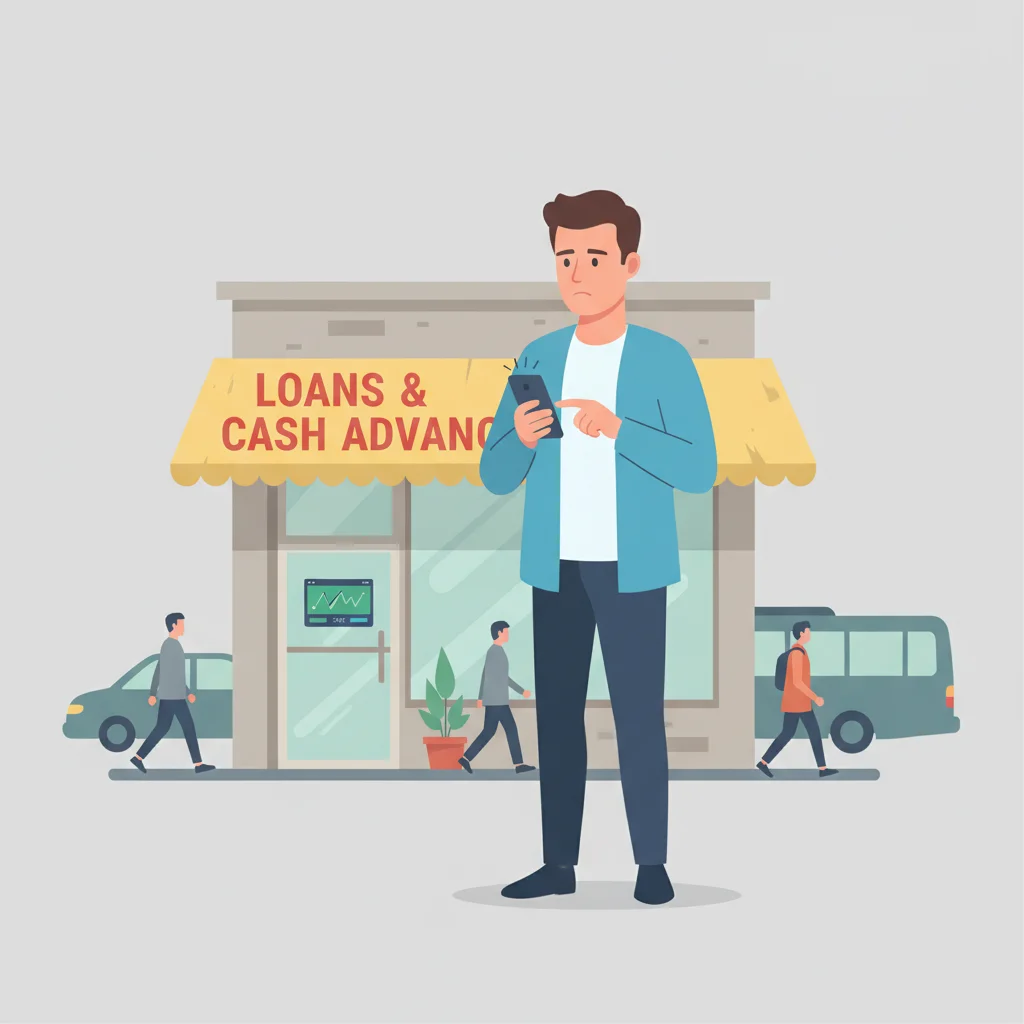
Many Americans face a challenging financial landscape, often feeling trapped by debt and confused by the complexities of their credit score. In 2023, the average American household carried approximately $103,000 in debt, excluding mortgages, a figure that continues to climb. This substantial burden can significantly impact financial stability, from the interest rates you pay on loans to your ability to rent an apartment or even secure certain jobs. Understanding your credit score and how it relates to your debt is not just about managing money; it's about unlocking opportunities and building a more secure financial future. This comprehensive guide will demystify credit scores, explain their intricate relationship with various types of debt, and provide actionable strategies to improve your financial health in 2026 and beyond.
Credit Score Definition: A credit score is a three-digit number that represents a consumer's creditworthiness, primarily based on their credit history and debt management, and is used by lenders to assess the risk of lending money.
Understanding Your Credit Score
Your credit score is a critical component of your financial identity. It's a numerical representation of your credit risk, essentially telling lenders how likely you are to repay borrowed money. A higher score indicates lower risk, often leading to better loan terms, lower interest rates, and easier access to credit. Conversely, a lower score can make borrowing more expensive or even impossible.
What is a Credit Score and Why Does it Matter?
A credit score is a numerical summary of the information contained in your credit report. The most widely used scoring model is the FICO Score, which ranges from 300 to 850. Another popular model is VantageScore, which also uses a 300-850 range. While the exact algorithms are proprietary, both models weigh similar factors to arrive at your score. Lenders, landlords, insurers, and even employers use these scores to make decisions about you. For instance, a strong credit score could save you tens of thousands of dollars in interest over the life of a mortgage or car loan.
Your credit score isn't just about borrowing money. It can influence your car insurance premiums, your ability to rent an apartment, and even whether you need to pay a security deposit for utilities. A good credit score is a powerful financial tool that opens doors and reduces costs, making it a cornerstone of sound personal finance.
Key Factors Influencing Your Credit Score
Several factors contribute to the calculation of your credit score, with some carrying more weight than others. Understanding these components is the first step toward effective credit management.
The five main factors for a FICO Score, and their approximate weightings, are:
- Payment History (35%): This is the most crucial factor. It reflects whether you pay your bills on time. Late payments, bankruptcies, foreclosures, and collections accounts can severely damage your score. A consistent record of on-time payments is essential for a healthy credit score.
- Amounts Owed (30%): This factor looks at how much debt you currently carry. It's not just the total amount, but also your credit utilization ratio – the amount of credit you're using compared to your total available credit. Keeping this ratio below 30% (and ideally below 10%) is generally recommended. For example, if you have a credit card with a $10,000 limit and a $3,000 balance, your utilization is 30%.
- Length of Credit History (15%): This considers how long your credit accounts have been open and the average age of all your accounts. Longer credit histories with established accounts tend to result in higher scores. This is why it's often advised not to close old credit cards, even if you don't use them.
- New Credit (10%): This factor assesses how many new credit accounts you've opened recently and the number of hard inquiries on your credit report. Opening too many new accounts in a short period can signal higher risk to lenders. A hard inquiry occurs when a lender checks your credit report after you apply for new credit, potentially causing a small, temporary dip in your score.
- Credit Mix (10%): This looks at the different types of credit you have, such as credit cards, installment loans (e.g., car loans, mortgages), and student loans. A healthy mix demonstrates your ability to manage various forms of credit responsibly.
By understanding and actively managing these factors, you can exert significant control over your credit score and, by extension, your financial future.
The Relationship Between Debt and Your Credit Score
Debt, in its various forms, is inextricably linked to your credit score. How you acquire, manage, and repay debt directly impacts your creditworthiness. Not all debt is created equal, and understanding the nuances is key to optimizing your financial health.
How Different Types of Debt Affect Your Score
The impact of debt on your credit score varies based on the type of debt, the amount, and your repayment behavior. Generally, there are two main categories of debt: revolving and installment.
Revolving Debt: This primarily refers to credit cards and lines of credit. With revolving debt, you have a credit limit, and you can borrow, repay, and re-borrow up to that limit. The key factor here is your credit utilization ratio. High utilization (using a large percentage of your available credit) can significantly lower your score, even if you pay on time. For example, if you consistently carry a high balance on a credit card, even if you make minimum payments, your score will likely suffer. Lenders view high utilization as a sign of financial strain.
Installment Debt: This includes loans like mortgages, car loans, student loans, and personal loans. With installment debt, you borrow a fixed amount and repay it in regular, fixed payments over a set period. The primary impact on your score comes from your payment history. Missing payments or defaulting on an installment loan can severely damage your credit. However, making consistent, on-time payments on installment loans demonstrates responsible borrowing and can positively contribute to your credit mix. The total amount of installment debt, as long as payments are current, generally has less negative impact on your score than high revolving debt utilization.
Good Debt vs. Bad Debt and Credit Implications
While the terms "good" and "bad" debt are subjective, they generally refer to the potential financial return or benefit derived from taking on the debt. From a credit score perspective, the distinction is less about the inherent nature of the debt and more about how it's managed.
"Good Debt" Examples:
- Mortgage: Often considered good debt because it's an investment in an appreciating asset (real estate) and typically has lower interest rates. Consistent, on-time mortgage payments are excellent for building a strong credit history.
- Student Loans: While they can be a significant burden, student loans are often seen as an investment in your future earning potential. Managing these payments responsibly helps your credit score.
- Business Loans: If used to grow a profitable business, this debt can generate income that far outweighs the interest paid.
"Bad Debt" Examples:
- High-Interest Credit Card Debt: This is often considered the classic "bad debt." If you're carrying balances that accrue high interest (e.g., 20%+ APR) on non-essential purchases, it's a drain on your finances and often indicates overspending. High credit card balances also negatively impact your credit utilization.
- Payday Loans: These are extremely high-interest, short-term loans designed to be repaid quickly. They can trap borrowers in a cycle of debt and are generally detrimental to financial health and often not reported to credit bureaus, offering no credit-building benefit.
- Loans for Depreciating Assets: Taking out a loan for a luxury item that quickly loses value (e.g., a new car that's more than you can afford, or expensive electronics) can be considered bad debt if it strains your budget and doesn't provide a long-term financial return.
From a credit score perspective, any debt becomes "bad" if you fail to make payments on time, leading to delinquencies, collections, or defaults. Even "good debt" like a mortgage can damage your score if you miss payments. The key is responsible management, regardless of the debt type.
The Impact of Debt-to-Income Ratio
Your debt-to-income (DTI) ratio is a crucial metric that lenders use to assess your ability to manage monthly payments and repay new debts. It's calculated by dividing your total monthly debt payments by your gross monthly income. While DTI isn't directly factored into your credit score, it heavily influences a lender's decision to approve you for new credit, especially for significant loans like mortgages.
Lenders typically look for a DTI ratio below 36%, though some may approve loans with a DTI up to 43% for certain programs. A high DTI indicates that a large portion of your income is already committed to debt payments, leaving less flexibility for new obligations. For example, if your gross monthly income is $5,000 and your total monthly debt payments (credit card minimums, car loan, student loan) are $2,000, your DTI is 40% ($2,000 / $5,000). While your credit score might be excellent due to perfect payment history, a high DTI could still lead to loan denial or less favorable terms.
Managing your DTI involves both increasing your income and, more commonly, reducing your monthly debt obligations. Lowering your DTI makes you a more attractive borrower and can indirectly support your credit health by reducing financial stress.
Strategies for Debt Management and Credit Improvement
Improving your credit score and managing debt effectively requires a strategic approach. It's a marathon, not a sprint, but consistent effort yields significant results.
Paying Down High-Interest Debt
Targeting high-interest debt is often the most impactful strategy for both improving your financial health and boosting your credit score. High-interest debt, primarily credit card debt, can quickly spiral out of control due to compounding interest.
Debt Snowball vs. Debt Avalanche:
- Debt Avalanche Method: This strategy involves listing all your debts from the highest interest rate to the lowest. You make minimum payments on all debts except the one with the highest interest rate, on which you pay as much extra as possible. Once that debt is paid off, you roll the payment amount into the next highest interest debt. This method saves you the most money on interest over time.
- Debt Snowball Method: With this approach, you list your debts from the smallest balance to the largest. You make minimum payments on all debts except the smallest one, on which you pay as much extra as possible. Once that debt is paid off, you roll the payment amount into the next smallest debt. This method provides psychological wins early on, which can be highly motivating.
Both methods are effective. The best choice depends on your personality and what motivates you to stick with the plan. By reducing your credit card balances, you directly lower your credit utilization ratio, which is a major factor in your credit score. For example, if you have a $5,000 credit limit and a $4,000 balance (80% utilization), paying it down to $1,000 (20% utilization) can significantly increase your score.
Building a Positive Payment History
Your payment history accounts for 35% of your FICO Score, making it the single most important factor. Consistently paying your bills on time is paramount.
Tips for On-Time Payments:
- Set up automatic payments: Most banks and creditors offer this feature, ensuring you never miss a due date.
- Use payment reminders: Calendar alerts, budgeting apps, or even sticky notes can serve as helpful nudges.
- Align due dates: If possible, adjust your due dates to align with your paychecks to ensure funds are available.
- Pay more than the minimum: While paying on time is key, paying more than the minimum balance, especially on revolving debt, helps reduce the principal faster and lowers your credit utilization.
Even a single late payment (30 days or more past due) can drop your score by dozens of points and remain on your credit report for up to seven years. Establishing a habit of timely payments is the foundation of a strong credit score.
Managing Credit Utilization
As discussed, your credit utilization ratio (amounts owed) makes up 30% of your FICO Score. Keeping this ratio low is crucial.
Strategies to Lower Utilization:
- Pay down balances: This is the most direct way to reduce your utilization. Focus on credit cards with the highest balances.
- Request a credit limit increase: If approved, this increases your total available credit, which can lower your utilization ratio if your balances remain the same. Be cautious not to increase spending just because your limit is higher.
- Open a new credit card (strategically): This can also increase your total available credit. However, opening new accounts can temporarily lower your score due to a hard inquiry and a shorter average age of accounts. Only consider this if you have excellent credit and can resist the temptation to overspend.
- Make multiple payments per month: Instead of waiting for your statement due date, make smaller payments throughout the month. This can keep your reported balance lower, especially if your credit card company reports your balance to the credit bureaus before your due date.
Financial advisors often recommend keeping your overall credit utilization below 30%, and ideally below 10%, for optimal credit health. For example, if you have two credit cards, one with a $5,000 limit and a $1,000 balance, and another with a $2,000 limit and a $1,500 balance, your total available credit is $7,000 and your total balance is $2,500. Your overall utilization is $2,500 / $7,000 = 35.7%. To get below 30%, you'd need to reduce your total balance to under $2,100.
The Role of Credit Reports and Monitoring
Your credit report is a detailed record of your credit history, compiled by the three major credit bureaus: Experian, Equifax, and TransUnion. It contains information about your credit accounts, payment history, public records (like bankruptcies), and inquiries.
Why Monitor Your Credit Report:
- Accuracy: Errors on your credit report are surprisingly common and can negatively impact your score. According to a 2021 study by the Consumer Financial Protection Bureau (CFPB), one in five consumers had a potentially material error on at least one of their credit reports.
- Identity Theft: Monitoring helps you detect fraudulent accounts opened in your name, which can be a sign of identity theft.
- Understanding Your Score: Regularly reviewing your report helps you understand what factors are influencing your score and identify areas for improvement.
How to Access and Monitor:
- Free Annual Reports: You are entitled to a free credit report from each of the three major bureaus once every 12 months via AnnualCreditReport.com. Due to the COVID-19 pandemic, these reports are currently available weekly through 2026.
- Credit Monitoring Services: Many banks, credit card companies, and third-party services offer free credit monitoring, which alerts you to significant changes on your report.
- Disputing Errors: If you find an error, you have the right to dispute it with the credit bureau and the information provider. Provide documentation to support your claim. The bureau generally has 30 days to investigate and respond.
Regularly checking your credit report is a proactive step in managing your credit and protecting your financial identity.
Advanced Debt and Credit Strategies
Beyond the foundational steps, several advanced strategies can further optimize your debt management and credit score, especially when dealing with specific financial situations.
Debt Consolidation and Refinancing
Debt consolidation and refinancing are powerful tools for managing multiple debts, potentially lowering interest rates, and simplifying payments.
Debt Consolidation: This involves combining several debts into a single, new loan. The goal is often to secure a lower interest rate, reduce your monthly payment, or simplify your financial life by having only one bill to pay.
- Personal Loans: A common consolidation method is taking out a personal loan to pay off high-interest credit card debt. If you have good credit, you might qualify for a lower fixed interest rate than your credit cards, saving you money and providing a clear repayment schedule.
- Balance Transfer Credit Cards: These cards offer a promotional 0% APR period (typically 12-21 months) for transferred balances. This can be an excellent way to pay down high-interest debt without accruing additional interest, but watch out for balance transfer fees (usually 3-5% of the transferred amount) and ensure you pay off the balance before the promotional period ends. Otherwise, the remaining balance will be subject to a much higher APR.
Refinancing: This involves replacing an existing loan with a new one, typically to secure a lower interest rate, change the loan term, or switch from a variable to a fixed interest rate (or vice versa).
- Mortgage Refinancing: Homeowners might refinance to lower their monthly payments, reduce the total interest paid over the life of the loan, or tap into home equity.
- Student Loan Refinancing: If your credit score has improved since you took out your student loans, or if interest rates have dropped, refinancing could significantly reduce your monthly payments or the total cost of your loan.
Both consolidation and refinancing require a good to excellent credit score to qualify for the best rates. While these strategies can offer significant savings, they also come with risks. For example, consolidating credit card debt into a personal loan only works if you stop using the credit cards. Otherwise, you could end up with even more debt.
Credit Building Tools and Products
For those with limited credit history or a poor credit score, specific tools and products can help build or rebuild credit responsibly.
- Secured Credit Cards: These cards require a cash deposit, which typically becomes your credit limit. They function like regular credit cards, but the deposit acts as collateral, reducing risk for the issuer. By making on-time payments, you demonstrate creditworthiness, and the activity is reported to credit bureaus. After a period of responsible use (e.g., 6-12 months), you may be able to transition to an unsecured card and get your deposit back.
- Credit Builder Loans: Offered by some credit unions and community banks, these loans work in reverse. The loan amount is held in a savings account or CD while you make monthly payments. Once the loan is fully repaid, you receive the money. The payments are reported to credit bureaus, helping you build a positive payment history.
- Authorized User Status: If a trusted family member with excellent credit adds you as an authorized user to one of their credit cards, their positive payment history can appear on your credit report, potentially boosting your score. However, ensure the primary cardholder is financially responsible, as their missteps could also impact your score.
- Experian Boost: This free service allows you to add utility and telecom payment history to your Experian credit report. For some individuals, this can provide an immediate, albeit modest, increase in their FICO Score.
These tools provide pathways to establish a positive credit history when traditional credit options are unavailable.
Avoiding Common Debt Traps
Understanding and avoiding common debt traps is as important as implementing positive credit strategies.
- Payday Loans and Title Loans: These are predatory loans with extremely high interest rates (often 300% APR or more). They are designed to be short-term solutions but often lead to a cycle of debt that is difficult to escape. Avoid them at all costs.
- High-Interest Store Credit Cards: While they may offer an initial discount, store credit cards often come with very high APRs. Opening too many can also negatively impact your average age of accounts and lead to excessive hard inquiries.
- Minimum Payments Only: Consistently making only the minimum payment on high-interest credit card debt means you're paying mostly interest, and it will take decades to pay off the balance, costing you far more in the long run. For example, a $5,000 credit card balance at 20% APR with a 2% minimum payment could take over 20 years to pay off and cost you more than $7,000 in interest.
- Ignoring Debt: Hoping debt will disappear or ignoring collection calls only makes the problem worse. Unpaid debts lead to severe credit damage, wage garnishment, and legal action. Proactive engagement, even if it's seeking credit counseling, is always better than avoidance.
Being aware of these pitfalls can save you from significant financial distress and protect your credit score.
Seeking Professional Help
Sometimes, debt can feel overwhelming, and professional guidance becomes invaluable.
- Non-Profit Credit Counseling Agencies: Organizations like the National Foundation for Credit Counseling (NFCC) offer free or low-cost credit counseling. Counselors can help you create a budget, develop a debt management plan (DMP), and negotiate with creditors. A DMP involves making one monthly payment to the agency, which then distributes funds to your creditors. This can sometimes lead to reduced interest rates or waived fees.
- Debt Settlement Companies: These for-profit companies negotiate with creditors to reduce the total amount of debt you owe. While this can lower your principal, it often involves stopping payments to creditors, which severely damages your credit score. There are also significant fees involved, and success is not guaranteed. Debt settlement should generally be considered a last resort before bankruptcy.
- Bankruptcy: For severe debt problems that cannot be resolved through other means, bankruptcy (Chapter 7 or Chapter 13) can offer a fresh start. However, it has significant long-term consequences for your credit score (remaining on your report for 7-10 years) and should only be pursued after careful consideration and consultation with a qualified attorney.
Consulting with a financial advisor or credit counselor can provide personalized strategies and support, helping you navigate complex debt situations and make informed decisions.
Practical Examples and Real-World Scenarios
Understanding credit and debt in theory is one thing; seeing it in action makes it more tangible. Here are a few scenarios illustrating how different debt management choices impact credit scores.
Scenario 1: The Young Professional Building Credit
Meet Sarah: Sarah, 24, just graduated college and landed her first professional job. She has student loan debt but no credit card history. She wants to buy a car in a year and eventually a home.
Her Actions:
Secured Credit Card: Sarah opens a secured credit card with a $500 limit, making a $500 deposit. She uses it for small, recurring expenses like streaming services and pays the balance in full every month.
Student Loan Payments: She sets up automatic payments for her student loans, ensuring she never misses a payment.
Authorized User: Her parents add her as an authorized user to one of their long-standing credit cards with a perfect payment history and low utilization.
Impact on Credit Score:
- Positive Payment History: Consistent on-time payments on both the secured card and student loans quickly establish a positive payment history.
- Credit Mix: The secured card (revolving) and student loans (installment) create a healthy credit mix.
- Length of Credit History: Being an authorized user on her parents' old card immediately gives her a longer credit history, boosting this factor.
- Low Utilization: By paying her secured card in full, her utilization remains at 0%, which is excellent.
Outcome: Within 12-18 months, Sarah's credit score rises from "no score" to the mid-700s, allowing her to qualify for a favorable interest rate on her car loan.
Scenario 2: The Overwhelmed Consumer with High Credit Card Debt
Meet David: David, 38, has accumulated $15,000 in credit card debt across three cards, with interest rates ranging from 18% to 25%. His credit utilization is over 80%, and he's occasionally missed payments in the past six months. His credit score is in the low 500s.
His Actions:
Budgeting and Spending Freeze: David creates a strict budget and cuts non-essential spending to free up cash.
Debt Avalanche: He lists his debts by interest rate and focuses all extra payments on the card with the 25% APR, while making minimum payments on the others.
Credit Counseling: He contacts a non-profit credit counseling agency, which helps him negotiate lower interest rates on his remaining cards and sets him up on a debt management plan, ensuring all payments are made on time.
No New Credit: He resists the urge to open new credit cards or take out more loans.
Impact on Credit Score:
- Reduced Utilization: As he pays down balances, his credit utilization ratio drops, which is a major positive impact.
- Improved Payment History: The DMP ensures consistent, on-time payments, slowly repairing his payment history.
- Hardship Notations: While the DMP might appear as a notation on his credit report, the consistent payments and reduced debt outweigh this.
Outcome: Over 2-3 years, David systematically pays down his debt. His credit score gradually increases to the mid-600s, enabling him to qualify for a personal loan to consolidate his remaining high-interest debt into a single, lower-interest payment.
Scenario 3: The Homeowner Refinancing a Mortgage
Meet Emily: Emily, 45, bought her home five years ago with an adjustable-rate mortgage (ARM) at 5.5%. Her credit score was 680 at the time. She's been diligent with payments, and her score is now 760. Interest rates have also dropped significantly, with 30-year fixed rates around 6.5% as of April 2026.
Her Actions:
Credit Monitoring: Emily regularly monitors her credit score and report, ensuring accuracy.
Research Lenders: She shops around for mortgage lenders, comparing rates and fees for refinancing.
Refinance Application: She applies for a new 30-year fixed-rate mortgage at 6.0%, which is lower than her current ARM and provides stability.
Impact on Credit Score:
- Hard Inquiry: The mortgage application results in a hard inquiry, causing a small, temporary dip in her score.
- New Account: A new mortgage account is opened, and the old one is closed. This might slightly impact the average age of accounts, but the overall positive credit history remains strong.
- Improved Financial Health: By securing a lower, fixed interest rate, Emily reduces her monthly housing costs and gains financial predictability, indirectly supporting her overall credit health.
Outcome: Emily successfully refinances her mortgage, saving hundreds of dollars per month and gaining peace of mind with a stable interest rate, all while maintaining her excellent credit score.
These scenarios highlight that credit and debt management is a dynamic process. Small, consistent actions can lead to significant long-term improvements in your financial standing.
Frequently Asked Questions
How often should I check my credit score and report?
You should check your credit report from each of the three major bureaus (Experian, Equifax, TransUnion) at least once a year through AnnualCreditReport.com. As of 2026, these reports are available weekly for free. For your credit score, many banks and credit card companies offer free monthly access, which is a good frequency for monitoring.
What is a good credit score in 2026?
While "good" is subjective, a FICO Score of 670-739 is generally considered good. Scores from 740-799 are very good, and 800-850 are excellent. The average FICO Score in the U.S. was 718 as of late 2025, indicating a healthy credit landscape. Aiming for a score above 700 will generally qualify you for favorable loan terms.
Will closing old credit cards hurt my credit score?
Yes, closing old credit cards can potentially hurt your credit score. It reduces your total available credit, which can increase your credit utilization ratio if you carry balances on other cards. It also shortens the average age of your credit accounts, impacting the "length of credit history" factor. It's generally better to keep old, unused accounts open, especially if they have no annual fee.
How long do negative items stay on my credit report?
Most negative items, such as late payments, collections, and charge-offs, remain on your credit report for seven years from the date of the delinquency. Bankruptcies can stay on your report for up to 10 years. While they remain, their impact on your score diminishes over time, especially as you add positive credit history.
Can paying off a collection account improve my credit score?
Paying off a collection account can help your credit score, but the impact varies. The collection will still appear on your report for seven years, but a "paid" status looks better to lenders than an "unpaid" one. Some newer scoring models (like FICO 9 and VantageScore 3.0/4.0) give less weight to paid collections. When dealing with collections, consider negotiating a "pay-for-delete" agreement, where the collection agency agrees to remove the entry from your credit report in exchange for payment, though this is not always successful.
Is it better to have multiple credit cards or just one?
Having multiple credit cards can be beneficial if managed responsibly. It can increase your total available credit, which helps lower your overall credit utilization ratio. It also contributes to a diverse credit mix. However, if you struggle with overspending, having fewer cards might be better. The key is responsible use, regardless of the number of cards.
What is the fastest way to improve my credit score?
The fastest way to improve your credit score is typically to reduce your credit utilization ratio by paying down high-balance credit cards. If you have a recent late payment, getting current on payments immediately is critical. Correcting errors on your credit report can also provide a quick boost. For those with no credit, becoming an authorized user on a financially responsible person's account can offer a rapid start.
Key Takeaways
- Credit Score Fundamentals: Your credit score (e.g., FICO or VantageScore) is a three-digit number reflecting your creditworthiness, with payment history and credit utilization being the most impactful factors.
- Debt's Dual Impact: Debt can build positive credit if managed responsibly (on-time payments, low utilization) or severely damage it if mismanaged (late payments, high balances).
- Prioritize High-Interest Debt: Using strategies like the debt avalanche method to pay down high-interest credit card debt significantly improves your financial health and credit utilization.
- Consistency is Key: Building and maintaining a strong credit score requires consistent on-time payments and responsible credit habits over time.
- Monitor Your Credit: Regularly check your credit reports for accuracy and fraud, and monitor your score to track progress and identify areas for improvement.
- Strategic Debt Tools: Utilize tools like secured credit cards, credit builder loans, or debt consolidation/refinancing when appropriate to build credit or manage existing debt.
- Avoid Debt Traps: Steer clear of predatory loans and practices that can lead to a cycle of debt and severe credit damage.
Conclusion
Navigating the world of credit and debt can seem daunting, but it is an essential skill for achieving financial stability and reaching your long-term goals. Your credit score is not merely a number; it's a reflection of your financial responsibility and a gateway to opportunities like lower interest rates on loans, better insurance premiums, and even housing. By understanding the key factors that influence your score, proactively managing your debt, and leveraging smart financial strategies, you can take control of your financial narrative.
The journey to a healthier credit score and a debt-free future is ongoing, but with the insights and actionable steps provided in this guide, you are well-equipped to make informed decisions. Start by checking your credit report, making a plan to tackle high-interest debt, and committing to consistent, on-time payments. Your financial future in 2026 and beyond depends on these choices. Take action today to build a robust financial foundation and unlock the benefits of excellent credit.
Disclaimer: This article is for informational and educational purposes only and does not constitute financial, investment, or tax advice. Always consult a qualified financial advisor before making investment decisions.
The information provided in this article is for educational purposes only and does not constitute financial, investment, or legal advice. Always consult with a qualified financial advisor, tax professional, or legal counsel for personalized guidance tailored to your specific situation before making any financial decisions.
Comments
No comments yet. Be the first to comment!
More from Personal Finance


Explore Related Guides
Expert reviews of Gold IRA companies, rollover guides, fees, and IRS rules.
Comprehensive investment strategies covering stocks, bonds, ETFs, crypto, and real estate.
Compare banking products, interest rates, and strategies to maximize your savings.