
Bear Market: Your Complete Personal Finance Guide

A bear market can feel like a financial storm, eroding investment portfolios and sparking widespread anxiety. The thought of your hard-earned money shrinking can be unsettling, leading many to make impulsive decisions that can harm their long-term financial health. However, a bear market isn't just a period of decline; it's also a critical time for strategic personal finance management. Understanding its dynamics and preparing effectively can transform potential losses into opportunities for future growth. This comprehensive guide will equip you with the knowledge and strategies to navigate a bear market with confidence, protect your assets, and position yourself for recovery.
Bear Market Definition: A bear market is generally defined as a decline of 20% or more in stock prices from recent highs, lasting for at least two months, often accompanied by widespread pessimism and negative investor sentiment.
Understanding Bear Markets and Their Impact
Bear markets are a natural, albeit challenging, part of the economic cycle. They are characterized by sustained price declines across a broad market, often driven by factors like economic recession, high inflation, rising interest rates, geopolitical events, or a combination thereof. Recognizing the signs and understanding the historical context of bear markets is the first step toward managing their impact on your personal finances.
What Defines a Bear Market?
Historically, a bear market is identified by a 20% or greater drop in broad market indexes, such as the S&P 500, from their recent peak. This decline typically spans several months, though some can last for years. For instance, the dot-com bubble burst led to a bear market from March 2000 to October 2002, with the S&P 500 falling by nearly 50%. More recently, the COVID-19 pandemic triggered a swift bear market in March 2020, though it was short-lived. The average duration of a bear market since 1929 has been about 9.6 months, with an average price decline of 36%. However, the recovery period, known as a bull market, tends to be much longer, averaging 3.8 years.
The defining characteristic isn't just the percentage drop, but also the pervasive negative sentiment. Investors become pessimistic, selling pressure outweighs buying pressure, and fear often overrides rational decision-making. This can lead to a self-fulfilling prophecy, where selling begets more selling. Understanding this psychological component is crucial for maintaining a disciplined approach.
Historical Context and Frequency
Bear markets are not rare anomalies; they are a recurring feature of market cycles. Since 1929, there have been 26 bear markets in the S&P 500. This means, on average, a bear market occurs roughly every 3.7 years. However, their frequency and intensity vary significantly. Some, like the Great Depression era bear market, were prolonged and devastating, while others, like the 2020 COVID-19 bear market, were sharp but brief.
The key takeaway from history is that markets always recover. Every bear market has eventually been followed by a bull market that has surpassed previous highs. For example, after the 2008 financial crisis, the S&P 500 lost over 50% of its value, but by 2013 it had fully recovered and continued to reach new peaks. This historical perspective provides crucial reassurance and reinforces the importance of a long-term investment strategy rather than reacting to short-term volatility.
How a Bear Market Impacts Your Finances
The most obvious impact of a bear market is the decline in investment portfolio value. If you hold stocks, mutual funds, or exchange-traded funds (ETFs) that track the broader market, their value will likely decrease. This can be particularly alarming for those nearing retirement or relying on their portfolio for income.
Beyond investments, a bear market can signal broader economic weakness. This often translates to job insecurity, as companies may cut costs, freeze hiring, or even lay off employees. Interest rates, while sometimes falling during a bear market to stimulate the economy, can also be a factor if the bear market is driven by efforts to combat inflation. This can affect borrowing costs for mortgages, car loans, and credit cards. Consumer confidence also tends to drop, leading to reduced spending, which further slows economic activity. Understanding these interconnected impacts allows for a more holistic approach to personal finance during these challenging times.
Fortifying Your Financial Foundation
Before you even think about investment strategies during a bear market, it's essential to ensure your personal financial foundation is rock solid. This involves building a robust emergency fund, managing debt, and having a clear understanding of your cash flow. These steps provide a buffer against economic downturns and allow you to weather the storm without making desperate financial decisions.
Building and Reinforcing Your Emergency Fund
An emergency fund is your first line of defense against financial shocks, especially during a bear market when job security might be uncertain. Financial experts generally recommend having three to six months' worth of essential living expenses saved in an easily accessible, liquid account, such as a high-yield savings account. In an unstable economic climate, or if you have dependents, a single income, or a less stable job, aiming for six to twelve months might be more prudent.
As of March 2026, high-yield savings accounts offer competitive interest rates, often significantly higher than traditional savings accounts, allowing your emergency fund to grow slightly while remaining accessible. Review your monthly expenses to accurately calculate your target amount. This fund should be separate from your investment accounts, ensuring you don't have to sell investments at a loss if an unexpected expense arises.
Debt Management Strategies
High-interest debt can be a significant drain on your finances, particularly during a bear market when income might be less predictable. Prioritizing debt repayment is crucial. Focus on high-interest consumer debt like credit card balances or personal loans first. The "debt snowball" or "debt avalanche" methods can be effective strategies. The debt avalanche method prioritizes paying off debts with the highest interest rates first, saving you the most money over time. The debt snowball method focuses on paying off the smallest balance first to build momentum and psychological wins.
Consider consolidating high-interest debt into a lower-interest personal loan or a balance transfer credit card (if you can pay it off before the promotional period ends). However, be cautious about taking on new debt during uncertain times. Reducing your overall debt burden frees up cash flow and reduces financial stress, providing more flexibility to navigate economic downturns.
Analyzing and Optimizing Your Budget
A bear market is an opportune time to scrutinize your budget and identify areas for optimization. Start by tracking all your income and expenses for at least a month to get a clear picture of where your money is going. Categorize expenses into "needs" (housing, food, utilities) and "wants" (dining out, entertainment, subscriptions).
Look for opportunities to reduce discretionary spending. Can you cut down on subscriptions you rarely use? Cook more at home? Re-evaluate transportation costs? Even small adjustments can add up. The goal is to create a lean budget that ensures your essential needs are met, your debt payments are covered, and you can continue to save, even if your income fluctuates. This proactive approach to cash flow management provides greater control and peace of mind during volatile periods.
Strategic Investing During a Bear Market
While bear markets can be unsettling, they also present unique opportunities for long-term investors. Reacting emotionally by selling off all your investments can be detrimental. Instead, a disciplined, strategic approach focused on long-term goals is paramount. This often involves rebalancing, dollar-cost averaging, and seeking out quality assets at discounted prices.
Rebalancing Your Portfolio
Portfolio rebalancing is the process of adjusting your asset allocation back to your target percentages. For example, if your target is 60% stocks and 40% bonds, and a bear market causes your stock portion to drop to 50%, rebalancing would involve selling some bonds and buying more stocks to restore the 60/40 ratio. This strategy forces you to buy low and sell high, a fundamental principle of successful investing.
During a bear market, stocks become cheaper relative to their historical values and potentially to other asset classes like bonds. Rebalancing allows you to purchase more shares of undervalued assets without trying to time the market. Financial advisors often recommend rebalancing annually or when your allocation deviates by a certain percentage (e.g., 5-10%). This disciplined approach helps manage risk and capitalize on market fluctuations.
The Power of Dollar-Cost Averaging
Dollar-cost averaging (DCA) is an investment strategy where you invest a fixed amount of money at regular intervals, regardless of the market price. For example, investing $200 every month into an index fund. When market prices are high, your fixed investment buys fewer shares; when prices are low (as in a bear market), it buys more shares.
The main benefit of DCA during a bear market is that it removes emotion from investing. Instead of trying to guess the market bottom, you consistently buy shares at lower prices. This lowers your average cost per share over time. When the market eventually recovers, the larger number of shares you accumulated at lower prices will lead to greater gains. This strategy is particularly effective for long-term investors contributing to retirement accounts like 401(k)s or IRAs, where regular contributions are already part of the plan.
Identifying Opportunities: Quality at a Discount
A bear market can be an excellent time to acquire high-quality assets at a discount. Many fundamentally strong companies, which were perhaps overvalued during a bull market, see their stock prices fall alongside the broader market, even if their underlying business remains robust. These are often referred to as "blue-chip" companies or those with strong balance sheets, consistent earnings, and competitive advantages.
Instead of chasing speculative stocks, focus on companies with a proven track record, manageable debt, and strong cash flow. Research suggests that investing in such companies during bear markets can lead to significant returns during the subsequent recovery. This requires thorough research and a long-term perspective, as short-term volatility will likely persist.
Diversification and Asset Allocation
Diversification is the strategy of spreading your investments across various asset classes, industries, and geographies to reduce risk. A well-diversified portfolio might include stocks, bonds, real estate, and potentially alternative investments. During a bear market, some asset classes may perform better than others. For example, government bonds often act as a safe haven during stock market downturns.
Asset allocation is the specific mix of these asset classes based on your risk tolerance, time horizon, and financial goals. A younger investor with a long time horizon might have a higher allocation to stocks, while someone nearing retirement might have a more conservative allocation with a higher percentage of bonds. Regularly reviewing and adjusting your asset allocation ensures your portfolio remains aligned with your objectives, especially as market conditions change.
Protecting Your Retirement Savings
Your retirement accounts, such as 401(k)s and IRAs, are often the largest component of your investment portfolio. Protecting these assets during a bear market is paramount to ensuring a comfortable retirement. This involves understanding contribution limits, avoiding rash withdrawals, and considering tax-advantaged strategies.
Understanding 401(k) and IRA Contributions
Even in a bear market, continuing to contribute to your 401(k) and IRA is one of the smartest moves you can make. The 2026 contribution limits for 401(k)s are $23,000, with an additional $7,500 catch-up contribution for those aged 50 and over. For IRAs (Traditional or Roth), the 2026 limit is $7,000, with a $1,000 catch-up contribution for those 50 and over.
By contributing consistently, you are effectively dollar-cost averaging into the market, buying more shares when prices are low. This strategy can significantly boost your retirement savings when the market eventually recovers. Furthermore, these contributions offer tax advantages, either through pre-tax deductions (Traditional 401(k)/IRA) or tax-free growth and withdrawals in retirement (Roth 401(k)/IRA).
Avoiding Early Withdrawals
One of the biggest mistakes investors make during a bear market is panicking and withdrawing funds from their retirement accounts. Not only does this lock in your losses, but it also triggers significant penalties. Generally, withdrawals from 401(k)s and Traditional IRAs before age 59½ are subject to a 10% early withdrawal penalty on top of ordinary income taxes. While there are some exceptions (e.g., certain medical expenses, first-time home purchase up to $10,000 for IRAs), these should be considered a last resort.
For Roth IRAs, contributions can be withdrawn tax- and penalty-free at any time, but earnings are subject to rules. It's crucial to understand these rules before touching your retirement nest egg. Your emergency fund should be your primary buffer, not your retirement accounts.
Roth Conversions: A Bear Market Opportunity
A bear market can present a unique opportunity for a Roth conversion. This involves moving funds from a Traditional IRA (or 401(k) if allowed by your plan) to a Roth IRA. When you convert, you pay income tax on the converted amount in the year of conversion.
During a bear market, the value of your Traditional IRA assets is lower. This means you pay taxes on a smaller amount, making the conversion potentially more tax-efficient. The converted funds then grow tax-free in the Roth IRA, and qualified withdrawals in retirement are also tax-free. This strategy is particularly attractive if you expect to be in a higher tax bracket in retirement than you are now. However, it's essential to have funds available outside your retirement accounts to pay the conversion taxes, as paying them from the converted amount would reduce your Roth balance and incur an early withdrawal penalty if you're under 59½.
Navigating Psychological Challenges
The emotional toll of a bear market can be as damaging as the financial one. Fear, anxiety, and the temptation to make rash decisions are common. Developing mental resilience and sticking to a disciplined plan are crucial for long-term success.
The Dangers of Emotional Investing
Emotional investing, driven by fear and panic, is a primary reason many investors underperform the market. When prices fall sharply, the instinct to sell everything to "stop the bleeding" is strong. However, selling during a downturn locks in losses and prevents you from participating in the eventual recovery. This is often referred to as "selling at the bottom."
Conversely, in a bull market, the euphoria can lead to "buying at the top" or taking on excessive risk. A study by Dalbar, Inc. consistently shows that the average individual investor earns significantly less than the market indexes due to poor market timing decisions driven by emotion. Recognizing your emotional biases and committing to a long-term, rational strategy is vital.
Sticking to Your Financial Plan
Your financial plan is your roadmap. It outlines your goals, risk tolerance, and investment strategy. During a bear market, it's more important than ever to revisit and adhere to this plan. If your plan was well-constructed, it already accounted for market volatility and downturns.
Resist the urge to deviate from your long-term asset allocation or suddenly change your investment strategy. Instead, use your plan as a guide to continue dollar-cost averaging, rebalancing, and focusing on your long-term objectives. If you don't have a formal financial plan, a bear market is an excellent time to create one, perhaps with the help of a financial advisor. A plan provides clarity and prevents impulsive reactions.
Seeking Professional Guidance
For many, navigating a bear market can be overwhelming. A qualified financial advisor can provide invaluable support and objective guidance. They can help you:
- Assess your risk tolerance: Ensure your portfolio aligns with your comfort level.
- Develop a personalized financial plan: Tailored to your specific goals and circumstances.
- Rebalance your portfolio: Execute strategic adjustments without emotional bias.
- Manage taxes: Identify opportunities like Roth conversions or tax-loss harvesting.
- Provide emotional support: Help you stay disciplined and avoid panic-driven decisions.
While there is a cost associated with financial advice, the benefits of avoiding costly mistakes and optimizing your financial strategy during turbulent times can far outweigh the fees. Look for fiduciaries who are legally obligated to act in your best interest.
Advanced Strategies for Resilience
Beyond the foundational steps, there are several advanced strategies that financially savvy individuals can consider to further enhance their resilience during a bear market. These include tax-loss harvesting, exploring alternative investments, and optimizing income streams.
Tax-Loss Harvesting
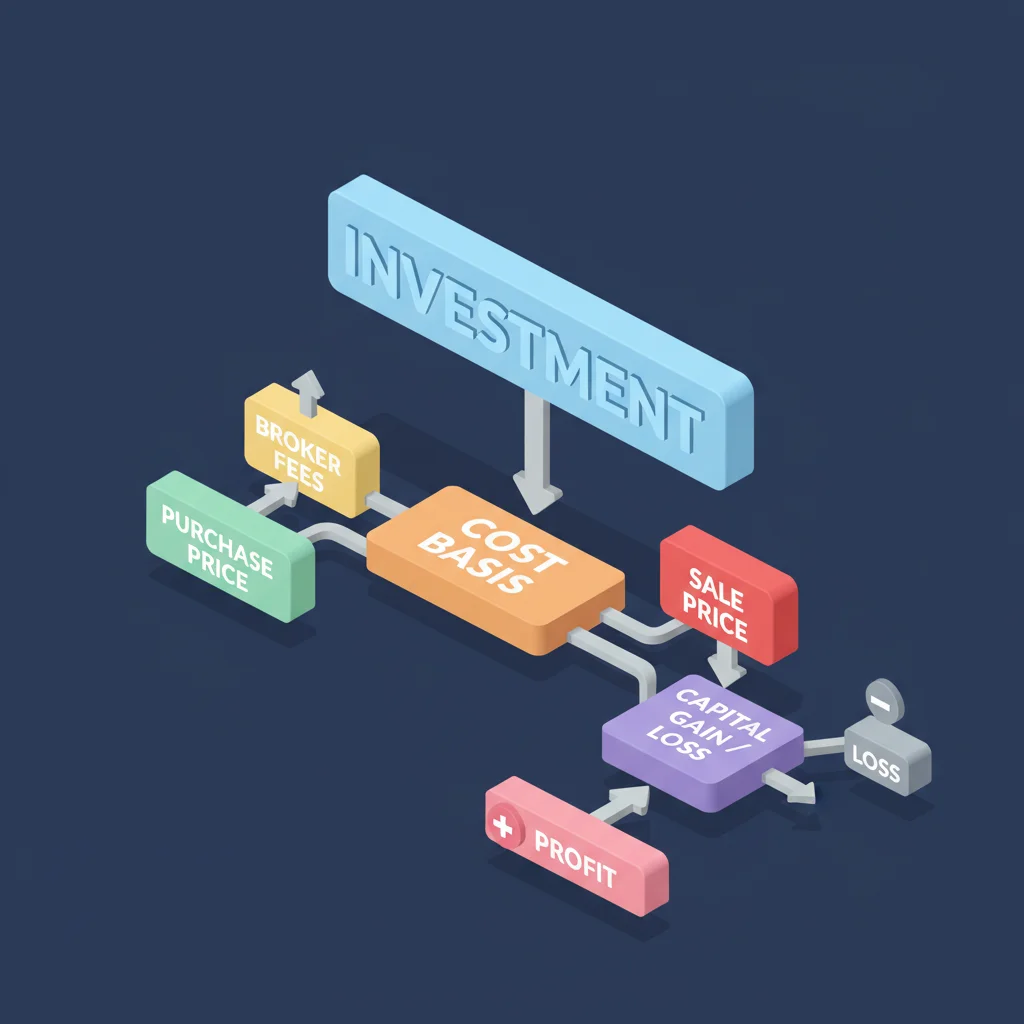
Tax-loss harvesting is a strategy where you sell investments at a loss to offset capital gains and, potentially, a limited amount of ordinary income. For example, if you sold a stock for a $5,000 gain, you could sell another stock that has declined by $5,000 to offset that gain, resulting in no capital gains tax for the year.
If your capital losses exceed your capital gains, you can use up to $3,000 of those losses to offset ordinary income each year. Any remaining losses can be carried forward to future tax years. A bear market provides ample opportunities for tax-loss harvesting, as many investments will be trading below their purchase price. However, be mindful of the wash-sale rule, which prohibits buying a "substantially identical" security within 30 days before or after selling the original security at a loss. This strategy can significantly reduce your tax bill and free up capital for reinvestment.
Exploring Alternative Investments
While traditional stocks and bonds form the core of most portfolios, a bear market might prompt a look into alternative investments that can offer diversification and potentially different risk-return profiles. These might include:
- Real Estate: While real estate can also decline in a recession, it often behaves differently than the stock market. Direct ownership or real estate investment trusts (REITs) can be considered.
- Commodities: Gold, silver, and other commodities are sometimes seen as a hedge against inflation and market volatility.
- Private Equity/Debt: These are typically less liquid and higher risk but can offer uncorrelated returns.
- Hedge Funds: These are often structured to perform in various market conditions, but typically come with high fees and high minimum investments.
It's crucial to understand that alternative investments often come with higher fees, less liquidity, and greater complexity. They are generally suitable for sophisticated investors with a significant portion of their portfolio already in traditional assets. Thorough due diligence is essential before committing to any alternative investment.
Optimizing Income Streams
During economic uncertainty, having multiple income streams can provide significant financial stability. If your primary job is at risk, or if you're looking to bolster your finances, consider:
- Side Hustles: Freelancing, consulting, teaching online, or starting a small online business can generate additional income. The gig economy has expanded significantly, offering numerous opportunities.
- Passive Income: While often requiring initial effort or capital, passive income streams like rental properties, dividend stocks, or royalties can provide ongoing cash flow.
- Skill Development: Investing in new skills can increase your employability and earning potential, making you more resilient to job market fluctuations. Online courses and certifications are widely available.
Optimizing your income streams not only provides a financial buffer but also enhances your overall financial flexibility and reduces reliance on a single source of income, which is particularly valuable during a bear market.
Frequently Asked Questions
What is the primary difference between a bear market and a correction?
A bear market is defined by a sustained decline of 20% or more in stock prices from recent highs, often lasting for months or even years. A correction, on the other hand, is a shorter-term decline of 10% to 20% in stock prices, which typically resolves more quickly and does not necessarily signal a broader economic downturn.
How long do bear markets typically last?
Historically, bear markets have lasted an average of 9.6 months since 1929, though their duration can vary significantly. Some, like the COVID-19 bear market in 2020, were very brief, while others, such as the dot-com bust, extended for over two years.
Should I sell all my investments during a bear market?
No, selling all your investments during a bear market is generally considered a significant mistake. This action locks in your losses and prevents you from participating in the inevitable market recovery. A disciplined, long-term approach, often involving dollar-cost averaging and rebalancing, is usually more effective.
Is a bear market a good time to buy stocks?
For long-term investors, a bear market can be an excellent opportunity to buy high-quality stocks at discounted prices. This strategy, combined with dollar-cost averaging, allows you to accumulate more shares at lower average costs, potentially leading to greater returns when the market recovers.
What is the most important thing I can do for my finances during a bear market?
The most important thing is to maintain a strong emergency fund and stick to your long-term financial plan. Avoid making emotional, impulsive decisions. Ensure you have enough liquid cash to cover essential expenses, so you don't have to sell investments at a loss.
How does a bear market affect retirement planning?
A bear market can reduce the value of your retirement accounts in the short term. However, for those still contributing, it offers an opportunity to buy more shares at lower prices. It's crucial to continue contributing to your 401(k) and IRA and avoid early withdrawals, allowing your investments to recover and grow over your long retirement horizon.
What is tax-loss harvesting and how can it help in a bear market?
Tax-loss harvesting involves selling investments that have declined in value to generate a capital loss. This loss can then be used to offset capital gains and up to $3,000 of ordinary income, reducing your overall tax liability. A bear market often creates many opportunities for this strategy.
Key Takeaways
- Understand Bear Market Dynamics: Bear markets are a natural part of the economic cycle, characterized by a 20% or more decline in market indexes, but always followed by recovery.
- Fortify Your Financial Foundation: Build a robust emergency fund (6-12 months of expenses), aggressively pay down high-interest debt, and optimize your budget.
- Embrace Strategic Investing: Practice dollar-cost averaging, rebalance your portfolio to buy low, and identify high-quality assets at discounted prices.
- Protect Retirement Savings: Continue contributing to 401(k)s and IRAs, avoid early withdrawals, and consider Roth conversions for tax efficiency.
- Manage Psychological Challenges: Avoid emotional investing, stick to your long-term financial plan, and seek professional guidance when needed.
- Explore Advanced Strategies: Utilize tax-loss harvesting to reduce tax burdens and consider diversifying with appropriate alternative investments.
- Optimize Income Streams: Develop side hustles or passive income sources to enhance financial resilience during uncertain times.
Conclusion
Navigating a bear market requires a blend of financial discipline, strategic planning, and emotional resilience. While the sight of your portfolio declining can be alarming, understanding that bear markets are temporary and part of the broader economic cycle is crucial. By fortifying your financial foundation with a strong emergency fund and disciplined debt management, you create a buffer against economic shocks.
Strategically, a bear market is not a time to panic, but an opportunity. Through consistent dollar-cost averaging, intelligent portfolio rebalancing, and identifying quality investments at reduced prices, you can position yourself for significant growth during the inevitable recovery. Protecting your retirement savings by continuing contributions and avoiding early withdrawals ensures your long-term goals remain on track. Remember, the goal is not to avoid downturns, but to manage them wisely. With a well-thought-out plan and a steady hand, you can emerge from a bear market stronger and more financially secure.
Disclaimer: This article is for informational and educational purposes only and does not constitute financial, investment, or tax advice. Always consult a qualified financial advisor before making investment decisions.
The information provided in this article is for educational purposes only and does not constitute financial, investment, or legal advice. Always consult with a qualified financial advisor, tax professional, or legal counsel for personalized guidance tailored to your specific situation before making any financial decisions.
Comments
No comments yet. Be the first to comment!
More from Personal Finance


Explore Related Guides
Expert reviews of Gold IRA companies, rollover guides, fees, and IRS rules.
Comprehensive investment strategies covering stocks, bonds, ETFs, crypto, and real estate.
Compare banking products, interest rates, and strategies to maximize your savings.