
Master Your Digital Wallet: Rewards & Streamlined Payments
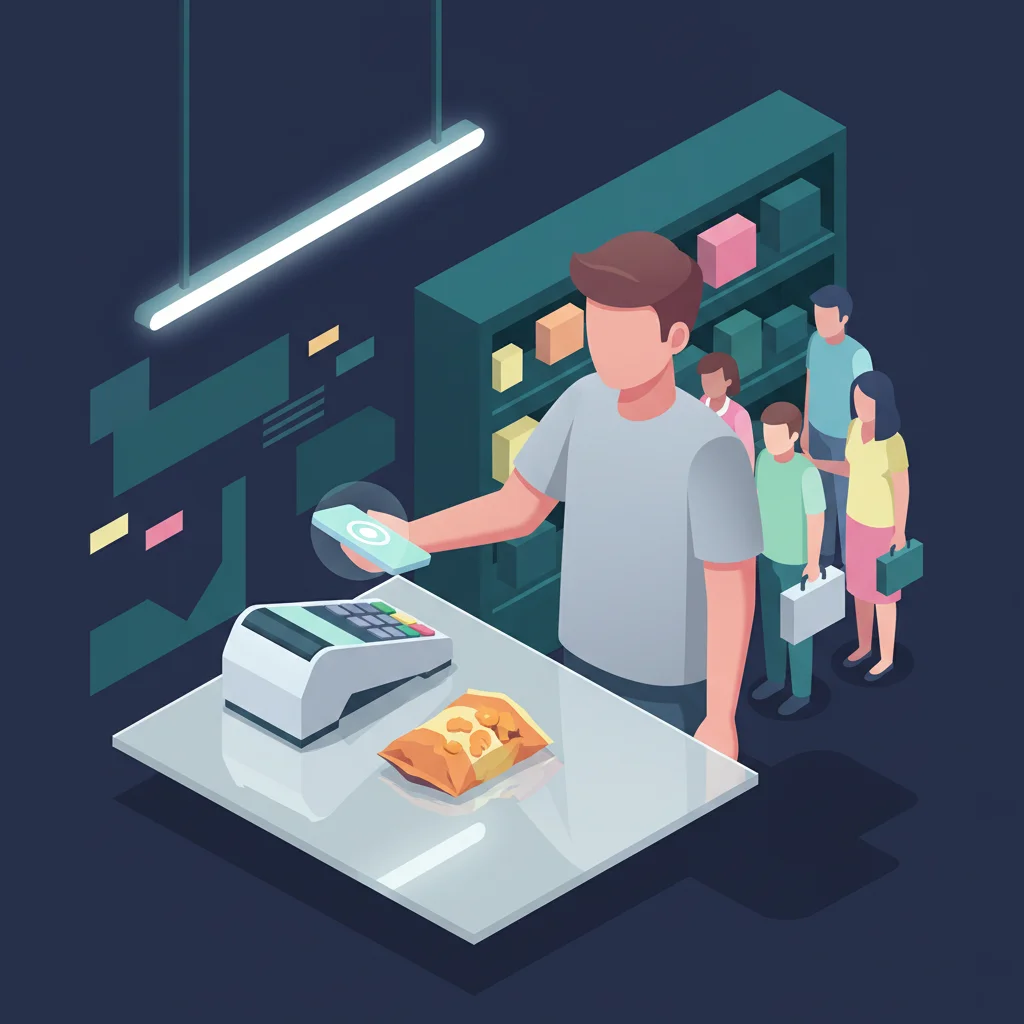
In today's fast-paced financial landscape, the way we manage our money and make purchases has undergone a significant transformation. Traditional wallets, once bulky with cash and cards, are increasingly being replaced by their digital counterparts. These digital wallets offer unparalleled convenience, enhanced security, and, perhaps most appealingly, a powerful platform for maximizing financial rewards. However, simply having a digital wallet isn't enough; truly mastering it involves strategic optimization to stack rewards and streamline every payment. This article will guide you through understanding the digital wallet ecosystem, selecting the right platforms, and implementing advanced strategies to make your money work harder for you, all while simplifying your daily transactions.
Digital Wallet Ecosystem Definition: A digital wallet ecosystem refers to the interconnected network of technologies, platforms, and services that enable users to store payment information, make transactions, manage loyalty programs, and access financial services electronically via a mobile device or computer.
Understanding the Digital Wallet Ecosystem
The digital wallet ecosystem is a complex yet highly integrated system. It encompasses various technologies, service providers, and user behaviors. At its core, a digital wallet functions as a virtual repository for your payment credentials, loyalty cards, and even digital IDs.
This evolution from physical to digital payments is driven by consumer demand for speed, security, and convenience. As of 2025, over 3.5 billion people worldwide are estimated to use mobile payment apps, a figure projected to grow steadily. Understanding this ecosystem is the first step toward optimizing your own financial habits.
What is a Digital Wallet?
A digital wallet, often interchangeably called an e-wallet or mobile wallet, is a software-based system. It securely stores your payment information, such as credit card, debit card, and bank account details. It also stores loyalty program memberships and gift cards. These wallets allow you to make transactions using your smartphone, smartwatch, or other compatible devices. They eliminate the need to carry physical cards.
The primary function of a digital wallet is to facilitate cashless transactions. This includes in-store purchases via contactless technology like Near Field Communication (NFC). It also covers online shopping through integrated payment gateways. Many digital wallets also offer features like peer-to-peer payments. This allows you to send money to friends and family instantly.
Evolution of Digital Payments
The journey of digital payments began with early online banking and e-commerce platforms. These systems required manual entry of card details for each transaction. The introduction of services like PayPal in the late 1990s marked a significant shift. It offered a more streamlined and secure way to pay online. The real revolution, however, came with the advent of smartphones and NFC technology.
Companies like Apple, Google, and Samsung launched their proprietary digital wallet services in the mid-2010s. These services transformed mobile phones into payment terminals. This made contactless payments widely accessible. Today, the ecosystem continues to expand. It integrates with cryptocurrencies, buy now, pay later (BNPL) services, and even digital identity solutions. The convenience and security offered by these advancements are reshaping consumer financial behavior.
Choosing the Right Digital Wallet Platforms
Selecting the appropriate digital wallet platforms is crucial for effective optimization. Not all digital wallets are created equal. Each offers distinct features, security protocols, and compatibility with various payment methods and reward programs. Your choice should align with your spending habits, device preference, and financial goals.
The market is dominated by a few major players. However, many niche and bank-specific options also exist. Evaluating these options carefully will help you build a robust and rewarding digital payment strategy.
Major Digital Wallet Options
The landscape of digital wallets is primarily shaped by a few dominant platforms. These platforms are widely accepted and offer a broad range of features.
- Apple Pay: Integrated seamlessly with Apple devices (iPhone, Apple Watch, iPad, Mac). It uses Face ID or Touch ID for authentication. Apple Pay is known for its strong security features and wide acceptance at NFC terminals. It also supports in-app and web purchases.
- Google Pay: Available on Android devices and through web browsers. Google Pay offers similar functionality to Apple Pay. It supports contactless payments, online transactions, and peer-to-peer money transfers. It also integrates with Google services like Gmail and Chrome.
- Samsung Pay: Exclusive to Samsung devices. Samsung Pay stands out with its unique Magnetic Secure Transmission (MST) technology. This allows it to work with traditional magnetic stripe card readers in addition to NFC terminals. This gives it broader acceptance in some older retail environments.
- PayPal: While primarily an online payment processor, PayPal also functions as a digital wallet. It links to bank accounts and cards. It offers peer-to-peer payments, online shopping, and even in-store QR code payments at select merchants.
- Venmo/Cash App: These are primarily peer-to-peer payment apps. However, they have expanded to offer debit cards and direct deposit features. They allow users to spend their balances in stores and online. They are popular for social payments among younger demographics.
| Digital Wallet Platform | Primary Devices | Key Features | Acceptance (NFC/MST) |
|---|---|---|---|
| Apple Pay | Apple | Contactless, in-app, web payments, P2P | NFC |
| Google Pay | Android, Web | Contactless, in-app, web payments, P2P | NFC |
| Samsung Pay | Samsung | Contactless, in-app, web payments, P2P | NFC, MST |
| PayPal | Web, Mobile | Online payments, P2P, QR code payments | QR Code, Online |
| Venmo/Cash App | Mobile | P2P payments, debit cards, direct deposit | Card networks |
Integrating Bank Accounts and Credit Cards
The true power of a digital wallet comes from its ability to integrate with your existing financial accounts. You can link multiple credit cards, debit cards, and bank accounts to your digital wallet. This gives you flexibility and control over your spending. When you make a purchase, you can easily select which card or account you want to use.
This integration is also key to stacking rewards. By linking your best rewards credit cards, you can ensure you're earning points, miles, or cashback on every digital transaction. For example, if you have a card that offers 5% back on groceries and another with 3% back on dining, you can select the appropriate card for each purchase directly from your digital wallet. This strategic choice maximizes your earnings without carrying multiple physical cards.
Maximizing Rewards with Your Digital Wallet
One of the most compelling reasons to adopt and optimize a digital wallet is the potential for maximizing financial rewards. By strategically linking and using your payment methods, you can significantly increase the cashback, points, or miles you earn on everyday spending. This requires a thoughtful approach to card selection and transaction execution.
Many financial institutions and merchants offer special incentives for using digital wallets. Staying informed about these offers can further boost your reward accumulation. This makes your digital wallet a powerful tool for financial growth.
Stacking Credit Card Rewards
Credit card rewards are a cornerstone of digital wallet optimization. Most major credit cards offer incentives such as cashback, travel points, or airline miles. When you link these cards to your digital wallet, you can continue earning these rewards. In some cases, you might even earn additional rewards.
Many credit card issuers offer bonus points or cashback for using their cards through digital wallets. For instance, a card might offer 2% cashback on all purchases, but a limited-time promotion could provide an extra 1% when using Apple Pay or Google Pay. Always check your card issuer's terms and current promotions. This ensures you are taking full advantage of these stacking opportunities.
Leveraging Loyalty Programs and Gift Cards
Beyond credit card rewards, digital wallets are excellent for managing and utilizing loyalty programs and gift cards. Most digital wallets allow you to store digital versions of your loyalty cards from various retailers. This eliminates the need to carry a bulky keychain or remember membership numbers. When checking out, you can simply present your digital loyalty card from your phone.
This ensures you always earn points or receive discounts. It also ensures you receive special offers from your favorite stores. Similarly, gift cards can be stored digitally. This prevents them from being lost or forgotten. Some digital wallets even allow you to purchase and send gift cards directly. This adds another layer of convenience and potential savings.
Exclusive Digital Wallet Offers
Keep an eye out for exclusive digital wallet offers. These are promotions specifically designed to encourage the use of platforms like Apple Pay, Google Pay, or Samsung Pay. These offers can come from various sources:
- Banks and Credit Card Issuers: They might offer bonus rewards or statement credits for a certain number of digital wallet transactions.
- Retailers: Many stores offer discounts or special pricing when you pay with a specific digital wallet. For example, a coffee shop might offer a free drink after a certain number of purchases made with Apple Pay.
- Digital Wallet Providers: Apple, Google, and Samsung occasionally run their own promotions. These might include cashback on purchases or discounts on apps and services.
These offers are often time-sensitive. Regularly checking your digital wallet app, bank statements, and email newsletters will help you catch these valuable opportunities. For example, in Q1 2026, several major banks offered 1.5% bonus cashback on all digital wallet transactions up to $500.
Streamlining Payments for Efficiency
The other major benefit of mastering your digital wallet is the unparalleled efficiency it brings to your payment processes. From quick in-store checkouts to seamless online transactions, digital wallets are designed to save you time and reduce friction. This convenience extends beyond mere speed. It also encompasses enhanced security and better organization of your financial life.
By optimizing your digital wallet for efficiency, you can simplify your daily routines. This allows you to focus on other priorities. This is especially true in a world where time is a precious commodity.
Faster In-Store and Online Checkouts
One of the most immediate benefits of a digital wallet is the speed it brings to transactions. Contactless payments in stores are significantly faster than swiping or inserting a physical card. You simply tap your device near the payment terminal. Authentication is typically handled via facial recognition, fingerprint, or a PIN. This process usually takes mere seconds.
For online shopping, digital wallets eliminate the need to manually enter card numbers, expiration dates, and security codes. With a single tap or click, your stored payment information is securely transmitted. This drastically reduces checkout time and minimizes the chances of errors. According to a 2025 consumer survey, digital wallet users reported saving an average of 3-5 minutes per in-store transaction compared to traditional methods.
Enhanced Security Features
Digital wallets offer robust security features that often surpass those of physical cards. When you add a card to your digital wallet, the actual card number is not stored on your device or transmitted during a transaction. Instead, a unique, encrypted device-specific number, called a token or tokenization, is used.
This means that even if a merchant's system is breached, your actual card details remain safe. Furthermore, transactions require authentication, such as a fingerprint, face scan, or passcode. This adds an extra layer of protection against unauthorized use if your device is lost or stolen. Many digital wallets also offer features to remotely wipe payment information from a lost device. This provides peace of mind.
Managing Multiple Payment Methods
A key aspect of streamlining payments is the ability to easily manage multiple payment methods. Whether you have several credit cards for different reward categories, a debit card for everyday spending, or a separate card for business expenses, your digital wallet can organize them all. You can label cards within the app. This makes it easy to quickly select the right one for each purchase.
This multi-card management is invaluable for budgeting and expense tracking. For instance, you might designate one card for groceries, another for entertainment, and a third for online subscriptions. The digital wallet allows you to switch between these with ease. This helps maintain financial organization without the hassle of a physical card stack.
Advanced Digital Wallet Strategies
Once you've mastered the basics of choosing and integrating your digital wallet, you can explore advanced strategies. These strategies will further optimize your financial life. These techniques go beyond simple transactions. They involve integrating budgeting tools, leveraging virtual cards, and understanding cross-border payment implications.
These advanced approaches can help you gain even greater control over your spending. They also enhance your security and potentially unlock new savings opportunities. This makes your digital wallet an even more powerful financial tool.
Integrating with Budgeting and Expense Tracking Apps
For comprehensive financial management, integrate your digital wallet with budgeting and expense tracking apps. Many modern budgeting tools, like Mint, YNAB (You Need A Budget), or Personal Capital, can link directly to your bank accounts and credit cards. When you use your digital wallet, the underlying transaction details are still recorded by your bank or card issuer. These details then flow into your budgeting app.
This integration provides a real-time view of your spending. It categorizes transactions automatically. It also helps you stick to your budget. Some digital wallets also offer their own basic spending insights. However, dedicated budgeting apps provide more detailed analysis and forecasting. This allows you to make informed financial decisions. For more on managing your finances, explore our personal finance articles.
Utilizing Virtual Card Numbers
Virtual card numbers add an extra layer of security, especially for online transactions. Some credit card issuers offer the ability to generate unique, temporary card numbers for online purchases. These virtual numbers are linked to your actual credit card but have different details. If a virtual card number is compromised, it can be easily canceled without affecting your primary card.
While not all digital wallets directly generate virtual card numbers, many allow you to store and use them. This is particularly useful for subscriptions or one-time purchases from less familiar websites. It isolates potential fraud to a single, disposable number. This protects your main credit line.
Cross-Border Payments and Currency Conversion
Digital wallets are increasingly facilitating cross-border payments. This makes international travel and online shopping from foreign retailers much simpler. Many digital wallets support multiple currencies. They allow you to pay in the local currency when abroad or convert funds for international transfers.
However, be mindful of currency conversion fees. While convenient, some digital wallets or underlying credit cards might charge higher foreign transaction fees than others. It's often best to use a credit card specifically designed for international travel. These cards typically have no foreign transaction fees, linked to your digital wallet. This ensures you get the best exchange rates without incurring extra costs.
Security Best Practices for Your Digital Wallet
While digital wallets offer robust security features, user vigilance remains crucial. Adhering to best practices ensures your financial information stays protected. This involves proactive steps to secure your devices and accounts. It also means being aware of potential threats.
Maintaining strong security habits is an ongoing process. It safeguards your digital financial life from unauthorized access and fraud. This protects your hard-earned money and personal data.
Device Security and Authentication
The foundation of digital wallet security lies in device security. Your smartphone or smartwatch is the gateway to your digital wallet. Therefore, it must be adequately protected.
- Strong Passcodes/Biometrics: Always use a strong, unique passcode, PIN, or biometric authentication (fingerprint, face ID) to unlock your device. This is the first line of defense.
- Software Updates: Keep your device's operating system and digital wallet apps updated. Updates often include critical security patches that protect against new vulnerabilities.
- Remote Wipe Features: Familiarize yourself with your device's remote wipe capabilities. In case of loss or theft, you can remotely erase your personal and payment data.
- App Permissions: Be cautious about the permissions you grant to apps. Only allow necessary access to your camera, location, or contacts.
Protecting Against Fraud and Scams
Even with strong device security, you must remain vigilant against fraud and scams. Cybercriminals constantly devise new methods to gain access to your financial information.
- Phishing Attempts: Be wary of suspicious emails, texts, or calls asking for your digital wallet login credentials or personal information. Legitimate financial institutions will never ask for this via unsecure channels.
- Public Wi-Fi: Avoid making financial transactions over unsecured public Wi-Fi networks. These networks can be vulnerable to eavesdropping. Use a Virtual Private Network (VPN) if you must use public Wi-Fi.
- Monitor Transactions: Regularly check your bank and credit card statements for any unauthorized transactions. Report suspicious activity immediately to your financial institution.
- Strong, Unique Passwords: Use complex, unique passwords for your digital wallet accounts and any linked financial services. Consider using a password manager.
What to Do if Your Device is Lost or Stolen
Losing your device can be stressful, but acting quickly can minimize financial risk.
Lock or Wipe Remotely: Use your device's "Find My" or "Find My Device" feature to remotely lock your phone or erase its data. This prevents unauthorized access to your digital wallet.
Contact Financial Institutions: Immediately notify your bank and credit card companies about the lost device. They can monitor for suspicious activity or temporarily suspend cards linked to your digital wallet.
Change Passwords: Change passwords for your digital wallet apps, email, and any other sensitive accounts that might have been accessible from your device.
Report to Authorities: File a police report. This can be useful for insurance claims or identity theft prevention.
The Future of Digital Wallets
The digital wallet ecosystem is not static; it is continually evolving. Emerging technologies and changing consumer behaviors are shaping its future. Understanding these trends can help you stay ahead and continue to optimize your financial strategies. The trajectory points towards even greater integration, enhanced functionality, and broader acceptance.
This ongoing innovation promises a more seamless and secure financial experience for everyone. It will transform how we interact with money.
Emerging Technologies and Trends
Several key technologies and trends are poised to redefine the digital wallet experience:
- Biometric Authentication Beyond Fingerprints: Advanced biometrics like vein pattern recognition or behavioral biometrics (how you type or hold your phone) could become more common. This offers even stronger security.
- Central Bank Digital Currencies (CBDCs): Many countries are exploring or developing their own digital currencies. These could be integrated into digital wallets, offering a new form of digital cash.
- Open Banking and API Integration: Increased data sharing through open banking initiatives will allow digital wallets to offer more personalized financial advice, automated budgeting, and seamless integration with a wider range of financial services.
- Wearable Payments: Payments through smartwatches are already common. However, the future may see payments integrated into rings, clothing, or even implants.
- AI and Machine Learning: AI will personalize offers, detect fraud more effectively, and provide predictive insights into spending habits. This will help users make better financial decisions.
- Digital Identity Integration: Digital wallets may become central hubs for verified digital identities. This would allow users to prove their age, access services, or even vote directly from their wallet.
Cryptocurrency and NFTs in Digital Wallets
The integration of cryptocurrency and Non-Fungible Tokens (NFTs) into mainstream digital wallets is a significant trend. While specialized crypto wallets exist, major players are starting to support these digital assets.
- Cryptocurrency Payments: Some digital wallets now allow users to buy, sell, and spend cryptocurrencies like Bitcoin or Ethereum directly. This broadens payment options. It also potentially offers new ways to earn rewards or invest.
- NFT Storage and Display: As NFTs gain popularity, digital wallets are becoming platforms for storing and displaying these unique digital assets. This could evolve into using NFTs for access control, ticketing, or even as collateral.
This integration marks a move towards a more comprehensive digital financial identity. It merges traditional finance with the decentralized world of blockchain. For those interested in digital assets, this offers new avenues for financial exploration. For more information on investing in digital assets, consider exploring our investing articles.
The Future of Financial Identity
The ultimate evolution of the digital wallet may be its transformation into a comprehensive digital financial identity. Imagine a single secure platform that not only handles payments but also:
- Stores verified digital IDs (driver's license, passport).
- Manages health records and insurance information.
- Provides access to government services.
- Acts as a secure vault for all personal and financial data.
This integrated approach promises unparalleled convenience and security. It centralizes control over your digital life. It also streamlines interactions with institutions and services. This vision positions the digital wallet as the central hub for your entire financial and personal identity in the digital age.
Frequently Asked Questions
What is the best digital wallet for earning rewards?
The "best" digital wallet for earning rewards depends on your primary credit cards and spending habits. Apple Pay, Google Pay, and Samsung Pay all support linking various rewards credit cards. They allow you to earn points or cashback. The key is to link your highest-earning cards for specific spending categories and look for exclusive digital wallet promotions from your bank or card issuer.
How do I add a loyalty card to my digital wallet?
Most major digital wallets like Apple Pay, Google Pay, and Samsung Pay allow you to add loyalty cards. Typically, you open the wallet app, look for an option to add a "loyalty card," "store card," or "pass," and then either scan the barcode on your physical card or manually enter the membership number. This stores a digital version you can use at checkout.
Is it safe to store all my credit cards in a digital wallet?
Yes, it is generally considered very safe to store multiple credit cards in a digital wallet. Digital wallets use advanced security features like tokenization, which replaces your actual card number with a unique, encrypted number for each transaction. They also require authentication (like fingerprint, face ID, or PIN) for every purchase, adding an extra layer of protection against fraud compared to carrying physical cards.
Can I use my digital wallet if my phone battery dies?
No, if your phone battery dies, you will not be able to use your digital wallet for payments. Digital wallets require power to operate the device and its NFC chip for contactless transactions. It's always wise to carry a physical backup card or some cash for emergencies.
What are the common fees associated with using a digital wallet?
Generally, there are no direct fees charged by the major digital wallet providers (Apple Pay, Google Pay, Samsung Pay) for making payments. However, standard fees from your linked bank accounts or credit cards, such as foreign transaction fees or interest charges, still apply. Some peer-to-peer payment apps within the digital wallet ecosystem might charge fees for instant transfers or certain types of transactions.
How do digital wallets protect my privacy?
Digital wallets protect your privacy by using tokenization, meaning your actual card number is never shared with the merchant. They also often do not store transaction details on their servers. Instead, transactions are processed directly between your device, the payment terminal, and your bank. This minimizes the risk of your personal financial data being compromised during a purchase.
Can I use a digital wallet for ATM withdrawals?
Some banks and credit unions offer cardless ATM withdrawals that can be initiated through their mobile banking apps or directly through certain digital wallets. This feature is not universally available across all banks or digital wallet platforms. You would typically select the "cardless ATM" option at a compatible ATM and follow the prompts on your phone.
Common Banking Myths — Debunked
Myth: Digital wallets are less secure than physical cards because they're on your phone.
Fact: Digital wallets are often more secure than physical cards. They use tokenization, which means your actual card number is never transmitted during a transaction. Instead, a unique, encrypted code is used. Additionally, most digital wallet payments require biometric authentication (fingerprint or face ID) or a passcode, adding a crucial layer of security that physical cards lack if lost or stolen.
Myth: Using a digital wallet means you'll lose all your credit card rewards.
Fact: This is false. When you use a credit card linked to your digital wallet, you continue to earn all the standard rewards (cashback, points, miles) offered by that card. In fact, some credit card issuers and retailers offer bonus rewards or special promotions specifically for using their cards via digital wallets, allowing you to stack rewards even further.
Myth: Only tech-savvy people can use digital wallets effectively.
Fact: While digital wallets utilize advanced technology, they are designed for user-friendliness. The interfaces are intuitive, and the process of adding cards and making payments is straightforward. Most modern smartphones come with digital wallet capabilities pre-installed, making them accessible to a wide range of users, regardless of their technical expertise.
Key Takeaways
- Enhanced Security: Digital wallets use tokenization and biometric authentication, offering superior protection against fraud compared to physical cards.
- Maximized Rewards: Strategically link your best rewards credit cards and leverage exclusive digital wallet offers to stack cashback, points, or miles on everyday spending.
- Streamlined Payments: Enjoy faster, more convenient checkouts in stores and online, eliminating the need to carry multiple physical cards or manually enter details.
- Comprehensive Management: Integrate loyalty programs, gift cards, and even budgeting apps into your digital wallet for a holistic view and control of your finances.
- Future-Proofing: Stay informed about emerging trends like cryptocurrency integration and digital identity, as digital wallets continue to evolve into central financial hubs.
Conclusion
Mastering your digital wallet is no longer just about convenience; it's a strategic move towards optimizing your financial life. By understanding the ecosystem, choosing the right platforms, and implementing smart strategies, you can unlock a world of enhanced security, streamlined payments, and maximized rewards. From stacking credit card points to effortlessly managing loyalty programs, your digital wallet empowers you to take greater control over your money. As the financial landscape continues its rapid evolution, embracing and optimizing your digital wallet ensures you remain at the forefront of modern, efficient, and rewarding personal finance.
Disclaimer: This article is for informational and educational purposes only and does not constitute financial, investment, or tax advice. Always consult a qualified financial advisor before making investment decisions.
The information provided in this article is for educational purposes only and does not constitute financial, investment, or legal advice. Always consult with a qualified financial advisor, tax professional, or legal counsel for personalized guidance tailored to your specific situation before making any financial decisions.
Comments
No comments yet. Be the first to comment!
More from Banking


Explore Related Guides
Expert reviews of Gold IRA companies, rollover guides, fees, and IRS rules.
Comprehensive investment strategies covering stocks, bonds, ETFs, crypto, and real estate.
Master budgeting, debt management, taxes, and financial planning for your situation.