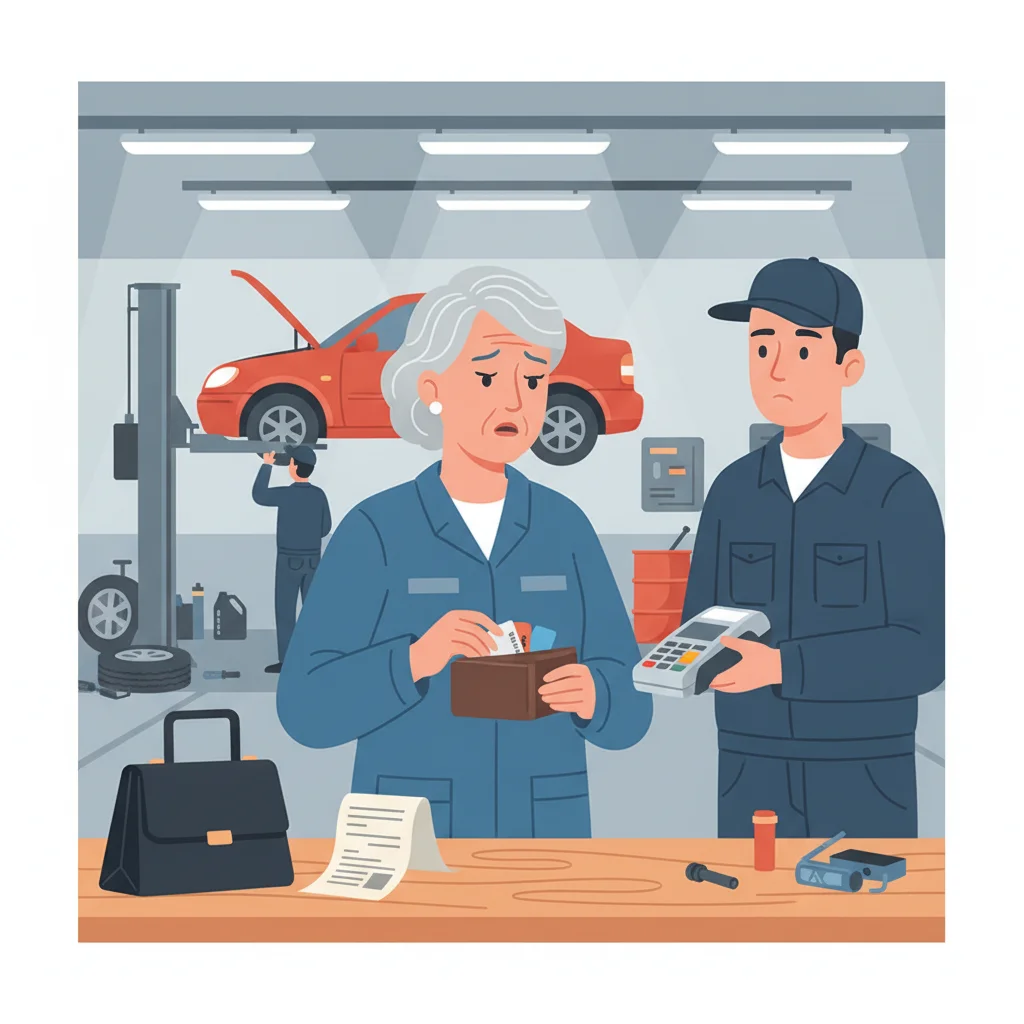
Imagine having a flat tire on your car and no cash or credit card to pay for the repair. Or facing an unexpected medical bill with no immediate funds available. These common scenarios highlight a critical aspect of personal finance that many overlook: liquidity. A recent study by Bankrate in 2025 revealed that 57% of Americans cannot cover a $1,000 unexpected expense from savings. This startling statistic underscores a significant vulnerability in many household budgets. Without sufficient liquidity, even minor financial shocks can quickly escalate into major crises, forcing individuals into debt or delaying essential needs. This comprehensive guide will demystify liquidity, explain its importance in personal finance, and provide actionable strategies to ensure you always have access to the funds you need, when you need them.
Liquidity Definition: In personal finance, liquidity refers to how easily and quickly an asset can be converted into cash without losing significant value. It represents your immediate access to funds to cover expenses, emergencies, or investment opportunities.
Understanding Personal Finance Liquidity
Liquidity is the bedrock of a stable financial life. It's not just about having money; it's about having money available when you need it most. Without adequate liquidity, even high-net-worth individuals can face financial distress if their wealth is tied up in illiquid assets.
What is Liquidity and Why Does it Matter?
At its core, liquidity measures the ease with which an asset can be turned into spendable cash. Cash itself is the most liquid asset. A checking account is highly liquid because you can access funds instantly. A house, on the other hand, is considered illiquid because selling it takes time and involves significant transaction costs. Understanding this distinction is crucial for managing your personal finances effectively.
The importance of liquidity cannot be overstated. It acts as your financial safety net, protecting you from unforeseen expenses and allowing you to seize opportunities. Without it, you might be forced to sell assets at a loss, take out high-interest loans, or delay critical purchases. For example, if you have a medical emergency and your only significant asset is a retirement account, accessing those funds prematurely could incur penalties and taxes, diminishing your overall wealth.
Liquid vs. Illiquid Assets: A Clear Distinction
To properly manage your personal finance liquidity, you must differentiate between liquid and illiquid assets. This distinction helps you assess your immediate financial readiness.
Liquid assets are those that can be quickly converted to cash with minimal impact on their value. They provide immediate access to funds. Examples include:
- Cash: Physical currency.
- Checking accounts: Funds readily available via debit card, ATM, or check.
- Savings accounts: Easily accessible, though sometimes with withdrawal limits.
- Money market accounts (MMAs): Offer slightly higher interest than savings accounts, with check-writing privileges.
- Certificates of Deposit (CDs) with short maturities: While CDs lock up funds, short-term CDs (e.g., 3-6 months) become liquid relatively quickly.
- Marketable securities: Stocks, bonds, and mutual funds traded on major exchanges can usually be sold within a few business days, though their value can fluctuate.
Illiquid assets are those that take time to convert to cash, often involving significant transaction costs or potential loss of value if sold quickly. These assets are important for long-term wealth building but should not be relied upon for immediate needs. Examples include:
- Real estate: Your primary home, investment properties, or land. Selling can take months and involves real estate agent fees, closing costs, and potentially repairs.
- Retirement accounts (401(k), IRA): While they hold liquid investments, withdrawing funds before retirement age often incurs penalties and taxes, making them illiquid for immediate needs.
- Private businesses or partnerships: Selling your stake can be complex and time-consuming.
- Collectibles and precious metals: Art, antiques, or physical gold/silver can be valuable but finding a buyer at a fair price can take time.
- Automobiles: While they can be sold, the process takes time, and their value depreciates quickly.
Understanding this spectrum is vital for constructing a balanced personal financial plan that includes both accessible funds and long-term growth.
Building and Maintaining Your Liquidity Strategy
A robust liquidity strategy is not just about having an emergency fund; it's about structuring your finances so you can navigate life's uncertainties with confidence. This involves a multi-tiered approach to savings and investments.
The Emergency Fund: Your First Line of Defense
The cornerstone of personal finance liquidity is a well-funded emergency fund. This dedicated pool of cash is designed to cover unexpected expenses without derailing your financial progress. Financial advisors widely recommend having 3 to 6 months' worth of essential living expenses saved in an easily accessible account. Some experts even suggest up to 12 months for those with unstable income or significant dependents.
- What to include: Essential living expenses typically cover housing (rent/mortgage), utilities, food, transportation, insurance premiums, and minimum debt payments. Discretionary spending like dining out or entertainment should generally be excluded.
- Where to keep it: Your emergency fund should be held in a highly liquid and secure account. High-yield savings accounts (HYSAs) are an excellent choice. As of April 2026, many HYSAs offer annual percentage yields (APYs) of 4.5% or higher, providing a modest return while keeping your funds accessible. Money market accounts (MMAs) are another viable option, often with check-writing capabilities.
- Why it's crucial: An emergency fund prevents you from going into debt, selling investments at a loss, or tapping into retirement accounts when unexpected events occur. These events could include job loss, medical emergencies, major home repairs, or car breakdowns.
Tiered Liquidity Strategy: Beyond the Emergency Fund
While an emergency fund covers immediate needs, a comprehensive liquidity strategy extends further, creating layers of accessible funds for different time horizons. This tiered liquidity approach ensures you have the right type of asset for various potential needs.
Tier 1: Immediate Cash (0-3 months' expenses): This is your core emergency fund, held in a high-yield savings account or money market account. It's for truly unexpected, urgent needs.
Tier 2: Short-Term Savings (3-12 months' expenses): For larger, less immediate but still critical needs, such as a large car repair, a home renovation, or a gap between jobs. This tier can include longer-term CDs (e.g., 6-12 months), short-term bond funds, or even a portion in a taxable brokerage account invested conservatively. The goal here is slightly higher returns than a savings account, with still relatively low risk and good accessibility.
Tier 3: Medium-Term Savings (1-3 years' expenses): This tier is for planned future expenses like a down payment on a house, a child's college fund (if not using dedicated 529 plans), or a sabbatical. Assets here might include diversified taxable brokerage accounts, slightly longer-term bond funds, or even real estate investment trusts (REITs) for income, understanding there's more market risk than Tier 1 or 2.
This layered approach ensures that you're not over-allocating funds to ultra-liquid, low-return accounts, while still maintaining sufficient access to cash when required.
Accessing Liquidity: Options and Considerations
Knowing where your liquid assets are is one thing; understanding how to access them efficiently is another. Different methods come with varying costs and implications.
- Savings and Checking Accounts: These are the most straightforward. Debit cards, ATMs, and online transfers offer instant access. There are typically no fees for withdrawing your own money.
- Money Market Accounts: Similar to savings accounts, offering easy access, often with check-writing features.
- Certificates of Deposit (CDs): While generally illiquid before maturity, some CDs offer penalty-free withdrawals for emergencies. Others will charge an early withdrawal penalty, usually a few months' interest. Always check the terms.
- Taxable Brokerage Accounts: Selling stocks, bonds, or mutual funds held in a non-retirement brokerage account typically takes T+2 business days (trade date plus two days) for settlement before funds are available for withdrawal. Capital gains may be taxable.
- Home Equity Line of Credit (HELOC) or Loan (HELOAN): For homeowners, a HELOC or HELOAN can provide access to funds based on your home's equity. A HELOC acts like a revolving credit line, while a HELOAN is a lump-sum loan. Interest rates for HELOCs were around 8.5-9.5% as of early 2026, making them a cheaper option than credit cards but still a debt instrument secured by your home. These should be considered a last resort for liquidity, as they put your home at risk.
- Personal Loans: Unsecured personal loans can offer quick access to funds but come with interest rates that vary widely based on creditworthiness, typically ranging from 6% to 36% in April 2026.
- Credit Cards: While offering immediate access to funds, credit cards are a very expensive form of liquidity due to high interest rates (average around 20-25% APR in 2026) if not paid off monthly. They should be used sparingly for emergencies and only if you can pay the balance quickly.
Carefully consider the costs, interest rates, and potential impact on your credit score before utilizing debt-based liquidity options.
The Impact of Liquidity on Financial Planning
Liquidity isn't just about emergency preparedness; it deeply influences every aspect of your financial planning, from investment decisions to managing debt and achieving long-term goals.
Investing for Liquidity vs. Growth
A common dilemma in personal finance is balancing the need for liquidity with the desire for investment growth. Highly liquid assets, like cash in a savings account, typically offer lower returns. Illiquid assets, such as real estate or long-term stocks, often have higher growth potential but come with greater risk and less accessibility.
- Cash: Provides safety and immediate access but is susceptible to inflation, meaning its purchasing power erodes over time. With inflation projected at around 2.5% for 2026, a savings account yielding 4.5% offers a real (inflation-adjusted) return of about 2%.
- Bonds: Generally less volatile than stocks and more liquid than real estate. Short-term government bonds or high-quality corporate bonds can offer better returns than savings accounts while maintaining relatively high liquidity.
- Stocks: Offer the highest long-term growth potential but are subject to market fluctuations. While individual stocks can be sold quickly, selling during a downturn to meet an immediate need can lock in losses. Therefore, stocks in a taxable brokerage account should be considered Tier 2 or Tier 3 liquidity.
- Real Estate: A powerful wealth builder but highly illiquid. It's crucial not to rely on real estate for short-term cash needs.
The key is to create a diversified portfolio that aligns your assets with your financial goals and time horizons. Ensure your immediate and short-term needs are covered by liquid assets before allocating significant capital to long-term, illiquid investments.
| Asset Type | Liquidity Level | Typical Return (Annualized) | Risk Level | Best Use Case |
|---|---|---|---|---|
| Cash/Checking | Very High | 0.01% - 0.10% | Very Low | Daily spending, buffer |
| High-Yield Savings | High | 4.5% - 5.0% (as of 2026) | Very Low | Emergency fund, short-term goals |
| Money Market Accts | High | 4.5% - 5.0% (as of 2026) | Very Low | Emergency fund, larger short-term savings |
| Short-Term CDs | Medium-High | 4.8% - 5.2% (as of 2026) | Low | Tiered liquidity, slightly higher yield |
| Short-Term Bond Fds | Medium | 3.5% - 5.5% | Low-Medium | Tiered liquidity, diversification |
| Stocks/ETFs | Medium | 7% - 10%+ (long-term avg) | High | Long-term growth, retirement |
| Real Estate | Very Low | 3% - 8% (appreciation + rent) | Medium-High | Long-term wealth building, primary residence |
| Retirement Accts | Very Low | Varies (investments within) | Varies | Long-term retirement savings |
Note: Returns are illustrative and subject to market conditions and specific account terms.
Debt Management and Liquidity
Debt plays a complex role in personal finance liquidity. While some debt, like a mortgage, can free up cash for other uses by leveraging an asset, high-interest consumer debt can severely restrict your liquidity.
- High-Interest Debt: Credit card debt, payday loans, or personal loans with high APRs consume a significant portion of your monthly income in interest payments. This reduces the cash available for savings or emergencies, effectively diminishing your liquidity. Prioritizing the repayment of high-interest debt can significantly improve your cash flow and overall financial flexibility.
- Low-Interest Debt: Mortgages or student loans typically have lower interest rates and longer repayment terms. While they are liabilities, managing them responsibly allows you to maintain better liquidity for other needs. However, having too much debt, even low-interest, can still strain your budget.
- Debt as a Liquidity Source (Caution): While credit cards or HELOCs can offer immediate access to funds, they should be viewed as a last resort for liquidity. Relying on debt for emergencies means you're paying for liquidity, which can quickly spiral into a debt trap. A financially sound approach is to build cash liquidity before needing to borrow.
Liquidity for Life Stages and Major Goals
Your need for liquidity changes throughout your life. Understanding these shifts is key to effective financial planning.
- Early Career: Focus on building a solid emergency fund and paying down high-interest debt. Your income might be lower, so every dollar of accessible cash is crucial.
- Family Building: As you take on more responsibilities (children, mortgage), your need for liquidity often increases. More dependents mean more potential unexpected expenses. Expanding your emergency fund and considering life insurance become critical.
- Mid-Career/Peak Earning: This is often a time to balance increasing investments for retirement and other long-term goals with maintaining substantial liquidity for potential career transitions, large home improvements, or children's college expenses.
- Pre-Retirement: As retirement approaches, a strategic shift towards more conservative, liquid investments might be prudent. You'll want to ensure you have enough accessible cash to cover initial retirement expenses before tapping into less liquid retirement accounts or selling assets.
- Retirement: Liquidity becomes paramount. You're no longer earning a regular income, so having readily available funds to cover living expenses, healthcare costs, and discretionary spending is essential. Many retirees adopt a "cash bucket" strategy, keeping 1-2 years of living expenses in cash and short-term bonds.
By proactively adjusting your liquidity strategy at each life stage, you can ensure your finances remain resilient and aligned with your evolving needs and goals.
Strategies to Enhance Your Personal Finance Liquidity
Improving your liquidity involves both increasing your accessible cash and reducing your reliance on illiquid assets for short-term needs. Here are practical strategies to boost your financial flexibility.
Increasing Cash Flow and Savings
The most direct way to enhance liquidity is to have more cash coming in than going out. This requires a focus on increasing income and optimizing expenses.
- Budgeting and Expense Tracking: A detailed budget helps you understand where your money goes. Tools like Mint, YNAB (You Need A Budget), or even a simple spreadsheet can help you identify areas to cut unnecessary spending. By reducing discretionary expenses, you free up cash that can be directed towards your emergency fund or other liquid savings.
- Automate Savings: Set up automatic transfers from your checking account to your high-yield savings account immediately after you get paid. Even small, consistent contributions add up over time. Treat savings as a non-negotiable expense.
- Increase Income: Explore ways to boost your earnings. This could involve negotiating a raise, taking on a side hustle, freelancing, or selling unused items. Every extra dollar earned can be channeled directly into your liquidity reserves.
- "Found Money" Strategy: Direct any unexpected windfalls—tax refunds, bonuses, inheritances—directly into your emergency fund or other liquid savings. Resist the urge to spend it. A 2025 IRS report showed the average tax refund was over $3,100, a significant boost to anyone's liquidity.
Optimizing Your Savings Accounts
Not all savings accounts are created equal. Choosing the right type of account can significantly impact your liquidity and the returns you earn.
- High-Yield Savings Accounts (HYSAs): These online-only accounts often offer significantly higher interest rates than traditional bank savings accounts, sometimes 10-20 times more. As of April 2026, many HYSAs offer APYs of 4.5% to 5.0%, providing a meaningful return on your emergency fund without sacrificing accessibility. They are FDIC-insured up to $250,000 per depositor, per institution, offering excellent security.
- Money Market Accounts (MMAs): Similar to HYSAs, MMAs offer competitive interest rates and FDIC insurance. They often come with check-writing privileges and debit cards, providing slightly more flexibility than a pure savings account, though they may have higher minimum balance requirements.
- CD Ladders: For larger sums you don't need immediately but want to keep somewhat accessible, a CD ladder can be effective. You invest money into several CDs with staggered maturity dates (e.g., 6-month, 1-year, 2-year, 3-year). As each CD matures, you can either reinvest it or use the cash, ensuring a portion of your funds becomes liquid at regular intervals. This balances liquidity with potentially higher CD interest rates.
Smart Use of Credit and Debt
While debt can be a liquidity drain, strategic use of credit can sometimes support your financial flexibility, provided it's managed responsibly.
- Maintain Good Credit Score: A strong credit score (760+) allows you to access loans and lines of credit at the lowest possible interest rates. This means if you do need to borrow in an emergency, it will be less costly. Regularly check your credit report and address any errors.
- Low-Interest Credit Cards for Emergencies (Last Resort): Having a credit card with a low interest rate (or a 0% introductory APR) can serve as an absolute last resort emergency fund if your cash reserves are depleted. However, the goal should always be to pay off the balance in full as quickly as possible to avoid high interest charges.
- Home Equity Line of Credit (HELOC): If you own a home with significant equity, a HELOC can provide a flexible line of credit. Interest rates are typically lower than personal loans or credit cards, but remember your home is collateral. This should be considered a very late-stage liquidity option, not a primary emergency fund.
Reviewing and Adjusting Your Liquidity Regularly
Your financial situation is dynamic. What worked for your liquidity needs last year might not be sufficient today.
- Annual Review: At least once a year, preferably during tax season or a financial planning review, assess your current income, expenses, and assets.
- Life Events: Major life changes—marriage, divorce, birth of a child, job loss, career change, buying a home—should trigger an immediate review of your liquidity strategy. These events often significantly alter your income, expenses, and financial responsibilities.
- Market Conditions: Changes in interest rates or economic outlook can impact the attractiveness of different liquid assets. For example, in a rising interest rate environment, HYSAs and short-term CDs become more appealing.
By actively managing and adapting your liquidity strategy, you ensure your personal finances remain resilient against unexpected challenges and poised for future opportunities.
Common Misconceptions About Liquidity
Even financially savvy individuals can sometimes misunderstand aspects of liquidity, leading to potential pitfalls. Clarifying these common misconceptions is crucial for sound financial planning.
"My Retirement Account is My Emergency Fund"
This is one of the most dangerous misconceptions. While your 401(k) or IRA may hold a substantial amount of money, it is explicitly designed for retirement and is highly illiquid for immediate needs.
- Penalties and Taxes: Withdrawing from a 401(k) or traditional IRA before age 59½ typically incurs a 10% early withdrawal penalty, plus the withdrawal is taxed as ordinary income. For example, if you're in the 22% tax bracket and withdraw $10,000, you could lose $1,000 to penalties and $2,200 to taxes, leaving you with only $6,800.
- Lost Growth: Every dollar withdrawn from a retirement account is a dollar that loses decades of potential compound growth. This can significantly impact your long-term financial security.
- Loan Options: While some 401(k) plans allow you to take a loan against your balance, these loans must be repaid with interest (often to yourself), and if you leave your job, the outstanding balance may become due immediately. Failure to repay can result in it being treated as a taxable withdrawal with penalties.
Your retirement account is a long-term growth vehicle, not a short-term cash source. Always maintain a separate, dedicated emergency fund.
"I Have a High Net Worth, So I'm Liquid"
Net worth is a measure of total assets minus total liabilities. A high net worth does not automatically equate to high liquidity. Someone could have a net worth of millions tied up entirely in real estate, private business equity, or valuable art.
- Asset Composition Matters: A person with $5 million in real estate and $10,000 in a checking account is far less liquid than someone with $500,000 in a diversified investment portfolio and $50,000 in cash.
- Time and Cost of Conversion: Converting illiquid assets into cash can take months or even years, and often involves significant transaction costs (e.g., real estate agent commissions, legal fees, capital gains taxes). Trying to sell quickly can force you to accept a lower price, eroding your net worth.
Focus on the composition of your assets, not just their total value, when assessing your personal finance liquidity.
"Credit Cards Provide Enough Liquidity"
Credit cards offer immediate purchasing power, but they are a form of high-interest debt, not a true liquid asset. Relying on credit cards for emergencies is a costly strategy.
- High Interest Rates: As mentioned, average credit card APRs are often above 20%. Carrying a balance means you're paying a premium for that "liquidity."
- Debt Cycle Risk: Using credit cards for emergencies without a plan to pay them off quickly can lead to a vicious cycle of debt, making it harder to save and build true liquidity.
- Credit Limit Limitations: Your credit limit might not be sufficient for a major emergency, and exceeding it can incur fees and damage your credit score.
While a credit card can be a backup for absolute emergencies, it should never replace a cash emergency fund.
The Future of Liquidity: Digital Assets and Beyond
As the financial landscape evolves, so do the concepts of assets and liquidity. The rise of digital currencies and other innovative financial products introduces new considerations for personal finance liquidity.
Cryptocurrencies and Digital Assets
Cryptocurrencies like Bitcoin and Ethereum, along with other digital assets such as NFTs, represent a new frontier in wealth. Their liquidity characteristics are complex and still evolving.
- Volatility: Cryptocurrencies are known for extreme price volatility. While they can be converted to fiat currency relatively quickly through exchanges, their value can fluctuate wildly in short periods. This makes them risky as a primary source of emergency liquidity. You might need to sell at a significant loss if an emergency strikes during a market downturn.
- Accessibility: Converting crypto to cash typically involves selling on an exchange and then withdrawing funds to a bank account, which can take a few business days. Some platforms offer crypto-backed debit cards, increasing accessibility for spending, but the underlying volatility remains.
- Regulatory Landscape: The regulatory environment for digital assets is still developing. Changes in regulations could impact their ease of conversion or even their value.
For now, financial advisors generally recommend treating cryptocurrencies as highly speculative, long-term investments rather than a reliable source of short-term liquidity. Their role in a personal finance liquidity strategy is minimal to non-existent for most individuals.
Fintech Innovations and Instant Access
The financial technology (fintech) sector is continuously developing solutions that aim to provide faster access to funds and improve liquidity.
- Instant Payment Systems: Services like Zelle, Venmo, and PayPal allow for near-instant transfers between individuals and businesses, increasing the speed of transactions.
- Earned Wage Access (EWA): Some employers and fintech companies offer services that allow employees to access a portion of their earned wages before their official payday. This can provide a short-term liquidity boost for unexpected expenses, potentially reducing reliance on high-interest loans.
- Robo-Advisors with Cash Management: Many robo-advisors now offer integrated cash management accounts that provide competitive interest rates and easy access to funds, blurring the lines between traditional banking and investing.
These innovations are enhancing the speed and convenience of accessing funds, but they don't replace the fundamental need to build a robust cash reserve. They primarily facilitate the movement of existing liquid assets rather than creating them.
As personal finance continues to evolve, staying informed about new tools and assets is important. However, the core principles of liquidity—maintaining accessible cash for emergencies and balancing growth with safety—will remain timeless.
Frequently Asked Questions
What is the primary purpose of liquidity in personal finance?
The primary purpose of liquidity in personal finance is to ensure you have immediate access to funds to cover unexpected expenses, emergencies, or short-term financial needs without having to sell long-term investments or incur high-interest debt. It acts as a financial safety net.
How much liquidity should I aim for in my emergency fund?
Financial experts generally recommend having 3 to 6 months' worth of essential living expenses saved in an easily accessible emergency fund. For those with unstable income or significant dependents, aiming for 6 to 12 months' expenses provides greater security.
Are retirement accounts considered liquid assets?
No, retirement accounts like 401(k)s and IRAs are generally considered illiquid for immediate needs. Withdrawing funds before age 59½ typically incurs a 10% early withdrawal penalty plus income taxes, making them a costly and inefficient source of short-term cash.
What are the best places to keep an emergency fund for liquidity?
The best places to keep an emergency fund are high-yield savings accounts (HYSAs) or money market accounts (MMAs). These accounts offer competitive interest rates (often 4.5% to 5.0% APY as of April 2026), are FDIC-insured, and provide easy access to your funds.
Can a Home Equity Line of Credit (HELOC) replace an emergency fund?
A HELOC should not replace a cash emergency fund. While it provides access to funds, it is a form of debt secured by your home, meaning your home is at risk if you cannot repay it. It should be considered a last-resort liquidity option, not a primary one.
What is the difference between net worth and liquidity?
Net worth is the total value of all your assets minus all your liabilities. Liquidity, on the other hand, refers specifically to how easily and quickly your assets can be converted into cash. You can have a high net worth but still be illiquid if most of your wealth is tied up in assets that are difficult to sell quickly.
How do I improve my personal finance liquidity?
You can improve your liquidity by increasing your cash flow through budgeting and higher income, automating savings into high-yield accounts, building a tiered liquidity strategy, and responsibly managing debt. Regularly review and adjust your strategy to fit your changing life circumstances.
Key Takeaways
- Liquidity is Essential: It's your immediate access to cash, crucial for financial stability and navigating unexpected events.
- Distinguish Assets: Understand the difference between highly liquid assets (cash, savings) and illiquid assets (real estate, retirement accounts).
- Build an Emergency Fund: Aim for 3-6 months (or more) of essential living expenses in a high-yield savings account.
- Implement Tiered Strategy: Beyond the emergency fund, layer your savings with short-term and medium-term liquid assets for different needs.
- Avoid Costly Liquidity: Do not rely on high-interest debt (credit cards) or retirement account withdrawals for short-term cash needs.
- Optimize Savings: Utilize high-yield savings accounts or money market accounts for better returns on your liquid funds.
- Regular Review: Periodically assess and adjust your liquidity strategy to align with your changing financial situation and life stages.
Conclusion
In the dynamic world of personal finance, liquidity stands as a non-negotiable pillar of financial security. It's not merely about having money; it's about having the right kind of money—accessible cash—at your fingertips when life inevitably throws a curveball. From unexpected job loss to medical emergencies, a robust liquidity strategy ensures you can weather financial storms without derailing your long-term goals or succumbing to high-interest debt.
By understanding the distinction between liquid and illiquid assets, diligently building an emergency fund, and implementing a tiered approach to your savings, you empower yourself with financial flexibility. Remember, your personal finance liquidity needs will evolve throughout your life, necessitating regular review and adjustment. Embrace the strategies outlined in this guide to build a resilient financial foundation, allowing you to seize opportunities and face challenges with confidence. Start today by assessing your current liquidity and taking concrete steps to strengthen your financial readiness.
Disclaimer: This article is for informational and educational purposes only and does not constitute financial, investment, or tax advice. Always consult a qualified financial advisor before making investment decisions.
The information provided in this article is for educational purposes only and does not constitute financial, investment, or legal advice. Always consult with a qualified financial advisor, tax professional, or legal counsel for personalized guidance tailored to your specific situation before making any financial decisions.
Comments
No comments yet. Be the first to comment!
More from Personal Finance



Explore Related Guides
Expert reviews of Gold IRA companies, rollover guides, fees, and IRS rules.
Comprehensive investment strategies covering stocks, bonds, ETFs, crypto, and real estate.
Compare banking products, interest rates, and strategies to maximize your savings.