
Financial Ghosting: Why Gen Z Disappears from Debt
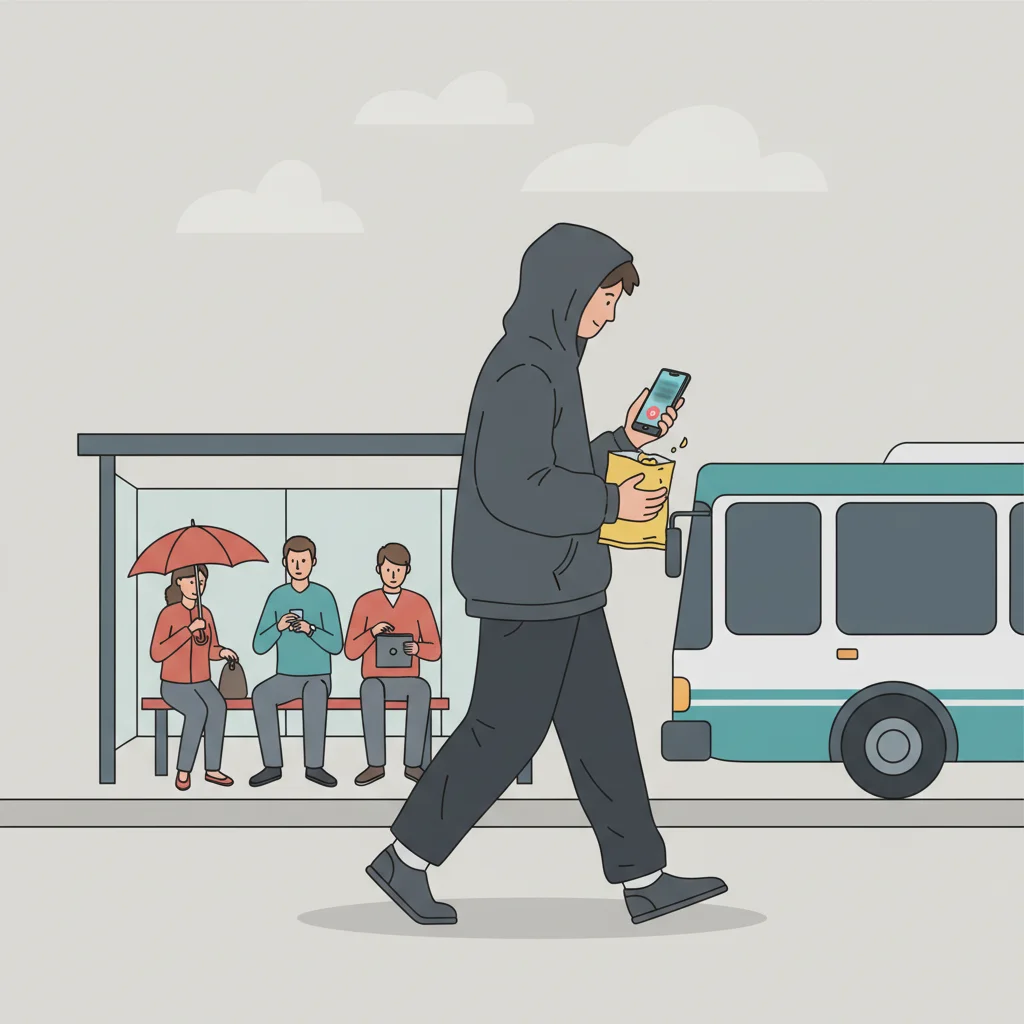
The financial landscape for young adults is increasingly complex, marked by rising costs and economic uncertainty. A growing, yet controversial, trend among Gen Z is "financial ghosting"—a deliberate act of disengaging from creditors and financial obligations. This phenomenon, while seemingly offering a temporary escape from overwhelming debt, carries significant and often severe long-term consequences. Understanding financial ghosting is crucial for anyone navigating modern personal finance, whether as a borrower, lender, or financial educator.
Financial Ghosting Definition: Financial ghosting refers to the intentional act of avoiding communication with creditors and defaulting on financial obligations, often by changing contact information or simply ignoring bills, in an attempt to disappear from debt.
The Rise of Financial Ghosting Among Gen Z
Financial ghosting, a term borrowed from dating culture, describes the act of abruptly ending communication without explanation. In the financial world, this translates to debtors intentionally ceasing contact with lenders and defaulting on payments, hoping their debts will somehow vanish. This trend is particularly prevalent among Gen Z, a generation facing unique economic pressures.
This section will explore the underlying reasons why Gen Z might resort to such drastic measures and the broader context of their financial struggles.
Understanding Gen Z's Financial Landscape
Gen Z, broadly defined as those born between 1997 and 2012, entered adulthood during a period of significant economic upheaval. They face challenges that previous generations did not, contributing to higher levels of financial stress and, for some, a propensity toward financial ghosting.
A 2024 survey by the National Association of Financial Planners found that 62% of Gen Z adults report feeling financially stressed, compared to 51% of millennials and 38% of Gen X. This stress is often rooted in a combination of factors, including student loan debt, high housing costs, and stagnant wage growth relative to inflation. The average student loan debt for a graduating senior in 2025 is projected to be around $37,500, a burden many find difficult to manage alongside other living expenses.
Key Drivers Behind the Phenomenon
Several factors contribute to Gen Z's inclination towards financial ghosting. These range from systemic economic issues to psychological responses to financial stress. Understanding these drivers is essential to addressing the root causes of this behavior.
Overwhelming Debt Burden
The sheer volume of debt, particularly student loans, can feel insurmountable. Many Gen Z individuals graduate with substantial educational debt, only to enter a job market that may not offer salaries commensurate with their education or the cost of living. This creates a cycle where minimum payments consume a large portion of their income, leaving little room for savings or discretionary spending. When the debt feels too large to ever pay off, some may feel that disengaging is their only option.
Lack of Financial Literacy and Support
Despite growing up in the digital age, many Gen Z individuals report a lack of comprehensive financial education. A 2023 study by Junior Achievement found that 51% of teens feel unprepared to manage their money. Without a solid understanding of credit, interest, debt consolidation, or bankruptcy, individuals may not know their options when facing financial distress. This knowledge gap can lead to panic and a feeling of helplessness, making ghosting seem like a viable, albeit ill-informed, solution.
Mental Health and Financial Stress
There's a strong correlation between financial stress and mental health issues. The constant pressure of debt can lead to anxiety, depression, and a sense of hopelessness. For some, financial ghosting becomes a coping mechanism—an attempt to alleviate immediate stress by avoiding the source of the problem. However, this temporary relief often comes at the cost of long-term financial and psychological well-being. The "ostrich effect," where individuals avoid negative financial information, is a common psychological response that can contribute to financial ghosting.
Influence of Digital Disconnection
Gen Z is the first generation to grow up entirely with the internet and social media. While this offers many benefits, it also normalizes disengagement. Ghosting in personal relationships has become a recognized phenomenon, and this behavior can sometimes extend to financial interactions. The ease of changing phone numbers, email addresses, and even physical addresses in a digital world can make "disappearing" seem more feasible than it actually is.
The Hidden Costs of Financial Ghosting
While financial ghosting might offer a temporary reprieve from debt collectors and the stress of mounting bills, its long-term consequences are severe and far-reaching. The perceived short-term gain is significantly outweighed by the damage inflicted on one's financial future.
This section will detail the various hidden costs, from credit score devastation to legal repercussions and psychological toll.
Devastation of Credit Score and History
The most immediate and impactful consequence of financial ghosting is the severe damage to one's credit score. When you stop making payments and ignore creditors, your accounts are reported as delinquent and eventually sent to collections.
Impact on Credit Score
Your credit score is a three-digit number that represents your creditworthiness. It's calculated based on your payment history, amounts owed, length of credit history, new credit, and credit mix. Financial ghosting negatively impacts almost all these factors. Missed payments, defaults, and accounts sent to collections are heavily weighted negative marks that can drop a credit score by hundreds of points. For example, a single 90-day late payment can reduce a FICO score of 780 by up to 180 points. These negative marks can remain on your credit report for up to seven years.
Long-Term Credit Implications
A poor credit score makes it incredibly difficult to obtain future loans, credit cards, or even favorable insurance rates. Lenders view individuals with a history of financial ghosting as high-risk, leading to:
- Higher interest rates: If you can get approved for a loan, the interest rates will be significantly higher, costing you more over time.
- Difficulty securing housing: Landlords often check credit reports, and a poor score can prevent you from renting an apartment or house.
- Challenges with employment: Some employers, particularly in financial roles, review credit reports as part of their background checks.
- Increased insurance premiums: Auto and home insurance providers often use credit-based insurance scores, meaning a low credit score can lead to higher premiums.
Legal and Collection Ramifications
Financial ghosting does not make debt disappear; it escalates the situation. Creditors have legal avenues to pursue unpaid debts, which can lead to significant legal and financial distress for the individual.
Debt Collection Efforts
When you stop paying, creditors will first attempt to contact you through calls, emails, and letters. If these efforts fail, they will likely sell your debt to a debt collection agency. These agencies specialize in recovering overdue payments and are often more aggressive in their tactics. They can report the debt to credit bureaus, further damaging your credit.
Lawsuits and Wage Garnishment
If collection efforts are unsuccessful, creditors or collection agencies can file a lawsuit against you to recover the debt. If they win, they can obtain a court order for:
- Wage garnishment: A portion of your wages can be legally withheld by your employer and sent directly to the creditor. Federal law limits garnishment to 25% of disposable earnings or the amount by which disposable earnings exceed 30 times the federal minimum wage, whichever is less.
- Bank account levies: Funds can be directly seized from your bank accounts.
- Property liens: A lien can be placed on your property, such as your home, making it difficult to sell or refinance until the debt is paid.
These legal actions are costly, stressful, and can severely impact your financial stability for years.
Psychological and Emotional Toll
Beyond the tangible financial and legal consequences, financial ghosting takes a significant toll on an individual's mental and emotional well-being. The constant fear of being caught, the shame, and the isolation can lead to chronic stress and anxiety.
Chronic Stress and Anxiety
Living with unpaid debts and actively avoiding them creates a state of perpetual anxiety. Every phone call from an unknown number, every letter in the mail, can trigger fear. This chronic stress can manifest physically, leading to sleep disturbances, headaches, and other health issues. The mental burden of constantly looking over your shoulder can be immense.
Shame and Isolation
There's often a deep sense of shame associated with financial struggles and the act of ghosting. This shame can lead to isolation, as individuals may avoid discussing their problems with friends or family, fearing judgment. This lack of support can exacerbate mental health issues and make it harder to find a path out of debt. The feeling of being "found out" can be a constant source of distress.
Missed Opportunities and Future Limitations
A damaged credit history and ongoing debt can limit future opportunities, impacting career advancement, personal milestones, and overall quality of life.
Limited Access to Financial Products
Beyond loans and credit cards, a poor credit score can prevent you from accessing essential financial products and services. This includes:
- Mortgages: Homeownership becomes a distant dream without a good credit score.
- Car loans: Purchasing a vehicle, especially a reliable one, becomes expensive or impossible.
- Business loans: Entrepreneurial aspirations can be stifled if you can't secure funding.
Impact on Employment and Housing
As mentioned, some employers check credit. Furthermore, securing rental housing often requires a credit check. A history of defaults and collections can make it extremely difficult to find a place to live, forcing individuals into less desirable or more expensive housing situations. The inability to secure stable housing or employment creates a vicious cycle that is hard to break.
| Consequence | Immediate Impact | Long-Term Impact |
|---|---|---|
| Credit Score | Severe drop (e.g., 100-200 points) | Negative marks for 7+ years, difficulty getting credit |
| Debt Collection | Aggressive calls/letters, debt sold to agencies | Lawsuits, wage garnishment, bank levies |
| Mental Health | Immediate stress, fear, shame | Chronic anxiety, depression, isolation |
| Future Opportunities | Higher interest rates, limited credit access | No mortgage, difficulty renting, employment issues |
| Financial Cost | Late fees, collection fees | Legal fees, increased interest, inability to build wealth |
Navigating Debt: Alternatives to Financial Ghosting
While the temptation to disappear from debt can be strong, especially when feeling overwhelmed, there are numerous constructive and effective alternatives. These strategies focus on proactive engagement with creditors and leveraging financial tools to manage and reduce debt without incurring the severe consequences of financial ghosting.
This section will outline practical steps and resources available to those struggling with debt.
Open Communication with Creditors
The most crucial step in managing debt is to communicate with your creditors. They are often more willing to work with you than you might think, especially if you reach out before missing multiple payments.
Debt Hardship Programs
Many creditors offer hardship programs for borrowers experiencing financial difficulties. These programs can include:
- Temporary payment reductions: Your monthly payment might be lowered for a set period.
- Payment deferral: Payments might be paused for a few months, with interest potentially accruing.
- Interest rate reduction: Some creditors may temporarily lower your interest rate to make payments more manageable.
- Loan modification: For mortgages or larger loans, the terms might be permanently altered to make payments more affordable.
It's vital to contact your creditor as soon as you anticipate trouble. Be honest about your situation and be prepared to provide documentation of your financial hardship.
Debt Management Strategies
Several structured approaches can help you gain control over your debt. These strategies require discipline but offer a clear path to becoming debt-free.
Budgeting and Expense Reduction
A foundational step is to create a realistic budget. Track all your income and expenses to identify where your money is going. Look for areas where you can cut back, even temporarily, to free up funds for debt payments. This might include reducing discretionary spending on dining out, entertainment, or subscriptions. Tools like budgeting apps or spreadsheets can make this process easier. The goal is to maximize the amount you can put towards debt.
Debt Snowball vs. Debt Avalanche
These are two popular methods for tackling multiple debts:
- Debt Snowball: Pay off debts from smallest balance to largest, regardless of interest rate. Once the smallest debt is paid, you roll that payment amount into the next smallest debt. This method provides psychological wins, keeping you motivated.
- Debt Avalanche: Pay off debts from highest interest rate to lowest. This method saves you the most money on interest over time.
Choose the method that best suits your personality and financial situation. The most effective method is the one you stick with.
Debt Consolidation
Debt consolidation involves taking out a new loan to pay off multiple existing debts, ideally at a lower interest rate. This simplifies your payments into a single monthly bill and can reduce the total interest paid. Options include:
- Personal loans: Unsecured loans from banks or credit unions.
- Balance transfer credit cards: Moving high-interest credit card balances to a new card with a 0% introductory APR. Be mindful of the transfer fees and ensure you can pay off the balance before the promotional period ends.
- Home equity loans or lines of credit (HELOC): Using your home as collateral. This can offer lower rates but puts your home at risk if you default.
Seeking Professional Help
When debt feels overwhelming, professional guidance can be invaluable. Financial experts can provide tailored advice and help you navigate complex situations.
Credit Counseling Agencies
Non-profit credit counseling agencies offer free or low-cost services to help you manage debt. They can:
- Review your financial situation.
- Help you create a budget.
- Negotiate with creditors on your behalf for reduced interest rates or payment plans.
- Enroll you in a Debt Management Plan (DMP), where you make one monthly payment to the agency, and they distribute it to your creditors. A DMP typically lasts 3-5 years.
Ensure the agency is accredited by organizations like the National Foundation for Credit Counseling (NFCC).
Bankruptcy (As a Last Resort)
Bankruptcy is a legal process that can eliminate or reorganize your debts. It should be considered a last resort due to its severe impact on your credit for many years (up to 10 years for Chapter 7).
- Chapter 7 Bankruptcy: Liquidates non-exempt assets to pay creditors, and remaining eligible debts are discharged.
- Chapter 13 Bankruptcy: Allows individuals with regular income to create a repayment plan over 3-5 years, after which remaining eligible debts are discharged.
Consult with a qualified bankruptcy attorney to understand if this is the right option for your specific circumstances. They can explain the different types of bankruptcy and their implications.
Building Financial Literacy and Resilience
Proactive education and building financial resilience are key to preventing future debt crises.
Continuous Financial Education
Invest time in understanding personal finance concepts. Resources include:
- Online courses and webinars
- Books and reputable financial websites (like One Percent Finance)
- Workshops offered by community organizations
Understanding topics like compound interest, credit utilization, and investment basics can empower you to make informed decisions.
Emergency Fund Creation
An emergency fund is a crucial buffer against unexpected expenses, such as job loss or medical emergencies. Aim to save at least 3-6 months' worth of essential living expenses in a readily accessible savings account. This fund can prevent you from relying on high-interest debt when unforeseen events occur, strengthening your overall financial resilience.
Preventing Financial Ghosting: A Proactive Approach
Preventing financial ghosting requires a multi-faceted approach, addressing both individual behaviors and systemic issues. For individuals, it means cultivating strong financial habits and seeking help early. For society, it involves better financial education and support systems.
This section will focus on strategies for individuals to avoid falling into the trap of financial ghosting and for institutions to support healthier financial behaviors.
Cultivating Healthy Financial Habits
Establishing good financial habits from a young age is paramount. These habits form the bedrock of long-term financial stability and reduce the likelihood of debt becoming unmanageable.
Early Financial Education
Schools, parents, and community programs play a vital role in providing financial literacy. Education should cover:
- Budgeting basics: How to create and stick to a budget.
- Understanding credit: What credit scores are, how they work, and the importance of responsible credit use.
- Debt management: Different types of debt, interest rates, and strategies for repayment.
- Saving and investing: The power of compound interest and the importance of an emergency fund.
Starting these lessons early can equip young people with the tools they need before they face significant financial decisions. A 2025 report by the Council for Economic Education indicated that only 28 states require high school students to take a personal finance course, highlighting a critical gap.
Mindful Borrowing
Before taking on any debt, especially student loans or credit card debt, individuals should carefully consider their ability to repay. This involves:
- Understanding loan terms: Interest rates, repayment schedules, and potential fees.
- Assessing future income: Researching potential salaries in their chosen career path.
- Exploring alternatives: Scholarships, grants, and part-time work to reduce borrowing needs.
Avoid borrowing more than absolutely necessary. For instance, while a student loan can be a necessary tool for higher education, borrowing only what's essential for tuition and books, rather than maximizing living expense loans, can significantly reduce future debt burden.
Regular Financial Check-ups
Just like health check-ups, regular financial reviews are crucial. This means:
- Reviewing bank and credit card statements: To catch errors and monitor spending.
- Checking credit reports annually: To ensure accuracy and identify any fraudulent activity. You can get a free report from each of the three major credit bureaus (Equifax, Experian, TransUnion) once every 12 months at AnnualCreditReport.com.
- Revisiting your budget: Adjusting it as income or expenses change.
These routine checks help you stay informed and catch potential problems before they escalate.
Leveraging Technology for Financial Wellness
Technology offers numerous tools that can assist in managing finances and preventing debt issues.
Budgeting Apps and Tools
Modern budgeting apps like Mint, YNAB (You Need A Budget), or Personal Capital can automate expense tracking, categorize spending, and send alerts for upcoming bills. These tools provide a clear picture of your financial health and help you stick to your budget. Many banks also offer integrated budgeting features within their online banking platforms.
Automated Savings and Bill Pay
Setting up automatic transfers to savings accounts and automated bill payments ensures that you consistently save and never miss a payment. This removes the mental burden and reduces the risk of late fees or negative marks on your credit report. Even small, regular contributions to savings can build up significantly over time thanks to compound interest.
The Role of Financial Institutions and Policy
Financial institutions and policymakers also have a role in mitigating financial ghosting by fostering a more supportive and transparent financial environment.
Accessible Financial Counseling
Banks and credit unions should offer more readily accessible and affordable financial counseling services to their customers. Proactive outreach to customers showing early signs of financial distress could prevent escalation to ghosting. Partnerships with non-profit credit counseling agencies could also expand access to expert advice.
Clearer Loan Terms and Disclosures
Lenders should ensure that loan terms, interest rates, and potential fees are presented in clear, easy-to-understand language. Complex jargon can be intimidating and contribute to a lack of understanding, especially for young borrowers. Simplified disclosures can empower borrowers to make more informed decisions.
Support for Student Loan Borrowers
Given the significant impact of student loan debt on Gen Z, policies that offer more flexible repayment options, income-driven repayment plans, and clearer pathways to loan forgiveness (where applicable) are crucial. The federal government's recent efforts to streamline income-driven repayment plans and address loan forgiveness programs are steps in the right direction, providing a safety net for borrowers facing hardship.
By combining individual responsibility with systemic support, the prevalence of financial ghosting can be reduced, leading to a healthier financial future for Gen Z and beyond.
Frequently Asked Questions
What exactly is financial ghosting?
Financial ghosting is when someone intentionally avoids communicating with their creditors and stops making payments on their debts. They might change their phone number, email, or address to avoid debt collectors, hoping the debt will disappear.
Why is Gen Z more prone to financial ghosting?
Gen Z faces unique financial pressures, including high student loan debt, rising living costs, and often a lack of comprehensive financial education. These factors, combined with mental health stress and the normalization of "ghosting" in digital communication, can make disengaging from debt seem like a temporary solution.
What are the immediate consequences of financial ghosting?
The immediate consequences include a severe drop in your credit score, aggressive debt collection efforts from creditors, and the accumulation of late fees and penalties. You will also experience significant stress and anxiety from constantly trying to avoid contact.
How long does financial ghosting affect your credit score?
Negative marks from missed payments, defaults, and accounts sent to collections can stay on your credit report for up to seven years. Bankruptcy, if declared, can remain for up to 10 years, making it very difficult to obtain new credit or loans during that time.
What are some better alternatives to financial ghosting?
Instead of ghosting, you should communicate with your creditors to discuss hardship programs, create a detailed budget, consider debt management strategies like the debt snowball or avalanche, or explore debt consolidation. Seeking help from a non-profit credit counseling agency is also a highly recommended step.
Can debt collectors sue you if you financially ghost them?
Yes, absolutely. If collection efforts fail, creditors or debt collection agencies can file a lawsuit against you to recover the unpaid debt. If they win, they can obtain court orders for wage garnishment, bank account levies, or liens on your property.
How can I prevent myself from financial ghosting in the future?
Focus on building healthy financial habits, such as creating a budget, saving an emergency fund, and mindfully borrowing. Leverage technology for automated savings and bill pay, and continuously educate yourself on personal finance. If you face financial difficulty, communicate with creditors early and seek professional help.
Common Personal Finance Myths — Debunked
Myth: If I ignore my debts long enough, they'll eventually disappear or be forgotten.
Fact: Debts do not simply disappear. While some debts may eventually fall outside the statute of limitations for legal action (which varies by state, typically 3-6 years), the debt itself still exists. It will remain on your credit report for up to seven years, severely damaging your creditworthiness and making it difficult to secure loans, housing, or even some jobs. Creditors can also sell your debt to collection agencies, who will continue to pursue payment.
Myth: Financial ghosting is a clever way to escape debt without consequence, especially for small amounts.
Fact: There are no "small" consequences for financial ghosting. Any debt, regardless of its size, that goes unpaid and unaddressed will negatively impact your credit score, lead to late fees, and potentially result in collection agency involvement or even lawsuits. The damage to your credit history is the same whether you ghost on a $500 credit card bill or a $5,000 personal loan, making future financial endeavors much harder.
Myth: Bankruptcy is the same as financial ghosting, so I might as well just disappear.
Fact: Bankruptcy is a legal process, not an act of disappearing. It involves formally declaring your inability to repay debts under court supervision. While it has severe credit implications, it provides a structured way to resolve debt, offers legal protection from creditors, and provides a fresh start. Financial ghosting, in contrast, is an illegal and unsustainable avoidance tactic that offers no legal protection and only delays and exacerbates the negative consequences, often leading to lawsuits and wage garnishments.
Key Takeaways
Financial Ghosting Defined: It's the intentional avoidance of creditors and financial obligations, often by changing contact information, hoping debts will vanish.
Gen Z's Vulnerability: High student loan debt, rising living costs, and a lack of financial literacy contribute to Gen Z's susceptibility to this trend.
Severe Credit Damage: Financial ghosting devastates credit scores, with negative marks remaining for up to seven years, impacting future loans, housing, and employment.
Legal Repercussions: Creditors can pursue lawsuits, leading to wage garnishment, bank account levies, or property liens.
Psychological Toll: The constant fear, shame, and anxiety associated with ghosting can severely impact mental and emotional well-being.
Proactive Alternatives Exist: Open communication with creditors, debt management plans, budgeting, and professional credit counseling are effective, constructive solutions.
Prevention is Key: Early financial education, mindful borrowing, regular financial check-ups, and leveraging technology can prevent debt from becoming unmanageable.
Conclusion
Financial ghosting, while seemingly an immediate escape from overwhelming debt, is a dangerous and ultimately self-defeating strategy. The allure of disappearing from financial obligations is quickly overshadowed by the devastating long-term consequences, including severely damaged credit, aggressive legal action, and significant psychological distress. For Gen Z and all individuals navigating the complexities of modern finance, understanding these hidden costs is paramount.
Instead of succumbing to the temptation of avoidance, embracing proactive debt management strategies and seeking professional help offers a sustainable path to financial wellness. By fostering open communication with creditors, leveraging available resources, and building strong financial habits, individuals can effectively tackle their debt, rebuild their credit, and secure a stable financial future. Remember, your financial health is a journey, and engaging with challenges head-on is always more rewarding than attempting to disappear.
Disclaimer: This article is for informational and educational purposes only and does not constitute financial, investment, or tax advice. Always consult a qualified financial advisor before making investment decisions.
The information provided in this article is for educational purposes only and does not constitute financial, investment, or legal advice. Always consult with a qualified financial advisor, tax professional, or legal counsel for personalized guidance tailored to your specific situation before making any financial decisions.
Comments
No comments yet. Be the first to comment!
More from Personal Finance



Explore Related Guides
Expert reviews of Gold IRA companies, rollover guides, fees, and IRS rules.
Comprehensive investment strategies covering stocks, bonds, ETFs, crypto, and real estate.
Compare banking products, interest rates, and strategies to maximize your savings.