Master Your Money: Essential Strategies for Budgeting & Saving

Financial freedom often feels like a distant dream, but it's built on a foundation of sound money management. Many individuals face daily stress over finances, with recent data from the American Psychological Association in 2025 showing that money remains a leading cause of stress for adults. The good news is that you have the power to take control. This comprehensive guide will equip you with the knowledge and practical strategies needed to effectively manage your income, reduce debt, and build a secure financial future through smart budgeting and consistent saving.
Budgeting & Saving Definition: Budgeting is the process of creating a plan to spend and save your money, while saving involves setting aside funds for future use, often for specific goals or emergencies. Together, they form the cornerstone of personal financial health.
Why Budgeting is Your Financial GPS
Budgeting is more than just tracking expenses; it's a strategic roadmap for your money. It helps you understand where your income goes, identify areas for improvement, and align your spending with your financial goals. Without a budget, it's easy for money to slip through your fingers, leaving you wondering why you never seem to have enough.
Understanding Your Income and Expenses
The first step in effective budgeting is gaining a clear picture of your financial inflows and outflows. This involves accurately identifying all sources of income and meticulously tracking every expense. Many people underestimate how much they spend on non-essential items, which can be a significant drain on their finances.
Income: This includes your net pay from your job, any freelance income, rental income, investment dividends, or other regular payments you receive. It's crucial to use your net income (after taxes and deductions) when budgeting, as this is the actual money you have available to spend and save. For example, if your gross salary is $5,000 per month but your take-home pay is $3,800, you should budget with the $3,800 figure.
Expenses: These are categorized into fixed and variable costs. Fixed expenses are generally the same amount each month, such as rent/mortgage payments, loan payments, and insurance premiums. Variable expenses fluctuate, including groceries, utilities, entertainment, and transportation. Tracking these expenses for at least one to two months provides a realistic baseline for your spending habits. Tools like banking apps, budgeting software, or even a simple spreadsheet can help you categorize and monitor these outflows.
Choosing the Right Budgeting Method
There isn't a one-size-fits-all budgeting approach. The best method is one you can consistently stick with. Each method offers a different level of detail and control, allowing you to choose what aligns best with your financial personality and goals.
Here are some popular and effective budgeting methods:
The 50/30/20 Rule: This simple rule allocates 50% of your after-tax income to needs, 30% to wants, and 20% to savings and debt repayment.
Needs: Housing, utilities, groceries, transportation, insurance, minimum debt payments.
Wants: Dining out, entertainment, subscriptions, vacations, shopping for non-essentials.
Savings & Debt Repayment: Emergency fund, retirement contributions, extra debt payments.
This method is excellent for beginners due to its straightforward nature.
Zero-Based Budgeting: With this method, every dollar of your income is assigned a "job" – whether it's for an expense, saving, or debt repayment – until your income minus your expenses and savings equals zero. This ensures you're intentional with every dollar. It requires more detailed tracking but provides maximum control over your money.
Envelope System: A cash-based method where you allocate physical cash into envelopes for different spending categories (e.g., "Groceries," "Entertainment"). Once an envelope is empty, you stop spending in that category until the next budgeting period. This is particularly effective for those who tend to overspend with credit cards.
Pay Yourself First: This method prioritizes saving by automatically transferring a set amount from your paycheck into your savings or investment accounts before you even see the money. The remaining funds are then used for expenses. This ensures your savings goals are met consistently.
Choosing a method is just the start; consistency is key. Regularly review your budget to ensure it remains relevant to your current financial situation and goals.
Building a Strong Financial Foundation Through Saving
Saving money is not just about accumulating wealth; it's about building resilience, achieving dreams, and securing your future. A robust savings strategy acts as a safety net and a launchpad for your financial aspirations.
The Importance of an Emergency Fund
An emergency fund is arguably the most critical component of personal finance. It's a dedicated savings account for unexpected expenses, preventing you from going into debt when life throws a curveball. The Federal Reserve's 2025 Report on the Economic Well-Being of U.S. Households indicated that a significant portion of Americans still struggle to cover a $400 unexpected expense, highlighting the ongoing need for emergency savings.
What to Save For:
- Job loss
- Medical emergencies
- Unexpected home repairs (e.g., furnace breakdown, roof leak)
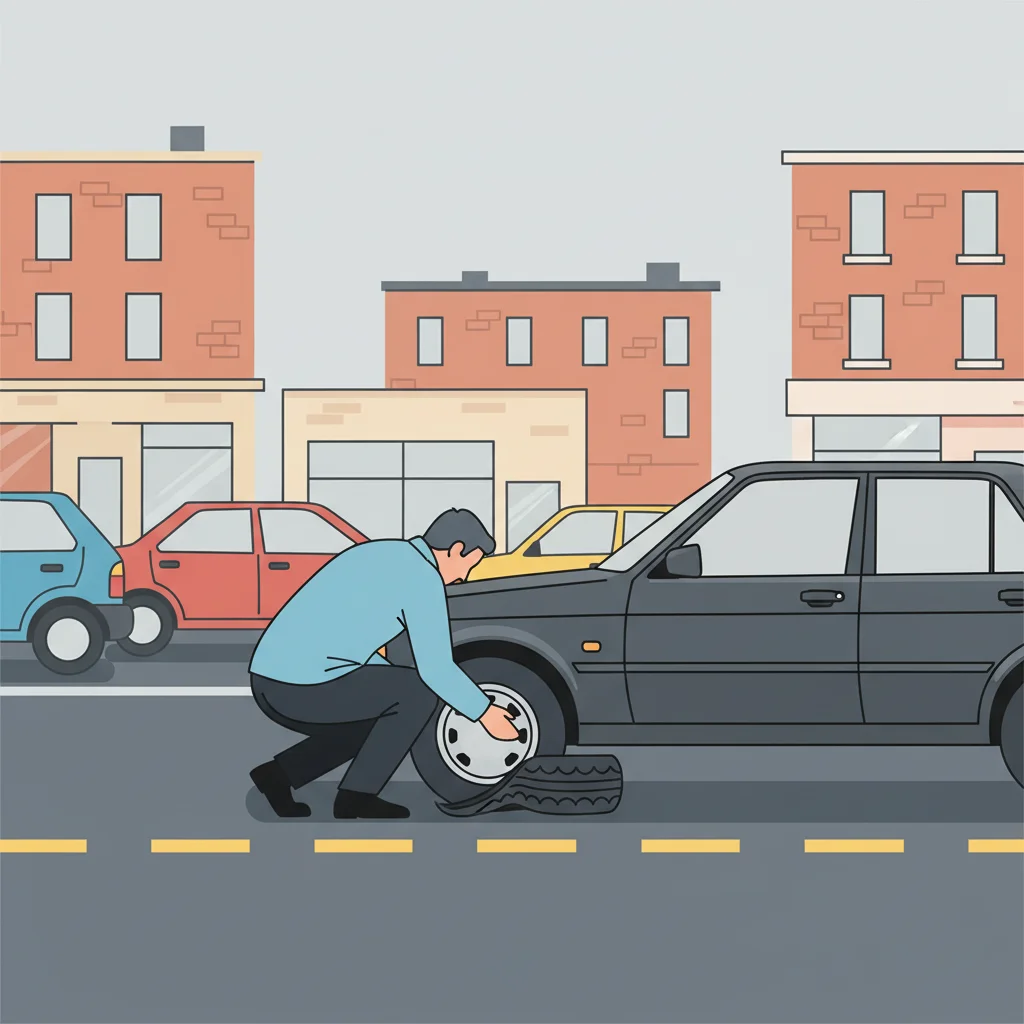
- Car repairs
- Unforeseen travel
How Much to Save: Financial experts generally recommend saving 3 to 6 months' worth of essential living expenses. If you have an unstable income or dependents, aiming for 6 to 12 months might be more prudent. Calculate your essential monthly expenses (rent, utilities, groceries, insurance, minimum debt payments) and multiply that by your target number of months. For example, if your essential expenses are $2,500 per month, you should aim for $7,500 to $15,000 in your emergency fund.
Where to Keep It: Your emergency fund should be easily accessible but separate from your everyday checking account. A high-yield savings account is ideal, as it offers a slightly better interest rate than traditional savings accounts while keeping your money liquid and safe. Avoid investing your emergency fund in volatile assets like stocks, as you might need the money quickly and cannot risk a market downturn.
Setting and Achieving Savings Goals
Beyond the emergency fund, defining specific savings goals gives purpose to your efforts. Whether it's a down payment on a house, a child's education, a dream vacation, or retirement, clear goals motivate consistent saving.
SMART Goals: Use the SMART framework to set your savings goals:
- Specific: Clearly define what you're saving for (e.g., "a $30,000 down payment for a house").
- Measurable: Quantify the amount needed and track your progress (e.g., "save $500 per month").
- Achievable: Set realistic goals based on your income and expenses.
- Relevant: Ensure the goal aligns with your broader financial objectives.
- Time-bound: Give yourself a deadline (e.g., "by March 2029").
Automate Your Savings: One of the most effective strategies is to automate transfers from your checking account to your savings accounts immediately after you get paid. This "set it and forget it" approach ensures you consistently contribute to your goals without relying on willpower alone. Many banks allow you to set up recurring transfers, and you can even split your direct deposit to send a portion directly to savings.
Prioritize Your Goals: If you have multiple savings goals, prioritize them. The emergency fund should always come first. After that, consider goals with deadlines or significant financial impact, such as retirement or a down payment. You might save for a few goals simultaneously, allocating different amounts to each.
Saving for Retirement
Saving for retirement is a long-term goal that requires consistent effort over decades. The earlier you start, the more time your money has to grow through the power of compounding, where your earnings also earn returns.
Retirement Account Options:
- 401(k) or 403(b): Employer-sponsored plans. Many employers offer a matching contribution, which is essentially free money. Contribute at least enough to get the full match. For 2026, the IRS contribution limit for employee deferrals to 401(k)s is expected to be $23,000 ($30,500 if age 50 or over).
- Individual Retirement Account (IRA):
- Traditional IRA: Contributions may be tax-deductible, and taxes are paid upon withdrawal in retirement.
- Roth IRA: Contributions are made with after-tax dollars, and qualified withdrawals in retirement are tax-free. For 2026, the IRA contribution limit is expected to be $7,000 ($8,000 if age 50 or over).
- Health Savings Account (HSA): If you have a high-deductible health plan (HDHP), an HSA offers a triple tax advantage: tax-deductible contributions, tax-free growth, and tax-free withdrawals for qualified medical expenses. It can also function as a retirement account after age 65.
Contribution Strategy: Aim to contribute at least 10-15% of your income to retirement accounts, including any employer match. Start small if you need to, but increase your contributions whenever you get a raise or bonus. The goal is to maximize tax-advantaged accounts first.
Advanced Budgeting & Saving Strategies
Once you've established a basic budget and started building your emergency fund, you can explore more advanced strategies to optimize your financial health. These tactics help you find more money to save, reduce financial friction, and accelerate your progress.
Cutting Unnecessary Expenses
A critical step in finding more money to save is to scrutinize your spending and identify areas where you can cut back without significantly impacting your quality of life. This often involves a detailed review of your variable expenses.
Reviewing Subscriptions: Many people pay for subscriptions they rarely use. Take inventory of all your streaming services, gym memberships, apps, and other recurring charges. Cancel anything you don't use regularly or consider downgrading to a cheaper plan. The average American spends over $200 per month on subscriptions, according to a 2025 survey by C+R Research, much of which could be reduced.
Dining Out and Groceries: Food is a significant expense for most households.
- Meal Planning: Plan your meals for the week, create a grocery list, and stick to it. This reduces impulse buys and food waste.
- Cooking at Home: Eating out frequently is expensive. Cooking at home is almost always cheaper and often healthier.
- Pack Your Lunch: Bringing your lunch to work or school can save hundreds of dollars a month.
- Shop Sales and Use Coupons: Be strategic about where and when you shop for groceries.
Transportation Costs:
- Public Transit/Carpooling: If available, consider using public transportation or carpooling to save on gas, parking, and vehicle maintenance.
- Maintenance: Regular car maintenance can prevent costly repairs down the line.
- Insurance Review: Shop around for car insurance quotes annually to ensure you're getting the best rate.
Entertainment: Look for free or low-cost entertainment options. Instead of expensive concerts or movies, consider picnics in the park, free museum days, or game nights at home. The goal isn't to eliminate fun but to find more budget-friendly ways to enjoy yourself.
Increasing Your Income
While cutting expenses is vital, increasing your income can significantly accelerate your savings goals. More income means more money available to allocate towards debt repayment, savings, and investments.
Negotiate Your Salary: Don't be afraid to negotiate your salary when starting a new job or ask for a raise during performance reviews. Research industry standards for your role and experience level to make a strong case.
Side Hustles: Consider taking on a side hustle to earn extra income. This could be anything from freelancing in your area of expertise (writing, graphic design, web development) to driving for a ride-sharing service, delivering food, or selling crafts online. Even a few hundred extra dollars a month can make a big difference.
Monetize Hobbies: Can you turn a hobby into a source of income? If you love photography, offer your services for events. If you're skilled at baking, sell your goods at local markets.
Sell Unused Items: Declutter your home and sell items you no longer need or use. Websites and apps like eBay, Facebook Marketplace, and local consignment shops make it easy to sell clothing, electronics, furniture, and more. This not only brings in extra cash but also frees up space.
Debt Management and Repayment
High-interest debt, especially credit card debt, can severely hinder your ability to save. Prioritizing debt repayment is often a crucial step before you can truly build significant savings beyond an emergency fund.
Debt Snowball vs. Debt Avalanche:
- Debt Snowball: Pay off your smallest debt first, then take the money you were paying on that debt and apply it to the next smallest debt. This method provides psychological wins as you quickly eliminate debts.
- Debt Avalanche: Pay off the debt with the highest interest rate first, regardless of the balance. This method saves you the most money in interest over time.
Choose the method that motivates you most. The key is to be aggressive and consistent with your payments.
Consolidate or Refinance: For high-interest debts like credit cards, consider debt consolidation loans or balance transfer credit cards with 0% introductory APRs. For student loans or mortgages, refinancing can lower your interest rate or monthly payments, freeing up cash flow. Always compare fees and terms carefully before making a move.
Avoid New Debt: While paying off existing debt, commit to not taking on new debt. Use cash or a debit card for purchases, and if you use credit cards, pay the full balance every month to avoid interest charges.
Tools and Resources for Budgeting & Saving
In today's digital age, numerous tools and resources can simplify the budgeting and saving process, making it more accessible and less daunting.
Budgeting Apps and Software
These tools automate much of the tracking and categorization, providing clear visualizations of your financial situation.
- Mint: A popular free app that links to your bank accounts, credit cards, and investments to track spending, create budgets, and monitor goals. It offers a comprehensive overview of your finances.
- You Need A Budget (YNAB): A paid app based on the zero-based budgeting philosophy. YNAB helps you assign every dollar a job and is highly effective for those committed to proactive money management.
- Personal Capital: While primarily an investment tracking tool, Personal Capital also offers robust budgeting features, allowing you to see your net worth and cash flow alongside your investment performance.
- Bank-Specific Tools: Many banks and credit unions now offer integrated budgeting tools within their online banking platforms, providing easy access to your spending data.
Spreadsheets
For those who prefer a more hands-on approach, a simple spreadsheet can be incredibly powerful. You can create your own or find free templates online.
Benefits of Spreadsheets:
- Customization: Tailor categories and formulas exactly to your needs.
- Control: You have complete control over your data.
- Cost-Effective: Free if you use tools like Google Sheets or LibreOffice Calc.
How to Use Them:
List all income sources at the top.
List all fixed expenses.
List all variable expenses.
Track actual spending against budgeted amounts.
Include columns for savings goals and debt repayment.
Financial Advisors and Education
For complex financial situations or long-term planning, consulting a financial advisor can provide personalized guidance. They can help with investment strategies, retirement planning, tax optimization, and estate planning.
Financial Literacy Resources:
- Books and Blogs: Reputable personal finance websites (like One Percent Finance), books by financial experts, and educational blogs offer a wealth of information.
- Online Courses: Many platforms offer free or paid courses on budgeting, investing, and debt management.
- Workshops: Community centers or credit unions sometimes offer free financial literacy workshops.
Remember, the goal is to find tools that you will actually use consistently. The best tool is the one that fits your lifestyle and helps you stay on track. For more insights into managing your money, explore our articles on financial planning.
Common Budgeting & Saving Pitfalls to Avoid
Even with the best intentions, people often encounter obstacles when trying to budget and save. Recognizing these common pitfalls can help you navigate them more effectively and stay on track toward your financial goals.
Unrealistic Expectations
One of the biggest reasons budgets fail is setting unrealistic expectations. If you drastically cut all your "wants" overnight, you're likely to feel deprived and abandon the budget entirely.
Solution: Start small. Make gradual changes to your spending habits. If you enjoy dining out, don't eliminate it completely; instead, reduce it from four times a week to once or twice. Allow for some discretionary spending to prevent burnout. Your budget should be a tool for empowerment, not punishment.
Ignoring Small Expenses (Latte Factor)
It's easy to dismiss small, daily purchases as insignificant. However, these "latte factor" expenses can add up quickly over time. A daily $5 coffee might seem harmless, but that's $150 a month, or $1,800 a year, which could be better directed towards savings or debt.
Solution: Track every single expense, no matter how small. Use a budgeting app or a simple notebook to log all your purchases. Seeing the cumulative effect of these small expenditures can be a powerful motivator to cut back.
Not Reviewing and Adjusting Your Budget
A budget is a living document, not a static one. Life changes – you might get a raise, face an unexpected expense, or achieve a savings goal. If you don't review and adjust your budget regularly, it will quickly become outdated and ineffective.
Solution: Schedule a monthly or quarterly budget review. During this review, compare your actual spending to your budgeted amounts, identify any discrepancies, and make necessary adjustments. This ensures your budget remains relevant and supports your current financial situation and goals.
Lack of an Emergency Fund
Without an emergency fund, any unexpected expense can derail your budget and force you into debt. A car repair, a medical bill, or a job loss can quickly wipe out any progress you've made.
Solution: Make building an emergency fund your top financial priority. Aim for 3-6 months of essential living expenses. This fund acts as a buffer, protecting your budget and your peace of mind when unforeseen events occur.
Falling for Lifestyle Creep
Lifestyle creep (or lifestyle inflation) occurs when your spending increases proportionally with your income. As you earn more, you might upgrade your car, move to a bigger house, or spend more on luxuries, preventing you from saving more despite your increased earnings.
Solution: When your income increases, resist the urge to immediately upgrade your lifestyle across the board. Instead, allocate a significant portion of that extra income directly to savings, investments, or debt repayment. For example, if you get a 5% raise, commit to saving at least half of that increase.
By being aware of these common pitfalls and actively working to avoid them, you can build a more resilient and effective budgeting and saving strategy.
Frequently Asked Questions
What is the best budgeting method for beginners?
The 50/30/20 Rule is often considered the best budgeting method for beginners because it's simple, flexible, and easy to understand. It provides a clear framework for allocating your income without requiring meticulous tracking of every single dollar.
How much should I save from each paycheck?
Financial experts generally recommend saving at least 10-15% of your gross income from each paycheck, especially for retirement. However, the ideal amount depends on your individual financial goals, income, and expenses. Prioritize building an emergency fund first, then focus on retirement and other specific savings goals.
How can I stick to my budget consistently?
To stick to your budget consistently, make it realistic, automate your savings, track your spending regularly, and review and adjust your budget monthly. Find a budgeting method that works for your personality, and don't be afraid to make small, gradual changes rather than drastic cuts.
What is the difference between saving and investing?
Saving typically involves setting aside money in low-risk, easily accessible accounts like savings accounts for short-term goals or emergencies. Investing involves putting money into assets like stocks, bonds, or real estate with the goal of long-term growth, accepting higher risk for potentially higher returns.
How long does it take to build a good emergency fund?
The time it takes to build a good emergency fund (3-6 months of essential living expenses) varies greatly depending on your income, expenses, and how aggressively you save. For example, if you save $500 per month and need $10,000, it would take 20 months. Focus on consistency and making it a top priority.
Should I pay off debt or save money first?
Generally, you should prioritize building a small emergency fund (e.g., $1,000-$2,000) first to cover minor emergencies. After that, focus on paying off high-interest debt (like credit card debt) aggressively, as the interest saved often outweighs the interest earned on savings. Once high-interest debt is gone, you can then focus on building a full emergency fund and increasing retirement contributions.
What are some easy ways to cut expenses?
Easy ways to cut expenses include reviewing and canceling unused subscriptions, meal planning and cooking at home more often, packing your lunch, shopping around for better insurance rates, and finding free or low-cost entertainment options. Small changes can add up significantly over time.
Key Takeaways
- Budgeting is Your Financial Map: Understand your income and expenses to guide your money effectively.
- Choose the Right Method: Select a budgeting strategy (e.g., 50/30/20, Zero-Based) that fits your lifestyle and you can consistently maintain.
- Prioritize an Emergency Fund: Save 3-6 months of essential living expenses in a high-yield savings account for unexpected events.
- Automate Your Savings: Set up automatic transfers to ensure consistent contributions to your savings goals and retirement accounts.
- Increase Income and Cut Costs: Explore side hustles, negotiate salary, and scrutinize expenses to free up more money for saving.
- Address High-Interest Debt: Prioritize paying off credit card debt and other high-interest loans to improve your financial flexibility.
- Regularly Review and Adjust: Your budget is dynamic; adapt it as your financial situation and goals evolve.
Conclusion
Budgeting and saving are not restrictive practices but empowering tools that provide clarity, control, and confidence in your financial life. By understanding your cash flow, choosing an effective budgeting method, and consistently setting aside money for both emergencies and future goals, you lay the groundwork for lasting financial security. The journey to financial freedom is a marathon, not a sprint, and it begins with these fundamental steps. Start today by reviewing your finances, setting clear goals, and committing to the process. Your future self will thank you for mastering your money through smart budgeting and dedicated saving.
Disclaimer: This article is for informational and educational purposes only and does not constitute financial, investment, or tax advice. Always consult a qualified financial advisor before making investment decisions.
The information provided in this article is for educational purposes only and does not constitute financial, investment, or legal advice. Always consult with a qualified financial advisor, tax professional, or legal counsel for personalized guidance tailored to your specific situation before making any financial decisions.
Comments
No comments yet. Be the first to comment!
More from Personal Finance


Explore Related Guides
Expert reviews of Gold IRA companies, rollover guides, fees, and IRS rules.
Comprehensive investment strategies covering stocks, bonds, ETFs, crypto, and real estate.
Compare banking products, interest rates, and strategies to maximize your savings.