Editor's note: Names, images, and identifying details have been changed to protect the privacy of individuals featured in this article.
Julie, a 54-year-old veterinarian in Tucson, AZ, has built a solid financial foundation. With $120,000 in savings, a fully funded 12-month emergency fund, and a manageable mortgage of $180,000, she's now looking beyond traditional stocks and bonds to diversify her portfolio. She's heard whispers about precious metals as a hedge against inflation and market volatility, especially with current economic uncertainties. However, the world of gold, silver, platinum, and palladium seems complex, and she's unsure if it's the right move for her long-term financial goals, particularly as she hopes to start a family in the near future. Many investors, like Julie, find themselves at a crossroads, wondering how precious metals fit into a well-rounded investment strategy. This article will demystify precious metals investing, explain their role in a diversified portfolio, and guide you through the various ways to incorporate them into your financial plan.
Precious Metals Definition: Precious metals are rare, naturally occurring metallic chemical elements of high economic value, such as gold, silver, platinum, and palladium, often used as investment assets due to their intrinsic value, scarcity, and industrial applications.
Why Consider Investing in Precious Metals?
Precious metals have captivated investors for centuries, primarily due to their perceived stability and intrinsic value. In times of economic uncertainty, geopolitical instability, or high inflation, these metals often shine as safe-haven assets. Unlike paper currencies or even some stocks, precious metals cannot be printed or created at will, making them a finite resource. This scarcity contributes to their long-term value proposition. For an investor like Julie, who has a substantial amount in savings and is looking to protect her wealth, the appeal of assets that historically hold their value during downturns is significant.
One of the primary reasons investors turn to precious metals is their role as a hedge against inflation. When the cost of living rises and the purchasing power of fiat currencies declines, the value of gold and other precious metals often increases, helping to preserve wealth. For instance, during periods of high inflation in the 1970s and early 2000s, gold prices saw substantial gains. They also tend to have a low correlation with traditional assets like stocks and bonds. This means that when the stock market experiences a downturn, precious metals might perform differently, offering a diversification benefit that can smooth out portfolio volatility. According to the World Gold Council's 2023 report, gold's average annual return over the last 50 years has been competitive with other major asset classes, while often exhibiting lower volatility.
Diverse Avenues for Precious Metals Investing
There are several ways to gain exposure to precious metals, each with its own advantages and disadvantages. Understanding these options is crucial for tailoring an investment strategy that aligns with your financial goals and risk tolerance. For Julie, who values security and wants to ensure her investments are well-managed, exploring these avenues is a key step.
Physical Ownership
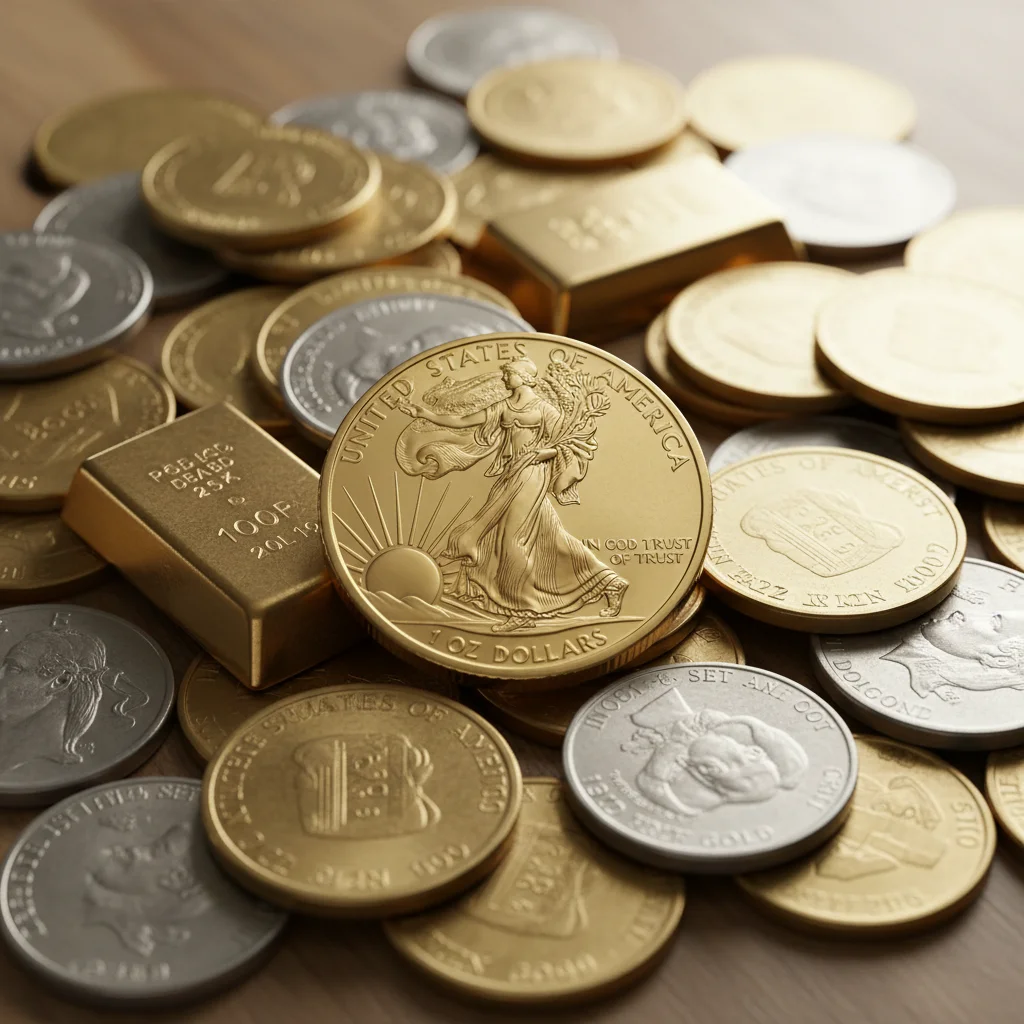
This is perhaps the most traditional method, involving direct ownership of gold, silver, platinum, or palladium in the form of coins, bars, or bullion.
- Pros: Tangible asset, complete control, no counterparty risk (if stored securely).
- Cons: Storage costs (safe deposit box, home safe), insurance expenses, potential for theft, liquidity can be an issue when selling large quantities, authenticity verification needed.
- Example: Julie could purchase a 1-ounce gold American Eagle coin from a reputable dealer and store it in a bank's safe deposit box.
Precious Metals ETFs and Mutual Funds
These financial products allow you to invest in precious metals without the hassle of physical storage. Exchange-Traded Funds (ETFs) and mutual funds track the price of a specific metal or a basket of metals, or invest in companies involved in mining and production.
- Pros: High liquidity, easy to buy and sell through a brokerage account, no storage or insurance costs, diversification (in the case of mining ETFs/funds).
- Cons: You don't own the physical metal, management fees (expense ratios), performance is tied to the fund's management and underlying assets, potential for tracking error.
- Example: Julie could invest in an ETF like GLD (SPDR Gold Shares) to gain exposure to gold prices, or a mining ETF like GDX (VanEck Gold Miners ETF) for exposure to gold mining companies.
Futures Contracts
Futures contracts are agreements to buy or sell a specific quantity of a commodity (like gold) at a predetermined price on a future date.
- Pros: High leverage potential, can profit from both rising and falling prices, good for short-term speculation.
- Cons: Very high risk due to leverage, requires significant market knowledge, not suitable for most long-term investors or those seeking wealth preservation.
- Example: A sophisticated investor might use gold futures to speculate on short-term price movements, but this is generally not recommended for someone like Julie focused on long-term stability.
Precious Metals IRAs
For retirement planning, a Precious Metals IRA allows you to hold physical gold, silver, platinum, or palladium bullion within a self-directed Individual Retirement Account. These are often referred to as Gold IRAs.
- Pros: Tax-advantaged growth (tax-deferred or tax-free depending on IRA type), physical ownership for retirement, diversification within a retirement portfolio.
- Cons: Requires a self-directed IRA custodian, specific types of bullion are allowed (IRS-approved purity), storage fees, potentially higher administrative costs than traditional IRAs.
- Example: Julie could roll over a portion of an existing IRA into a self-directed Precious Metals IRA, allowing her to hold physical gold coins as part of her retirement savings. This option offers a unique blend of physical asset ownership with tax benefits. For more information on setting up such an account, consider exploring resources on gold IRA companies.
Integrating Precious Metals into Your Portfolio
Deciding how much of your portfolio to allocate to precious metals depends on your individual financial situation, risk tolerance, and investment goals. Financial advisors often suggest a modest allocation, typically between 5% and 15% of a total portfolio, for diversification purposes. This allows you to benefit from their potential as a hedge without over-exposing yourself to their unique volatility.
Consider Julie's situation: with $120,000 in savings, she might consider allocating $6,000 to $18,000 (5-15%) to precious metals. This could be achieved through a combination of physical bullion for tangible security and an ETF for liquidity and ease of management. It's crucial to remember that precious metals do not typically generate income (like dividends from stocks or interest from bonds), so they are primarily held for capital appreciation and portfolio protection. Regular rebalancing of your portfolio is also important to maintain your desired allocation as market values fluctuate. Speaking with a qualified financial advisor can help you determine the optimal allocation for your specific circumstances. For further reading on portfolio diversification, check out our article on building a resilient portfolio.
Frequently Asked Questions
What are the main types of precious metals for investing?
The main types of precious metals for investing are gold, silver, platinum, and palladium. Each has unique market dynamics, industrial uses, and price volatility, making them suitable for different investment objectives.
Are precious metals a good investment for inflation?
Yes, precious metals, particularly gold, are often considered a good hedge against inflation. Historically, their value tends to rise when the purchasing power of fiat currencies declines, helping investors preserve wealth during inflationary periods.
How do I buy physical gold or silver?
You can buy physical gold or silver from reputable coin dealers, precious metals brokers, or online retailers. Ensure the dealer is well-established and transparent about pricing, and always verify the authenticity of the metals purchased.
What is a Gold IRA?
A Gold IRA is a self-directed Individual Retirement Account that allows investors to hold physical gold, silver, platinum, or palladium bullion as an investment within a tax-advantaged retirement structure. It requires a specialized custodian for storage.
What are the risks of investing in precious metals?
Risks include price volatility, storage and insurance costs for physical metals, lack of income generation, and potential for fraud if dealing with disreputable sellers. ETFs and funds also carry management fees and market risk.
Key Takeaways
Diversification: Precious metals can act as a hedge against inflation and market volatility, offering diversification benefits to a balanced portfolio.
Investment Avenues: Options range from physical ownership (coins, bars) to financial instruments like ETFs, mutual funds, futures contracts, and Precious Metals IRAs.
Allocation: Financial advisors typically recommend a modest allocation of 5-15% of a portfolio to precious metals, depending on individual goals and risk tolerance.
No Income: Unlike stocks or bonds, precious metals do not generate dividends or interest, making them primarily capital appreciation assets.
Research is Key: Thoroughly research dealers, custodians, and investment vehicles, and consider consulting a financial advisor before investing.
Conclusion
Investing in precious metals offers a compelling avenue for diversifying a portfolio and potentially safeguarding wealth against economic uncertainties. Whether through the tangible security of physical bullion, the convenience of ETFs, or the tax advantages of a Precious Metals IRA, these assets can play a valuable role in a well-rounded financial strategy. For investors like Julie, who are looking to protect their hard-earned savings and build a resilient future, understanding the nuances of precious metals investing is essential. By carefully considering the various options and aligning them with her financial goals, Julie can confidently incorporate precious metals into her portfolio, ensuring her financial foundation remains strong as she plans for her family and future. The journey begins with education and a clear understanding of how these timeless assets can work for you.
Disclaimer: This article is for informational and educational purposes only and does not constitute financial, investment, or tax advice. Always consult a qualified financial advisor before making investment decisions.
The information provided in this article is for educational purposes only and does not constitute financial, investment, or legal advice. Always consult with a qualified financial advisor, tax professional, or legal counsel for personalized guidance tailored to your specific situation before making any financial decisions.
Comments
No comments yet. Be the first to comment!
More from Investing



Explore Related Guides
Expert reviews of Gold IRA companies, rollover guides, fees, and IRS rules.
Compare banking products, interest rates, and strategies to maximize your savings.
Master budgeting, debt management, taxes, and financial planning for your situation.